 Go Back

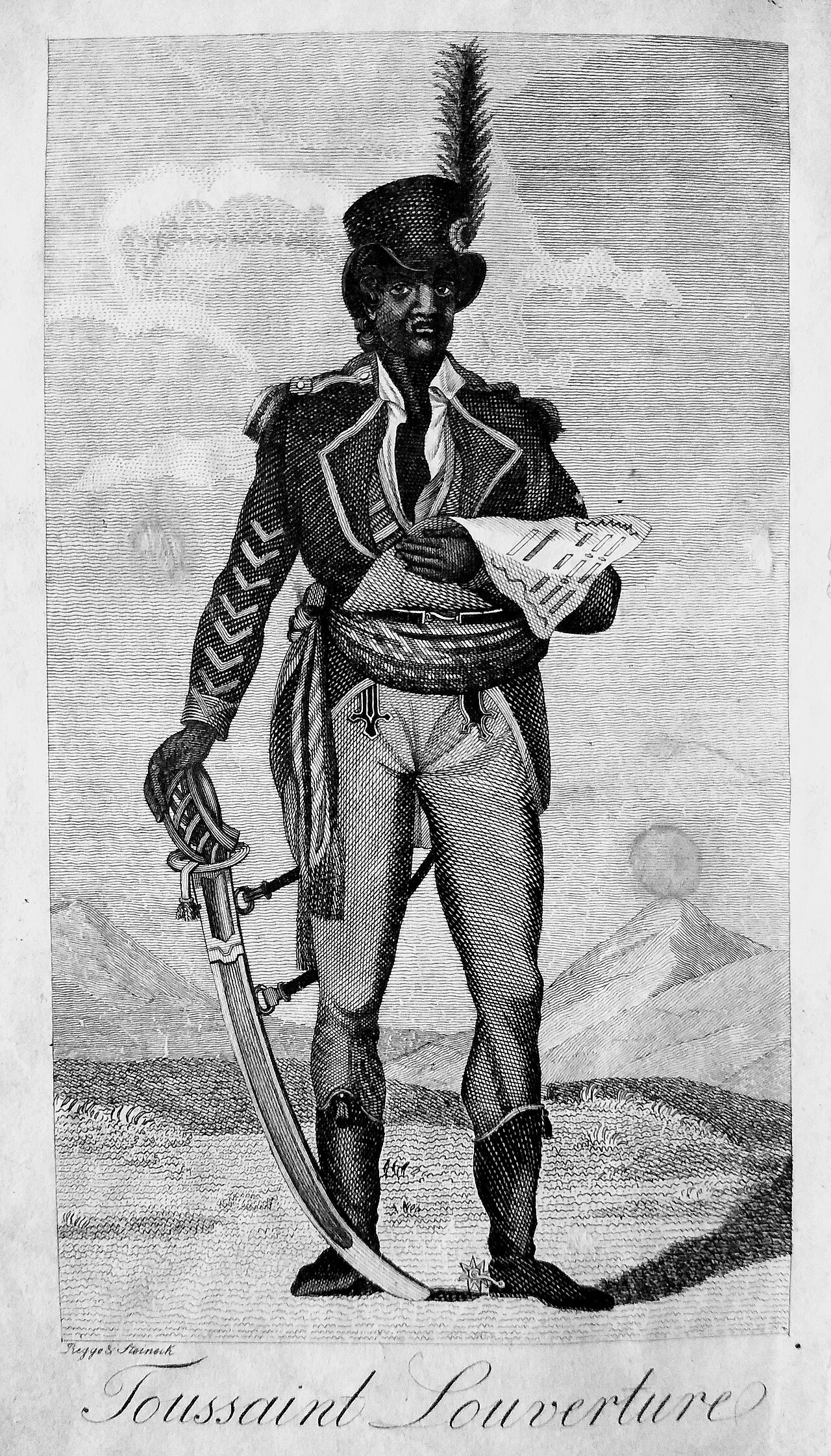
The Haitian Revolution. The Haitian Revolution was a successful anti-slavery and anti-colonial insurrection that took place in the French colony of Saint-Domingue from 1791 to 1804. Spearheaded by self-liberated enslaved people and led by remarkable leaders like Toussaint Louverture and Jean-Jacques Dessalines, it is historically monumental as the only slave revolt in human history that directly led to the founding of an independent state. This revolution shattered the myth of European racial superiority and deeply terrified slaveholding regimes across the Western Hemisphere.
Saint-Domingue was France's most profitable colony, generating immense wealth through brutal sugar and coffee plantation labor. Inspired by the ideals of the French Revolution, enslaved workers launched a coordinated uprising that defeated French, British, and Spanish armies sent to suppress them. In 1804, the nation proclaimed its independence as Haiti. However, crippling economic indemnities forced upon it by France and long-term diplomatic isolation severely constrained the young republic's economic development for generations.