 Go Back

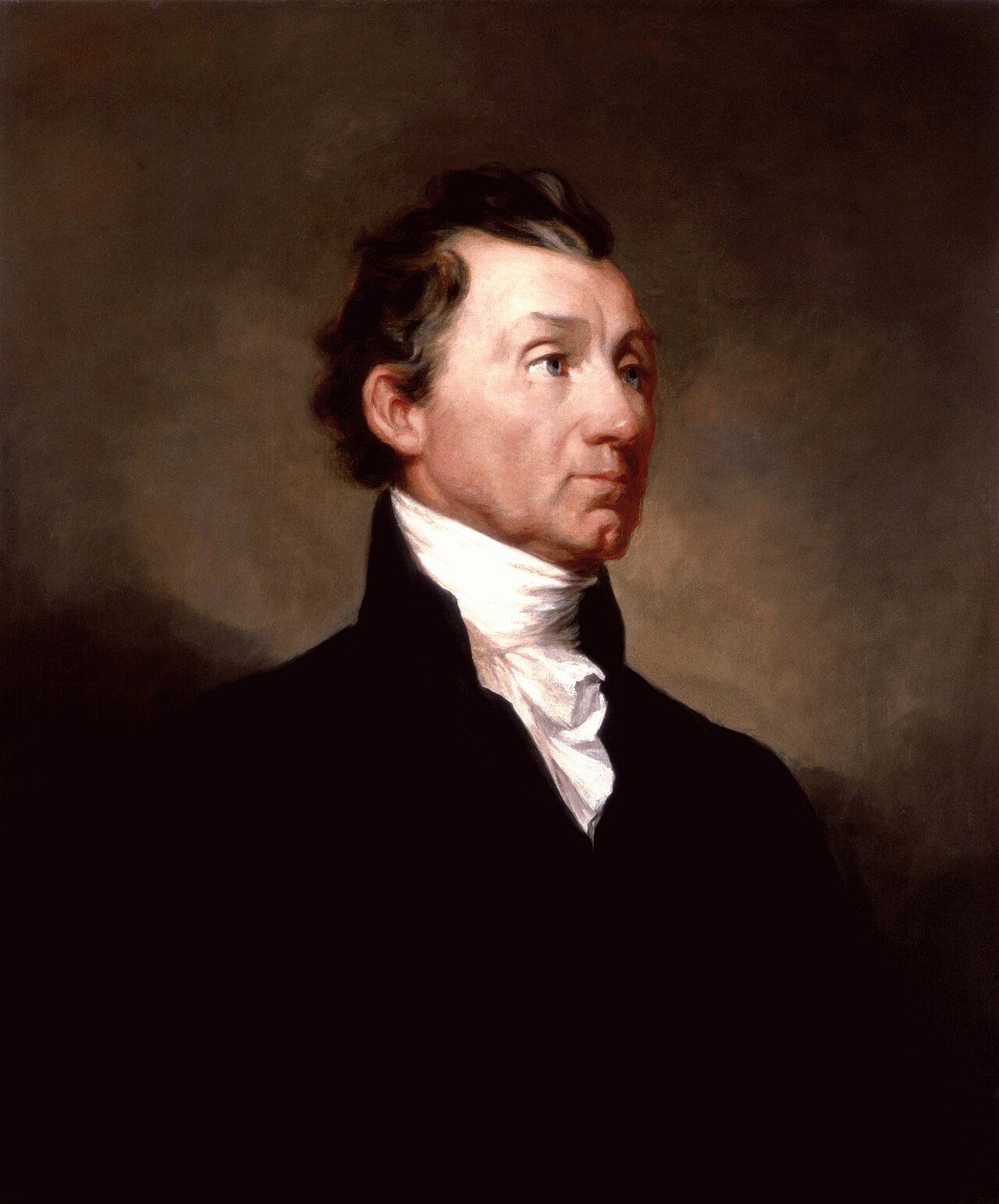
In December 1823, President James Monroe used his annual message to Congress to set out principles for relations between Europe and the Americas. Spanish American independence movements had created new states, and American officials feared attempts by European powers to restore colonial rule. Russian claims in the northwest added another concern. The statement later called the Monroe Doctrine sought to protect American interests by warning against new colonization and intervention in the hemisphere.
Secretary of State John Quincy Adams played a central part in shaping the policy. Britain had proposed a joint declaration, partly because it wanted access to Latin American trade without renewed Spanish restrictions. Adams preferred an independent American statement. Cooperation with Britain might restrict future American choices, while British objectives were not the same as those of the United States. The resulting message reflected a desire to avoid dependence on a European partner as well as opposition to European expansion.
Monroe distinguished between existing European colonies and newly independent states. The United States promised not to interfere in European wars or internal affairs, and did not demand the immediate end of every European possession in the Americas. It warned instead that further colonization and efforts to impose European political control on independent American states would be regarded as hostile. The declaration did not give the United States the military capacity to enforce all these claims, and European governments initially paid it limited attention.
The doctrine became more influential as American power grew. Later leaders interpreted it in ways that went beyond Monroe's original circumstances. By 1904, Theodore Roosevelt's corollary claimed a role for American intervention in the affairs of other states in the hemisphere. This development exposed a tension between opposing European interference and asserting American predominance. Through 1924, the doctrine's history was therefore one of changing uses, not a fixed promise of equal sovereignty. Its origins explain early republican diplomacy, while its later interpretations show how a defensive warning could support an expanding regional role. The policy was a presidential declaration rather than a treaty agreed with the Latin American states whose future it claimed to address.
 Office of the Historian: Monroe Doctrine
 Britannica: Monroe Doctrine