 Go Back

At the start of the twentieth century, cheap national magazines with huge circulations discovered that readers would buy carefully documented stories of corruption. The writers who produced them, among them Lincoln Steffens on city machines, Ida Tarbell on the Standard Oil Company, and Ida B. Wells on lynching, became known as the muckrakers. The name was an insult first: President Theodore Roosevelt applied it in 1906, borrowing a figure from The Pilgrim's Progress, to writers he thought saw only filth. The journalists wore the label with pride.
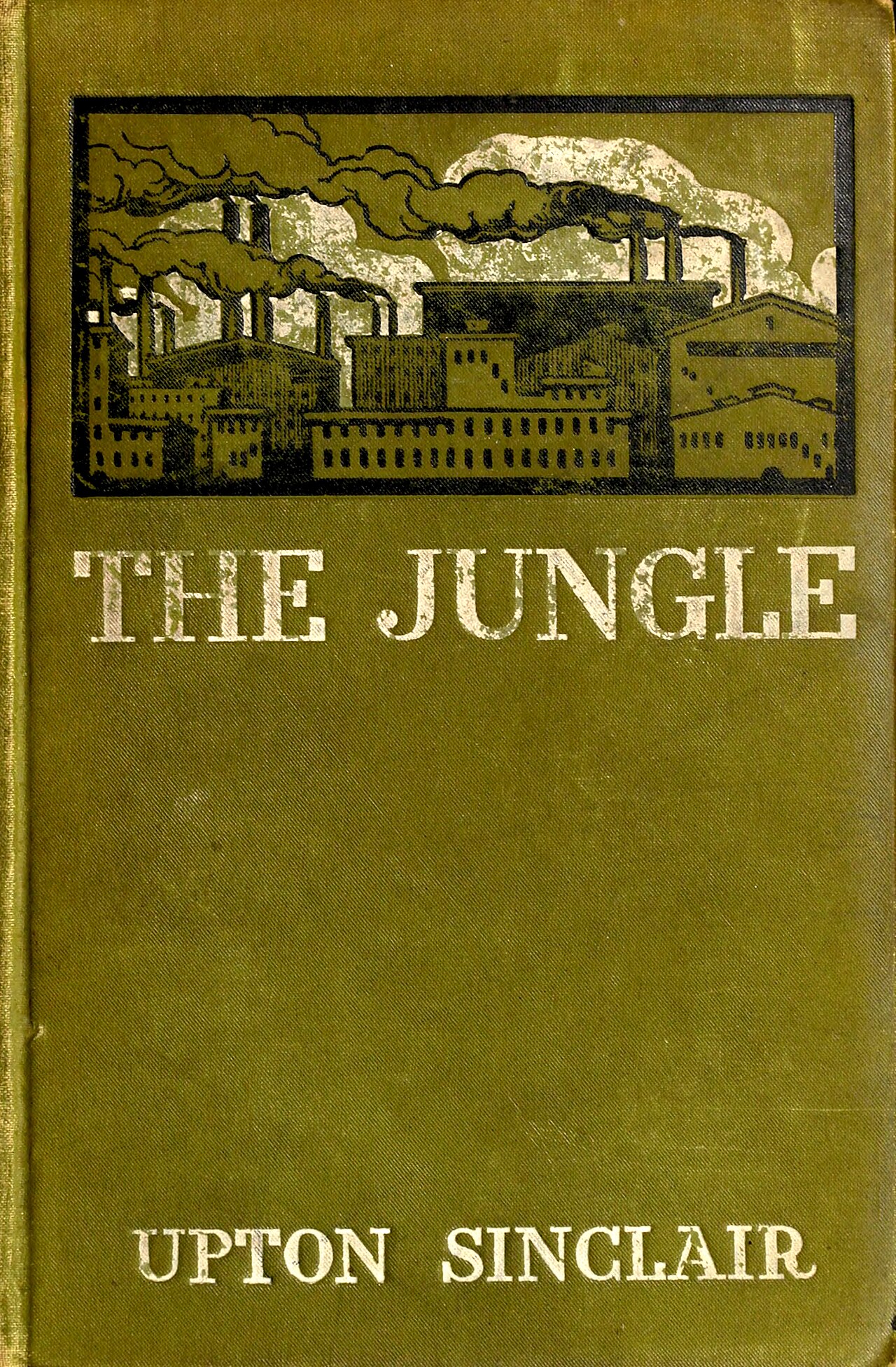
The most famous muckraking book began as a novel. Upton Sinclair, a 26-year-old socialist, went undercover for seven weeks in Chicago's stockyards to study the lives of immigrant workers. The Jungle, serialized in 1905 and published in 1906, followed the Lithuanian immigrant Jurgis Rudkus through the horrors of Packingtown, but what gripped readers were its scenes of spoiled meat, filthy packing rooms, and diseased animals turned into sausage. Sinclair later sighed that he aimed at the public's heart and hit it in the stomach.
The public's stomach answered. Roosevelt ordered an investigation that confirmed Sinclair's account, and in 1906 Congress passed the Meat Inspection Act and the Pure Food and Drug Act, the first great federal consumer protection laws. The Pure Food and Drug Act outlawed the interstate sale of adulterated or mislabeled food and medicine, attacking an era when patent medicines laced with alcohol and narcotics were sold as cures, and laid the foundation for the Food and Drug Administration.
Muckraking established the press as a permanent watchdog over American business and government. Its investigations fed the reform laws of the Progressive Era and helped prepare the constitutional amendments of the period. Though the great magazines faded during World War I, the tradition the muckrakers founded, of slow, documented exposure in the public interest, remained one of the most powerful forces in American life through 1924.
 Britannica: Muckraker
Britannica: The Jungle
Britannica: Upton Sinclair