 Go Back

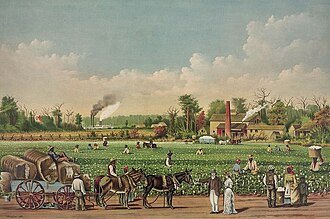
The New South and the Sharecropping System. The South that emerged from Reconstruction preached a gospel of progress: Henry Grady of the Atlanta Constitution called it the New South - a region of mills, railroads and cities, risen from the war's ashes to out-Yankee the Yankee. There was substance in the boast: cotton mills multiplied across the Piedmont, Birmingham rose on iron and coal to become the Pittsburgh of the South, the cigarette factories of Durham and the railroad web transformed the old plantation landscape. But the New South was built on the cheap labor of the poor of both races, and its prosperity left the countryside - where most Southerners still lived - trapped in poverty.
The trap had a mechanism: sharecropping. The freedpeople had no land, the planters no cash, the merchants no banks. The solution was the crop: the landowner furnished land, cabin and seed; the cropper furnished the year's labor; at harvest they split the crop - and the cropper, having lived all year on credit from the furnishing merchant at ruinous interest, usually owed his share before he got it. Year after year the ledger came out against him: debt, renewed credit, another year of debt. The crop-lien system made a new servitude out of freedom - for Black farmers first, but by the 1880s for hundreds of thousands of poor whites as well, as the cotton South's independent yeomen lost their land.
The system's economics were a treadmill: cotton, the only cash crop the merchant would advance against, mined the soil, glutted the market and kept the region monocropped and poor; the South's per capita income fell ever further behind the North's. The Colored Farmers' Alliance and the Populist revolt of the 1890s were, at bottom, the rebellion of the crop-lien South against the furnishing merchant and the railroad.
Sharecropping fixed the social order the civil rights movement would one day challenge: landless, indebted, voteless rural poverty for the Black South. It endured - declining only when the boll weevil, the Great Migration and the tractor finally broke the cotton kingdom in the twentieth century, sending the grandchildren of the croppers north to Chicago and Detroit.
 Britannica: Sharecropping
Britannica: Henry W. Grady
Britannica: Populist Movement