 Go Back

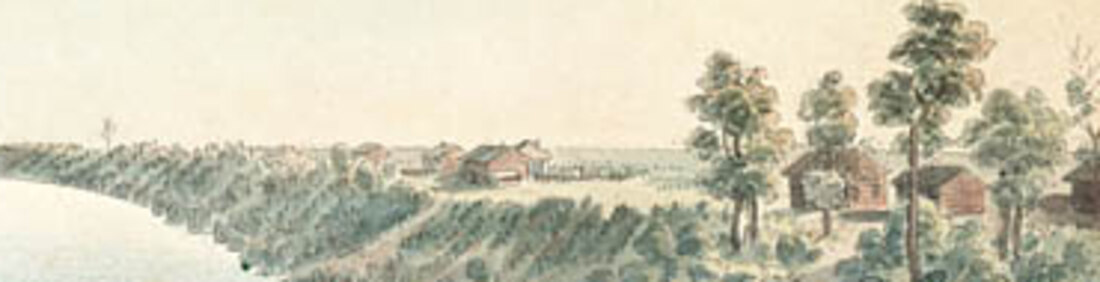
Between 1871 and 1921 the Crown concluded eleven agreements with First Nations across northern and western Canada, known from their numbering as the Numbered Treaties. The process began as soon as Canada acquired Rupert's Land: before the prairies could be surveyed, settled, and crossed by the promised railway, the government needed to extinguish Indigenous title under the framework of the Royal Proclamation of 1763. Treaties 1 and 2 were made in Manitoba in 1871, Treaty 3 at the North-West Angle of the Lake of the Woods in 1873, Treaty 4 at Fort Qu'Appelle in 1874, Treaties 5 and 6 across the Saskatchewan country in 1875-76, and Treaty 7 with the Blackfoot Confederacy at Blackfoot Crossing in 1877; Treaties 8 to 11, from 1899 to 1921, extended the system into the northern forests and the Mackenzie valley.
The written texts followed a pattern: First Nations 'ceded, released and surrendered' vast territories in return for reserve lands, small annual payments, ammunition and twine, farming tools and seed, and schooling when desired; Treaty 6 added a medicine chest and a promise of famine relief. But the treaties were made between two worlds. First Nations leaders negotiated through interpreters, sealed the agreements with sacred ceremonies, and understood them as covenants of peace and shared land - an ongoing relationship with the Queen - while the Crown's lawyers understood a permanent, one-time surrender of territory. Much of what commissioners such as Alexander Morris promised orally never reached the written page.
The hard years came fast. The buffalo, the foundation of plains life, were gone by the early 1880s, and Ottawa exploited the hunger that followed, withholding food to push holdout bands into treaty and onto reserves - a policy even some of its own officials called cruel. Big Bear held out against Treaty 6 until 1882, the last major plains chief to sign. After the 1885 resistance, which some treaty bands joined, the government imposed controls found nowhere in the treaties: a pass system restricting movement off reserves, cuts to rations and tools, and a 'peasant farming' policy that kept reserve agriculture small. Leaders like Poundmaker were imprisoned and humiliated, and promised famine aid arrived late or never.
Through 1921 the treaty map was completed northward, and by the early 1920s nearly all First Nations of the west lived under their terms. For the settler state the treaties had cleared the way for the railway, the wheat boom, and the provinces carved from the territories; for First Nations they had brought reserves, disease, and control, but also a set of solemn promises they never abandoned. Treaty days, when the annual payments were distributed, became occasions to renew that relationship and to press, year after year, for the Crown to keep its word.
 The Canadian Encyclopedia: Numbered Treaties
 Britannica: Numbered Treaties