 Go Back

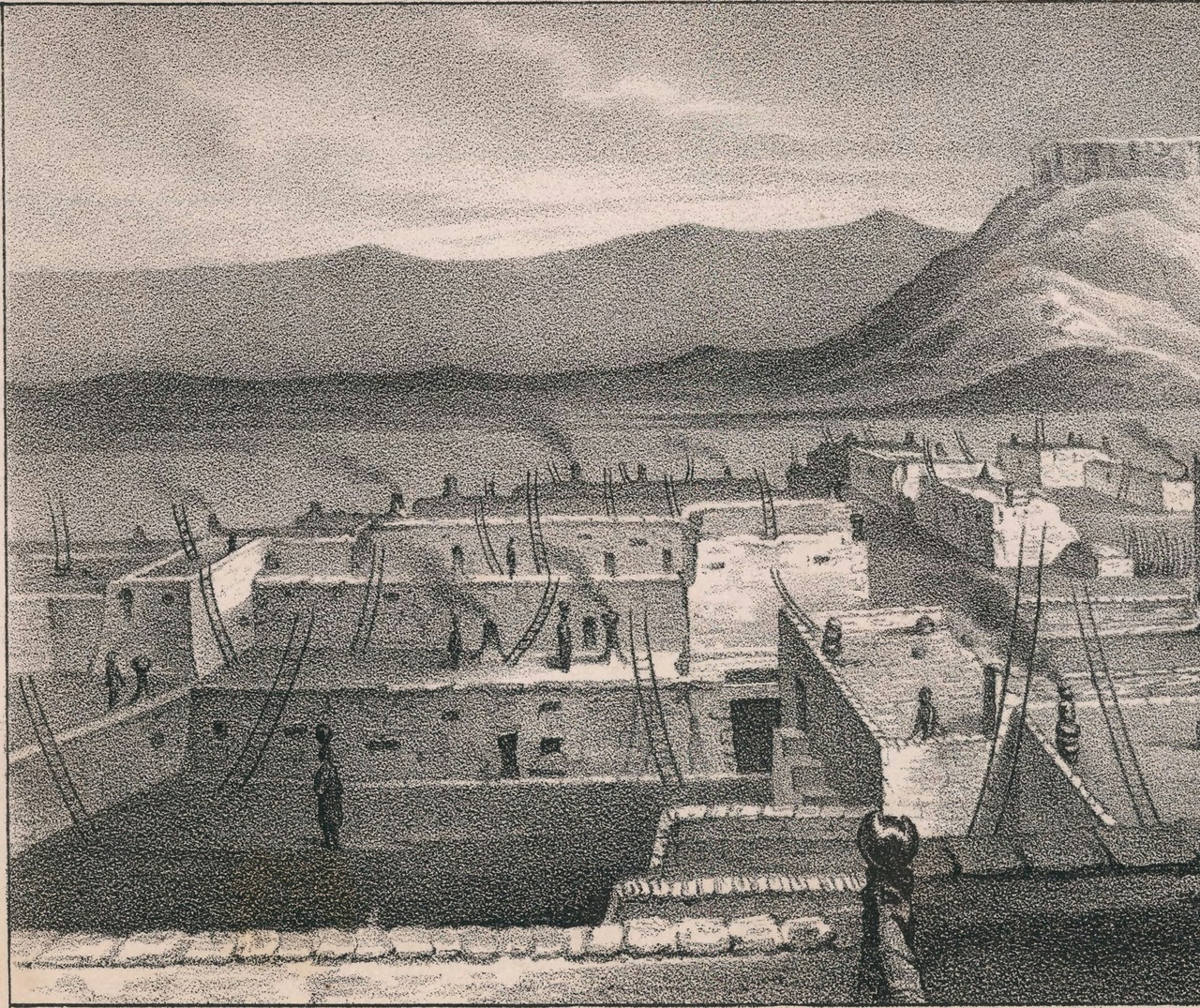
In August 1680, the Pueblo peoples of New Mexico carried out the most successful Indigenous uprising in North American colonial history. Spain had ruled the region for eighty years: Franciscan missions demanded conversion and suppressed the katsina religion, while soldiers and settlers seized land, food and labor under the encomienda system. Pueblo communities endured drought, Apache raids and epidemics, and when authorities hanged accused 'sorcerers' and publicly whipped dozens of religious leaders in 1675, among them a Tewa man from San Juan named Po'pay, resistance hardened into a plan.
Po'pay and other leaders organized a coordinated rising across dozens of scattered pueblos speaking six different languages. Runners carried knotted cords marking the days until the attack, and despite Spanish efforts to intercept them, on August 10, 1680, warriors struck missions and farms almost simultaneously, killing some 400 colonists and 21 friars. Survivors fled to the fortified capital of Santa Fe, which the Pueblos besieged until Governor Antonio de Otermin and about two thousand refugees abandoned the province, marching south down the Rio Grande to El Paso.
For twelve years, New Mexico was again governed by its own peoples. The victors destroyed churches, baptized away Christian names, and revived suppressed ceremonies. Po'pay's attempt to restore a pre-conquest order proved harder to sustain than the revolt itself: drought returned, Apache and Ute raiding pressed the weakened pueblos, and old rivalries resurfaced, fragmenting the alliance he had built. Spanish exiles in El Paso never abandoned hope of return.
In 1692 Diego de Vargas led a bloodless reentry, and over four years Spain reconquered the province, this time on new terms. Chastened officials curbed the encomienda, tolerated more Pueblo religious life, and treated the pueblos as negotiating partners rather than subjects to be crushed. The revolt's deepest legacy is that it worked: it preserved Pueblo languages, lands and religion. The pueblos carried their self-government forward under the settlement that followed, and the memory of 1680 endured as standing proof that empire in the Southwest ruled only by Pueblo consent.
 Britannica: Pueblo Rebellion
 National Park Service: The Road to Revolt
 Texas State Historical Association: Tigua Indians