 Go Back

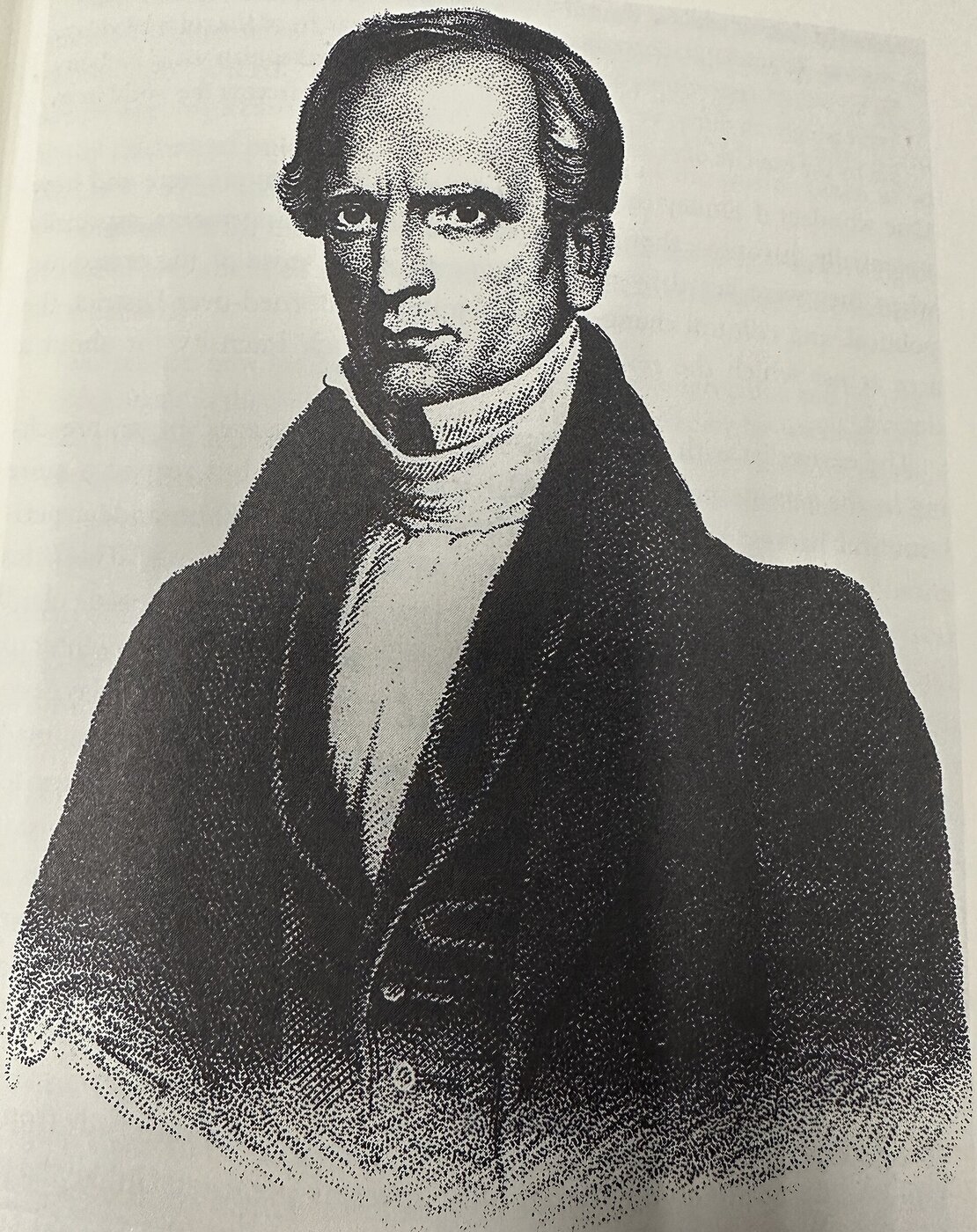
Between the 1790s and the 1840s, a wave of religious revival swept the United States, reshaping both American Christianity and American society. The revival began on the frontier, where camp meetings drew thousands of settlers to days of preaching and emotional conversion, most famously at Cane Ridge, Kentucky, in 1801. In the booming towns along the Erie Canal, a region so scorched by revival fires it was called the Burned-Over District, the preacher Charles Grandison Finney perfected new methods: nightly meetings, direct appeals to converts, and an anxious bench where seekers were urged to decide for salvation. The revivals taught that individuals could choose to be saved and that society itself could be perfected.
The social consequences were enormous. Baptist and Methodist churches, with their plain preaching and lay leadership, grew explosively, and evangelical Protestants built a network of voluntary societies to distribute Bibles and tracts, fund missionaries, and promote Sunday schools. The revivals also produced new movements, including the Millerites, who expected the end of the world in 1844, and the Church of Jesus Christ of Latter-day Saints, founded by Joseph Smith in 1830 in the Burned-Over District. Women, who formed the majority of converts, carried revival ideals into organized benevolence, giving many their first public roles outside the home.
The belief that society could be perfected powered a broad reform movement. The temperance crusade against alcohol drew hundreds of thousands of pledges through groups like the American Temperance Society, founded in 1826. Horace Mann campaigned for tax-supported common schools in Massachusetts, while Dorothea Dix exposed the miserable treatment of the insane in jails and poorhouses and pressed states to build asylums. Reformers reorganized prisons, campaigned against dueling and lotteries, and founded utopian communities, from the celibate Shaker villages to the transcendentalist experiment at Brook Farm, that tried to model a better world in miniature.
The reform era's deepest legacy was its fusion of moral energy with political action. Abolitionism and the early women's rights movement, each covered in depth on their own pages, grew directly out of revival networks and reform societies. Temperance agitation continued for generations and finally achieved national Prohibition in 1920. Although the great revivals faded after mid-century, the Second Great Awakening left behind a distinctly American pattern: voluntary associations, moral crusades, and the conviction that institutions could be remade by organized public effort.
 Britannica: Second Great Awakening
Britannica: Camp Meeting
Britannica: Charles Grandison Finney