 Go Back

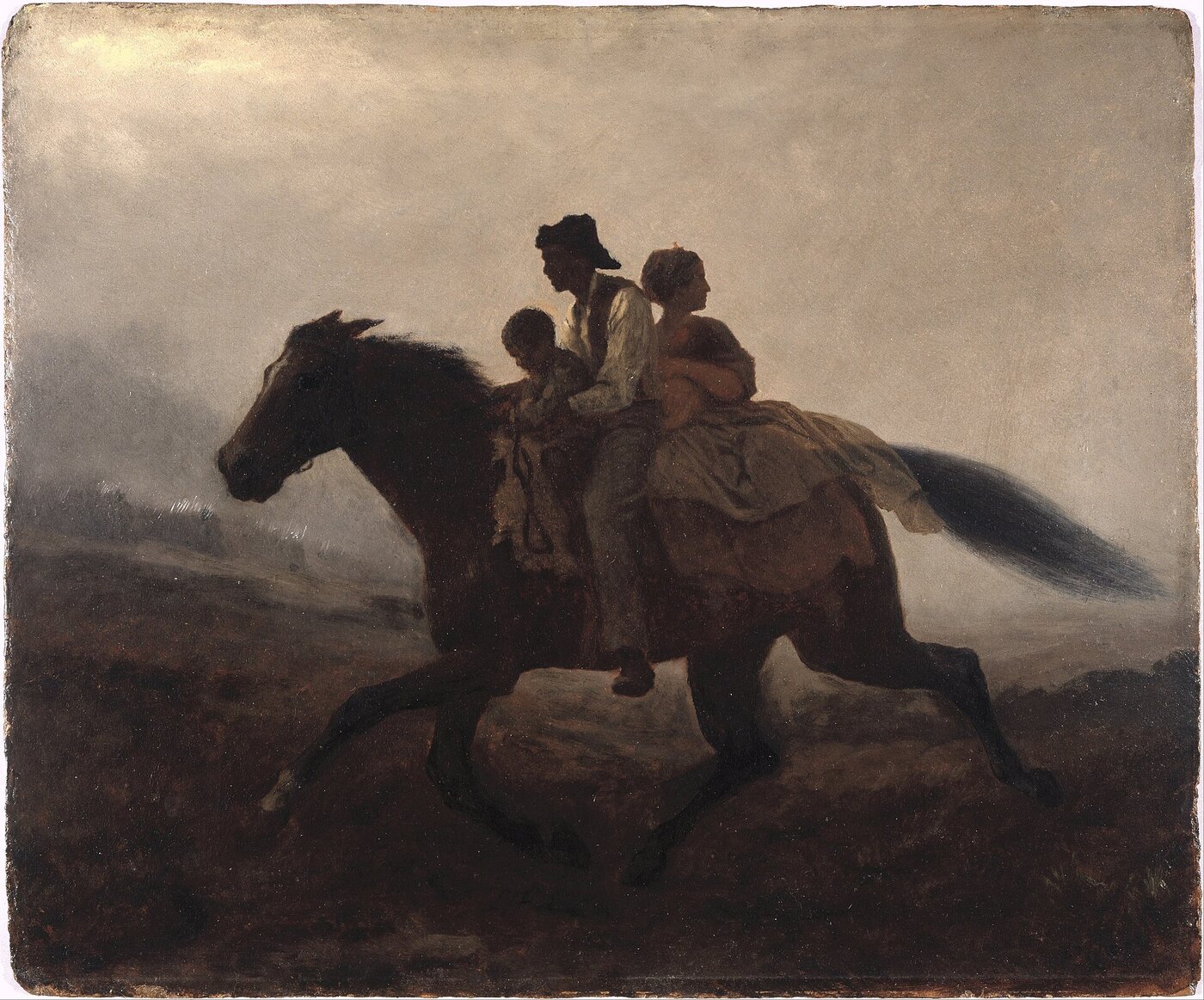
The Underground Railroad was not a railroad and was never underground: it was a loose, secret network of Black and white Americans who helped enslaved people escape to freedom. Escape was as old as slavery itself, but by the 1830s an organized system of routes, safe houses called stations, and guides known as conductors stretched from the slave states to the northern free states and across the border into Canada, where slavery had been abolished. No central organization ran it; local networks, often anchored in Black communities and Quaker settlements, acted on their own initiative at great personal risk.
Federal law stood against them. The Fugitive Slave Act of 1793 authorized owners to seize escaped people in free states, and the far harsher Fugitive Slave Act of 1850, part of the Compromise of 1850, created special commissioners, denied accused fugitives a jury trial or the right to testify, and punished anyone who helped them. Free Black northerners were kidnapped into slavery under its provisions, and northern states answered with personal liberty laws that obstructed slave catchers. The 1850 law made every northern community a potential hunting ground and pushed the escape line all the way to Canada.
The network's most famous conductor, Harriet Tubman, escaped slavery in Maryland in 1849 and returned south some thirteen times to lead out roughly seventy people, including her own family, without losing a single passenger. Levi and Catharine Coffin in Indiana sheltered more than two thousand fugitives over two decades. Vigilance committees in Philadelphia and other cities, led largely by Black activists such as William Still, coordinated arrivals, raised money, and recorded the stories of those who passed through. Freedom seekers also fled to Spanish Florida, to Mexico, and to the Caribbean, following whatever route led out of bondage.
Estimates vary, but tens of thousands of enslaved people escaped between 1830 and 1860, each departure a small act of war against the slave system. The 1850 law's cruelties radicalized northern opinion; Harriet Beecher Stowe's novel Uncle Tom's Cabin (1852), written in its shadow, sold hundreds of thousands of copies. The network's collaborators carried their experience into the abolitionist movement and wartime service. The Underground Railroad's history, recovered by scholars and preserved at sites now administered by the National Park Service, remains a testament to organized resistance by ordinary people against an unjust law.
 Britannica: Underground Railroad
 National Park Service: The Underground Railroad
Britannica: Fugitive Slave Acts