 Go Back

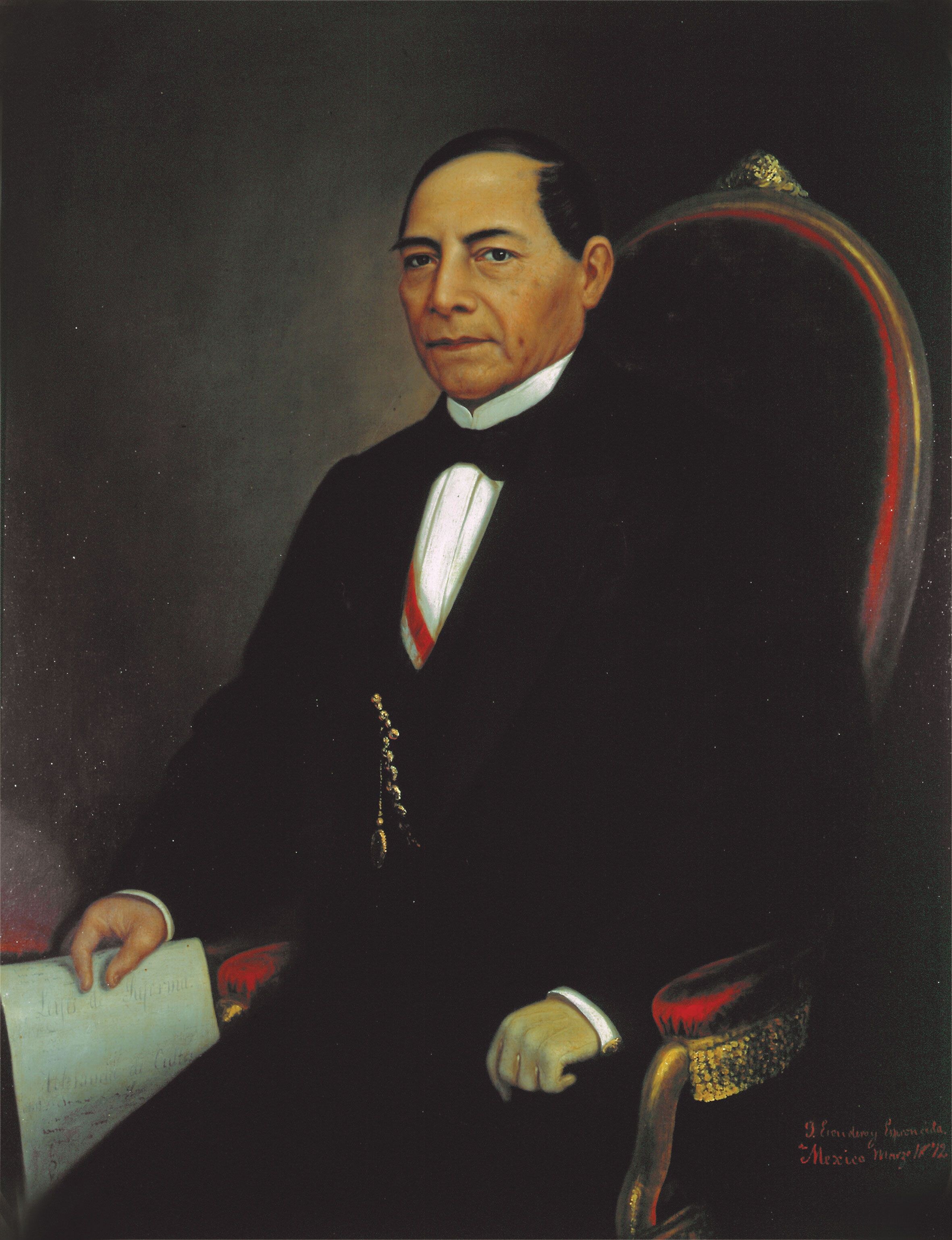
In the 1850s Mexico's exhausted politics split into two irreconcilable camps. Liberals, inspired by the generation that came of age after the disasters of the Texas revolt and the American war, blamed the country's weakness on the privileged corporations of colonial society: the army, with its own courts, and the Catholic Church, which held perhaps half of all productive property and its own legal jurisdiction. Conservatives defended church, army, and tradition as the only bonds holding Mexico together. When a liberal revolution in 1854, the Revolution of Ayutla, overthrew the dictator Santa Anna, the new generation led by Benito Juárez, a Zapotec lawyer from Oaxaca who had risen from poverty, set out to remake the country.
The reform came in laws: the Ley Juárez of 1855 abolished the special courts of the military and clergy; the Ley Lerdo of 1856 ordered the sale of corporate lands, above all the church's rural estates; and the liberal Constitution of 1857 enshrined individual rights, secular authority, and federalism. The church excommunicated its defenders and conservatives rose in arms. In January 1858 the War of the Reform began, with two rival governments: the constitutional liberals under Juárez, who became president by constitutional succession, holding out at Veracruz, and the conservatives occupying Mexico City.
The war devastated Mexico for three years. Juárez's government survived on Veracruz's customs revenue while its generals gradually mastered the battlefield, and the liberals answered conservative atrocities with radical decrees: in 1859 the Laws of Reform proclaimed from Veracruz nationalized all church property without compensation, suppressed the male religious orders, established civil marriage and civil registries, and separated church and state. On 22 December 1860 the liberal army won the decisive battle of Calpulalpan, and on New Year's Day 1861 Juárez entered Mexico City in triumph.
Victory left Mexico ruined and divided, and its debts gave Europe a pretext to intervene: within a year French troops landed, beginning the adventure of Maximilian's empire. But the Reform endured. Juárez's laws broke the economic power of the colonial church, created a class of property holders from its former estates, and made the liberal Constitution the standard around which Mexico rallied through the French intervention and beyond. For Mexicans, Juárez, the Indigenous president who never learned Spanish until his teens, became the embodiment of the nation's republican dignity: 'among individuals as among nations, respect for the rights of others is peace.'
 Britannica: War of the Reform
Britannica: Benito Juárez