 Go Back

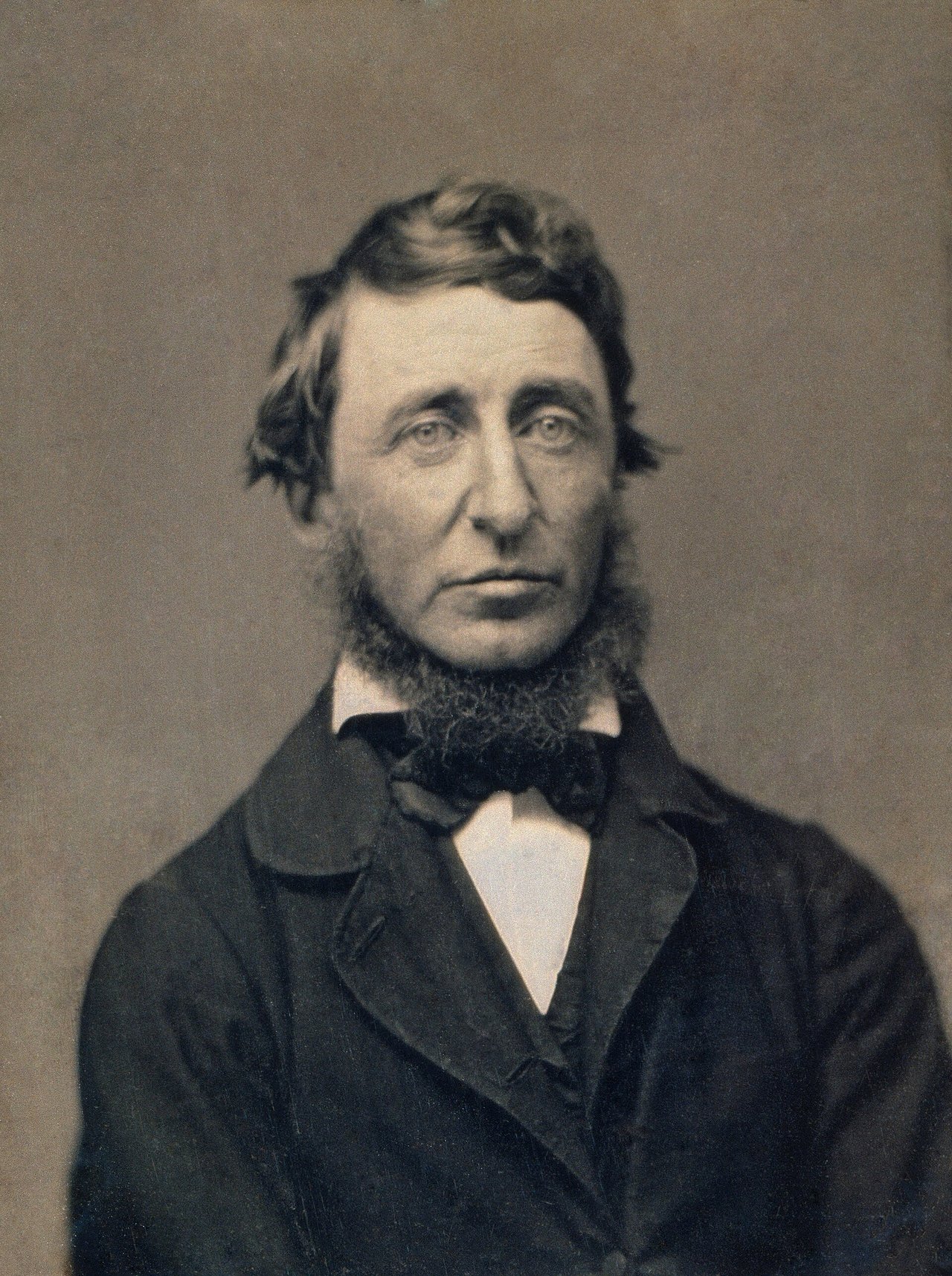
Transcendentalism and the American Literary Renaissance. In the 1830s, around Boston and the village of Concord, a loose circle of ex-ministers, teachers and writers made the first American declaration of intellectual independence. Ralph Waldo Emerson, who had left his pulpit to become the prophet of self-reliance, gave the movement its manifestos: Nature in 1836, and 'The American Scholar' in 1837 - 'our day of dependence, our long apprenticeship to the learning of other lands, draws to a close.' Oliver Wendell Holmes called that speech America's intellectual declaration of independence.
The Transcendentalists believed that truth was to be found not in tradition or scripture but in the intuition of the individual soul, closest to God in unmediated nature. They edited The Dial, lectured on the lyceum circuit, experimented in plain living and high thinking - and produced an astonishing generation. Henry David Thoreau, Emerson's neighbor, went to Walden Pond in 1845 'to live deliberately' and wrote Walden, the scripture of American simplicity; his night in the Concord jail for refusing a war tax produced 'Civil Disobedience,' the essay that would arm Tolstoy, Gandhi and King.
Around the circle's orbit flourished the whole American renaissance: Margaret Fuller, editor of The Dial and author of Woman in the Nineteenth Century, the founding text of American feminism; the utopian community of Brook Farm; and beyond Concord, in those same years, the great dark romantics - Hawthorne and Melville, Poe and Whitman, and the unseen Emily Dickinson - made the 1850s the most astonishing decade in American letters: The Scarlet Letter, Moby-Dick, Leaves of Grass within five years.
Transcendentalism set the permanent themes of American culture: the individual against the institution, nature against the machine, the moral intuition against the received doctrine - and the conviction that a plain American life could be a fit subject for the highest art. Every later American movement of conscience and dissent, from abolition to environmentalism to civil rights, drinks from Walden Pond.
 Britannica: Transcendentalism
Britannica: Ralph Waldo Emerson
Britannica: Henry David Thoreau