 Go Back

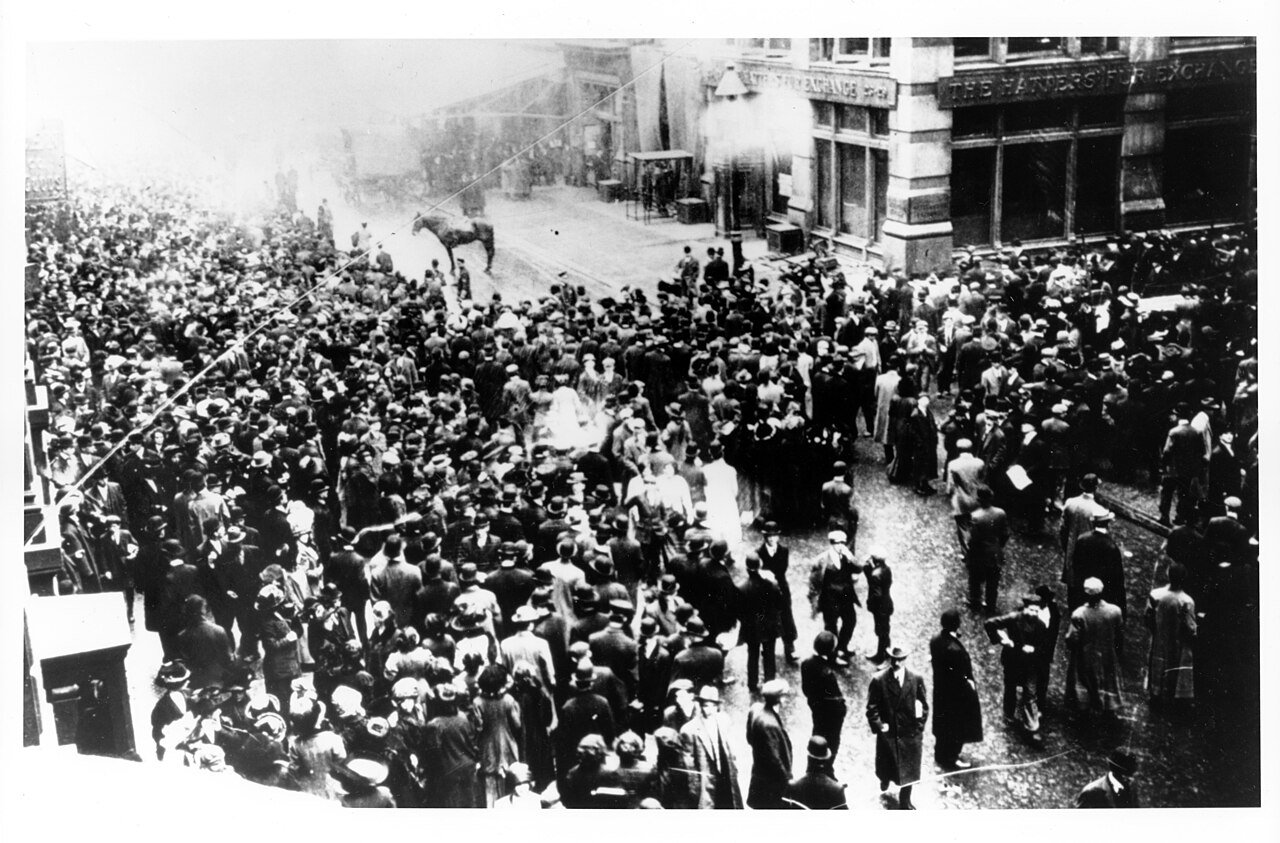
The Triangle Shirtwaist Fire. On Saturday afternoon, 25 March 1911, as the five hundred workers of the Triangle Waist Company - most of them immigrant girls, the youngest fourteen - were preparing to leave the top three floors of the Asch Building off Washington Square in New York, fire broke out in a bin of cotton scraps on the eighth floor. In minutes the floor was an inferno. The workers on the ninth floor found one door locked - the owners locked the exits against theft - and the other opening inward against the crush; the fire escape collapsed under the crowd; the elevators ran until the bodies falling down the shafts jammed them.
The fire ladders of the New York Fire Department reached only the sixth floor. The girls at the windows faced the flames behind and the pavement nine stories below, and they began to jump - sixty-two of them, holding hands, in pairs, hair and skirts on fire - while the crowds of Washington Square watched, unable to do anything but watch. In eighteen minutes 146 people were dead, 123 of them women and girls, the worst workplace disaster in New York's history.
The owners were tried for manslaughter and acquitted; the civil suits were settled at seventy-five dollars a life. But the city's answer became the landmark of American workplace safety: the Factory Investigating Commission, driven by the garment workers' own leaders and staffed by the young legislators Alfred E. Smith and Robert Wagner, spent four years in the factories and wrote its findings into thirty-six new laws - fire exits, sprinklers, unlocked doors, factory inspection - the foundation of the American safety code. Frances Perkins, who had watched the fire from the square, carried its lesson all the way to the New Deal as the first woman in a presidential cabinet.
The Triangle fire burned its way into the permanent conscience of the labor movement: the International Ladies' Garment Workers' Union built itself in the fire's aftermath, and the victims' funeral march drew a quarter-million mourners in the rain. The Asch Building still stands on the NYU campus; the last living survivor died in 2001; and every exit sign and sprinkler in every American workplace is a memorial to the ninth floor.
 Britannica: Triangle Shirtwaist Factory Fire
Britannica: Frances Perkins
Britannica: International Ladies' Garment Workers' Union