 Go Back

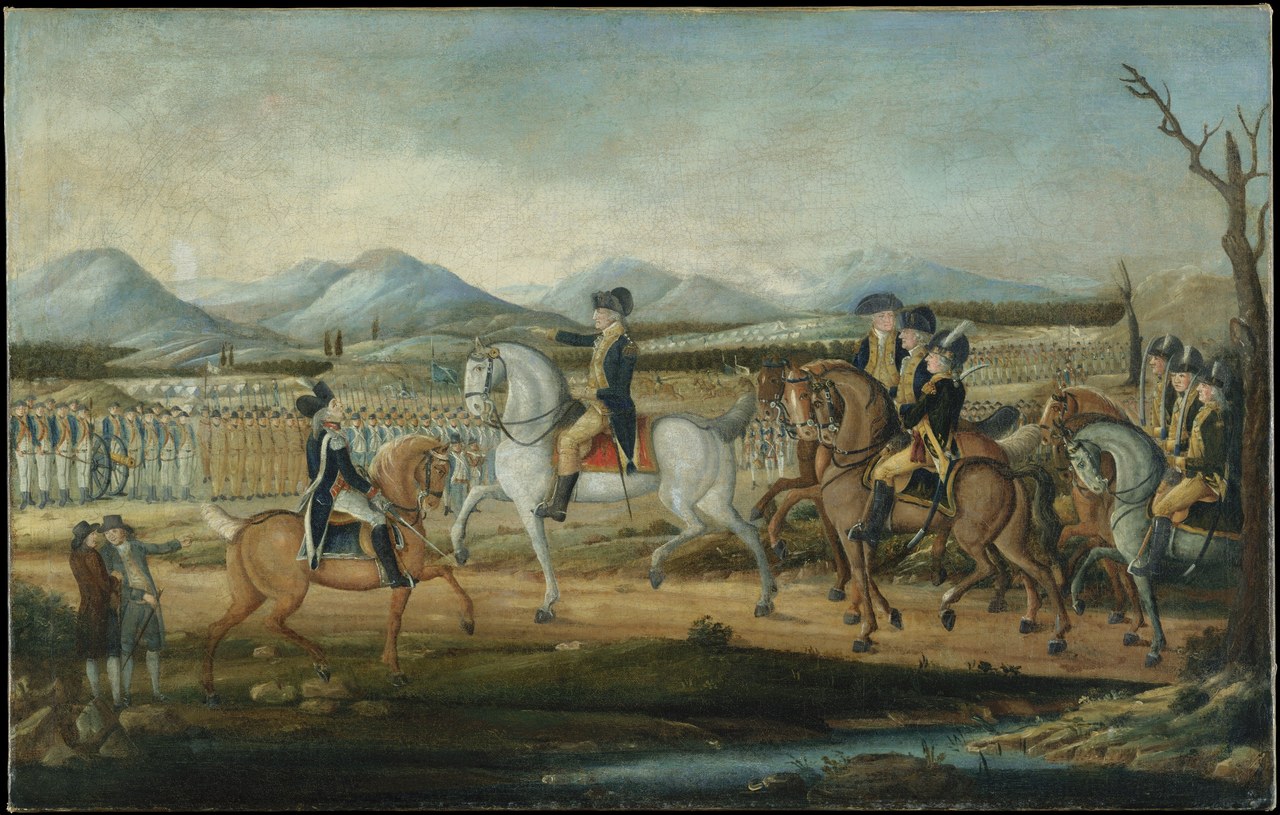
In 1791 Congress passed an excise tax on distilled spirits, the first internal tax laid by the new federal government. Treasury Secretary Alexander Hamilton wanted the revenue to reduce debts left over from the Revolutionary War and to assert national authority. On the western frontier the tax landed hard. Small farmers distilled their grain into whiskey because it was easier to ship and keep than bulk grain, and it also served as an informal currency. Many settlers saw the tax as a burden placed on them by eastern elites.
Resistance began with refusals to pay and with attacks on revenue officers, who were sometimes tarred and feathered. In 1792 President George Washington issued a proclamation warning against resistance to the law. The protests turned violent in July 1794, when several hundred armed men near Pittsburgh burned the home of John Neville, the regional tax inspector. Protesters then gathered on Braddock's Field outside the city, and some talked of attacking the federal garrison there.
Washington first tried negotiation. A committee of western representatives, which included Albert Gallatin, met commissioners without settling the crisis. In August 1794 Washington issued a proclamation ordering the insurgents home and called up militia from Pennsylvania, New Jersey, Maryland and Virginia. About 13,000 men marched west, and Washington accompanied them for part of the way. The painting on this page, attributed to Frederick Kemmelmeyer and made after 1795, shows him reviewing the troops at Fort Cumberland, Maryland. By the time the army reached the region the opposition had dispersed and no battle took place.
About 150 men were arrested, but weak evidence and missing witnesses hampered the trials. Two men, John Mitchell and Philip Weigel, were convicted of treason, and Washington pardoned both. Federalists took the outcome as proof that the national government could enforce its laws inside the states. Many Jeffersonian Republicans were alarmed by the size of the force and feared that central power was growing too strong. The dispute fed the political divisions of the 1790s, and the whiskey excise was repealed in 1802 under President Thomas Jefferson.
 Britannica: Whiskey Rebellion
 George Washington's Mount Vernon: Whiskey Rebellion
 World History Encyclopedia: Whiskey Rebellion