 Go Back

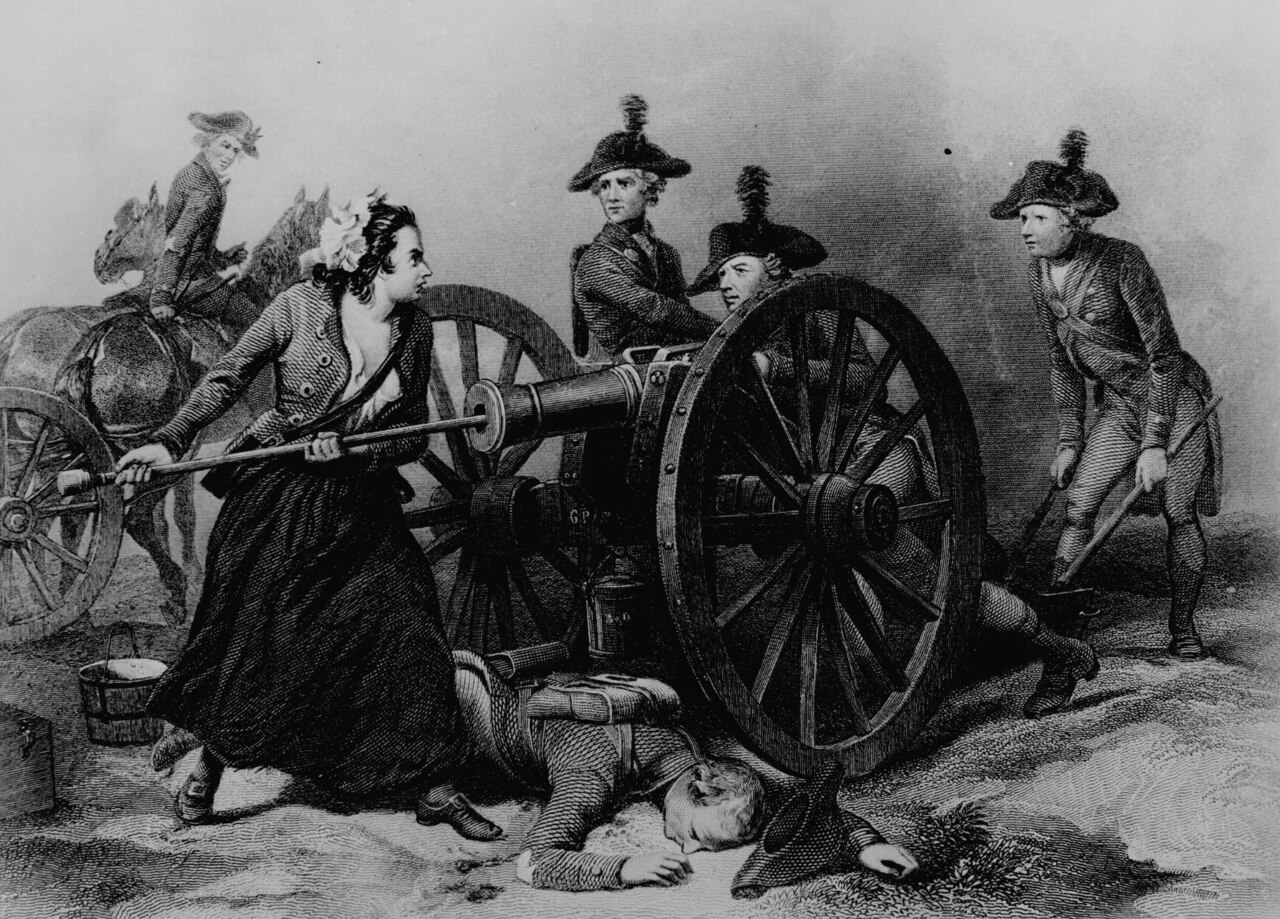
Women participated in the American Revolution through work that connected household decisions to public conflict. Long before armies fought, boycotts made buying, drinking and clothing political acts. Women avoided imported goods, produced homespun cloth and helped maintain resistance within communities. These activities drew on familiar household responsibilities but gave them a wider public meaning. Participation varied greatly, however, according to wealth, race, legal status and allegiance.
Writers such as Mercy Otis Warren and Phillis Wheatley contributed to the public conversation in different ways. During the war, many women managed farms and businesses in the absence of men. Others accompanied military forces, washing clothes, cooking and nursing. These services were necessary to the survival of armies, even when later accounts treated them as incidental. Displacement, shortages and the movement of troops also placed women under pressure whether or not they had chosen a political side.
Some women entered combat or military service directly. Deborah Sampson disguised herself as a man to serve, while Margaret Corbin took part in the defense of a military position. Stories gathered under the name Molly Pitcher connect women's battlefield labor with later popular memory, but should not be treated as a precise account of every event. Enslaved women faced a different struggle over freedom and family security, and Loyalist women could suffer confiscation or exile alongside their households.
The new republic did not give women equal political rights. Their importance to resistance and war did not translate into a general right to vote or freedom from established legal restrictions. Expectations that women educate future citizens could acknowledge their public importance while keeping formal power in male hands. The Revolution therefore opened some forms of participation without removing the structures that limited them. Its history includes the labor and decisions of women who sustained communities, supported opposing armies and tested the meaning of liberty in their own lives. Boycotts also required decisions about substitutes and supplies, demonstrating that collective resistance depended on sustained work within homes as well as speeches in public.
 World History Encyclopedia: Women in the Revolution
 HISTORY: Women in the American Revolution