 Go Back

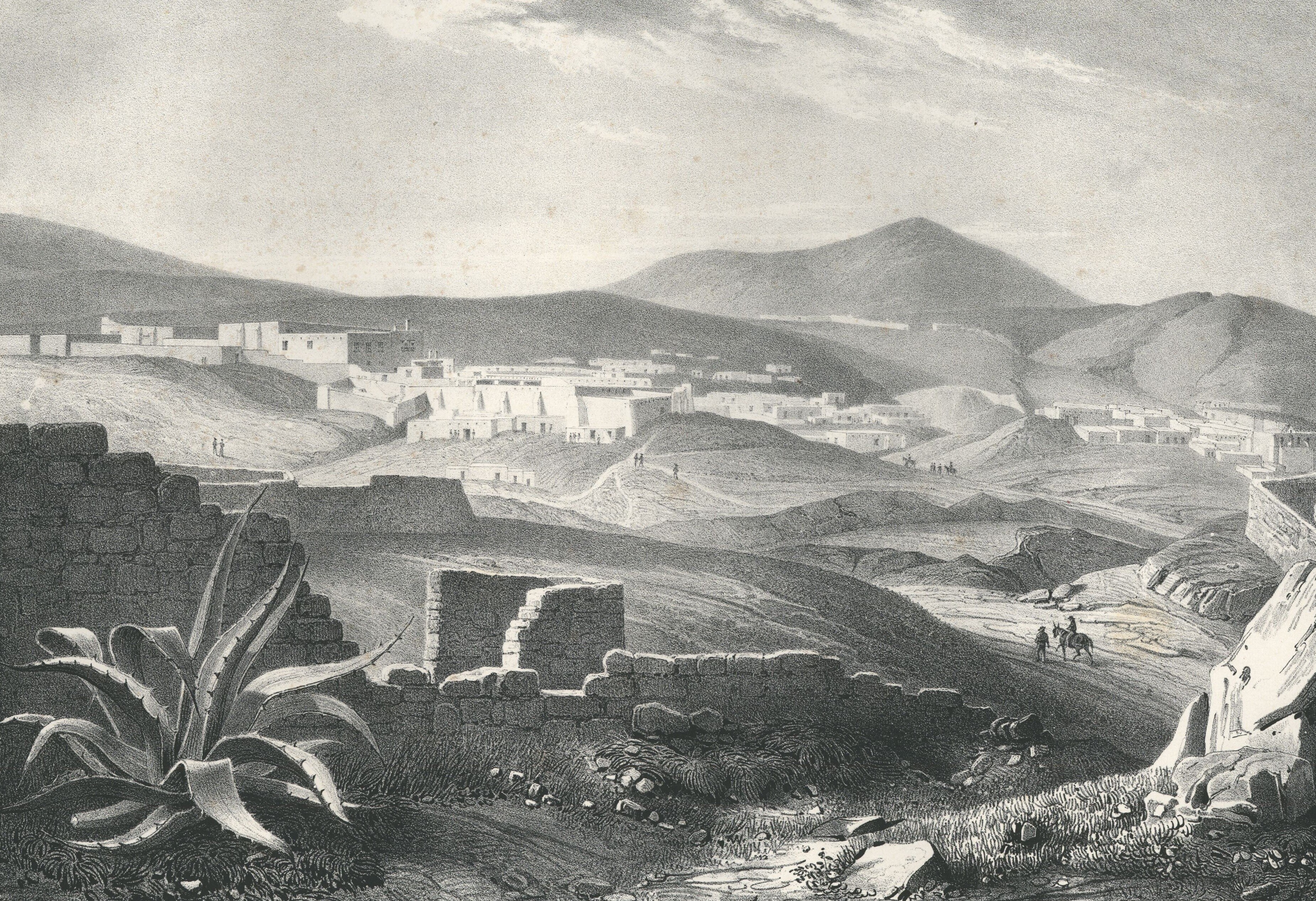
In 1546, barely a generation after the fall of the Aztec Empire, Spanish prospectors in the arid hills north of Mexico City struck one of the richest silver deposits on Earth, and the city of Zacatecas rose from the mining camp almost overnight. Along with Guanajuato and San Luis Potosí it anchored the silver economy of New Spain, and by the late sixteenth century Zacatecas was among the largest cities in the Americas, a place of wealthy mine owners, grand churches, and refining mills built beside the shafts. The silver it pulled from the earth did not stay in Mexico: it flowed up the Camino Real to Mexico City and Veracruz, across the Atlantic in the treasure fleets, and across the Pacific in the Manila galleons, becoming the first truly global money.
The mines ran on Indigenous labour. The Spanish first worked them with enslaved and tribute workers, then increasingly through the repartimiento, a rotating draft of village labourers, and wage workers drawn from communities uprooted by conquest and disease. Conditions underground were brutal: flooding shafts, mercury fumes from the patio refining process that used mercury to separate silver from ore, and death from accidents were routine. Yet the mining economy also created room for Indigenous and mixed-descent people to work, trade, and resist: the Chichimec peoples of the northern frontier fought the mining frontier in the long Chichimeca War of 1550-1590, forcing the crown to settle allied Tlaxcalan families in the region and to pay for peace with gifts and food.
Silver shaped everything around it. A chain of garrison towns and haciendas grew along the Camino Real to supply the mines with food, mercury from Almadén, and cloth; mule trains linked Zacatecas to ports and fairs; and the crown taxed production through the quinto, the royal fifth, making mining revenue a pillar of Spanish imperial finance. The great bonanzas made individual fortunes, but the wealth was concentrated: most miners remained poor wage labourers, and the countryside around the mines was transformed into estates supplying the camps.
Through the seventeenth and eighteenth centuries Zacatecas silver helped pay for Spain's wars and bought the goods of Asia, tying the Americas, Europe, and China into one trading system. The city's wealth left a built legacy of aqueducts, convents, and one of the finest baroque cathedrals in Mexico. When the wars of independence disrupted the mines after 1810, the fragility of an economy built on a single metal was laid bare, but the pattern set in Zacatecas - booms financed by foreign capital, worked by local labour - would define Mexican mining for centuries.
 Britannica: Zacatecas (state, Mexico)
 UNESCO World Heritage: Historic Centre of Zacatecas