 Go Back

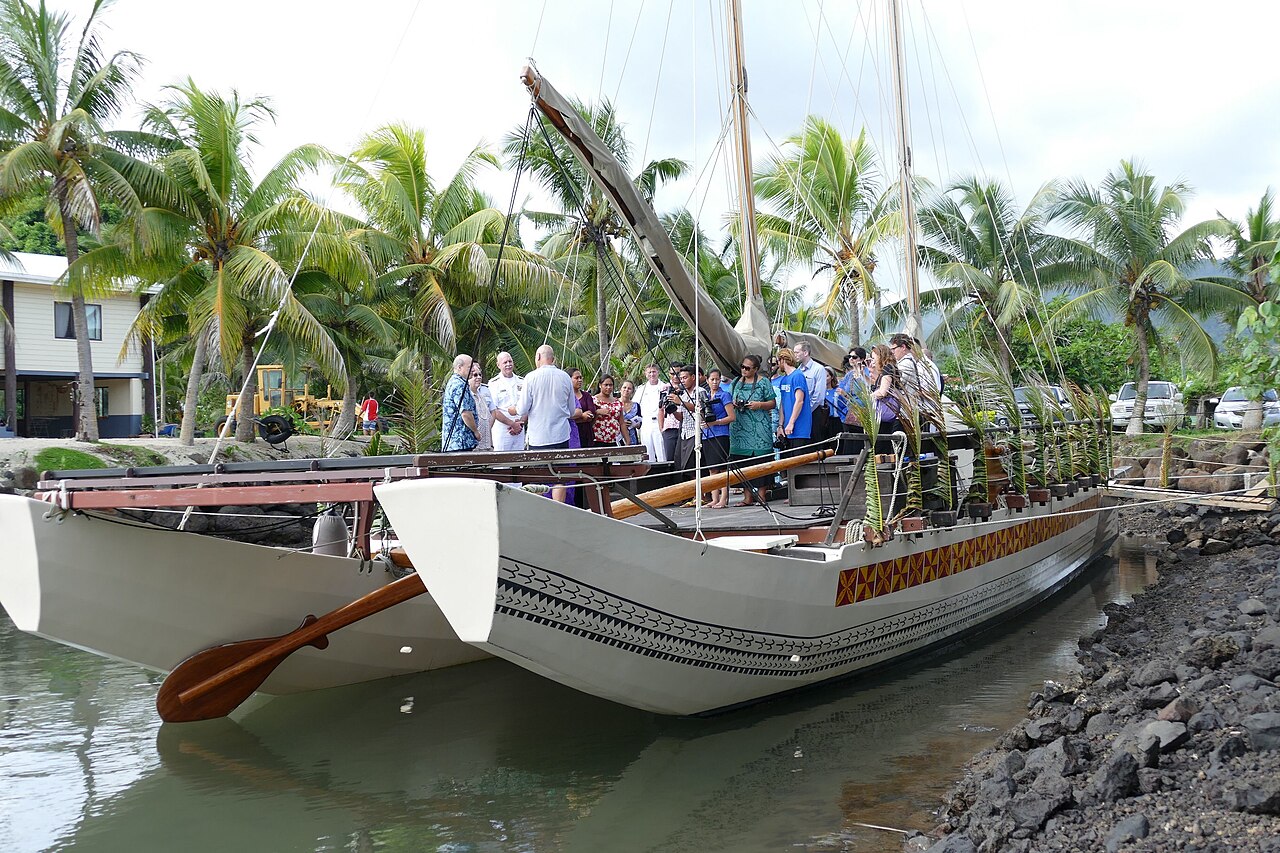
Early Polynesian Voyaging. Early Polynesian Voyaging refers to the initial wave of maritime expansion from roughly 1000 BCE to 500 CE, during which ancestral navigators pushed beyond the Solomon Islands into Central Polynesia, settling island groups like Tonga and Samoa. This era matters profoundly because these early seafarers developed the foundational oceanic technologies and survival strategies that enabled humanity to inhabit the world's largest body of water.
Using massive double-hulled voyaging canoes (wa'a kaulua), navigators observed subtle ocean swells, cloud formations, bird flight patterns, and star paths to cross thousands of miles of open ocean without mechanical compasses or written maps. They transported staple crops like taro, yams, and breadfruit, alongside livestock, to ensure the long-term survival of new island colonies. This early expansion laid the biological, linguistic, and cultural groundwork for the later medieval settlement of distant outposts like Hawaii and New Zealand.