 Go Back

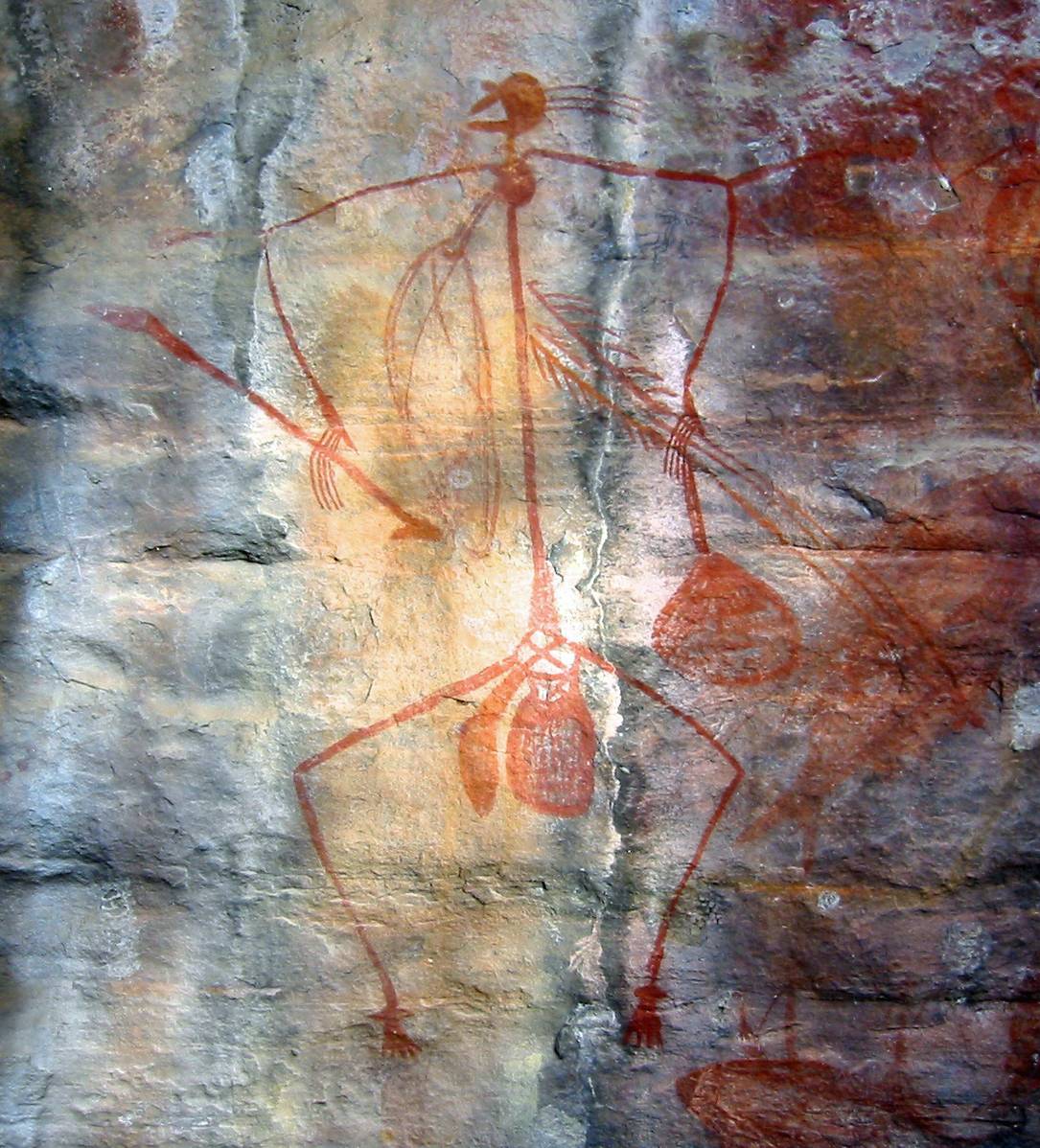
Ancient Indigenous Australia (First Nations). Indigenous Australian societies represent one of the oldest continuous living cultures on Earth: archaeological evidence shows Aboriginal peoples have been living on this land for at least 65,000 years, confirming what Aboriginal people have always known. Their spiritual world is anchored in the Dreaming - the system of belief in which all-powerful beings roamed the landscape, laid down the moral and physical groundwork of the world, and gave life to the first people and their culture; no one can say exactly how old the Dreaming is, and from an Indigenous perspective it has existed from the beginning. At Lake Mungo in New South Wales, the discovery of Mungo Lady - the oldest known cremation in the world - and, just 300 metres away, of Mungo Man, both dated in 2003 to 40,000 years old, revolutionized understanding of the antiquity of these cultures: they are some of the oldest remains of modern humans ever discovered outside Africa.
Far from living as simple wanderers, First Nations communities were custodians of Country, passing down ancient wisdom of its natural, human, and spiritual worlds. In the Kimberley, they carefully created a patchwork of firebreaks that slowed the spread of catastrophic wildfire sparked by lightning - traditional fire management that ecologists now combine with modern technology on a larger scale to reduce wildfire risk. Stone houses dating back 9,000 years, the oldest known in Australia, alongside shell middens and grinding stones, and boomerangs at least as old testify to settled skill, while a Pilbara cave holds evidence of Aboriginal life in northern Western Australia 50,000 years ago. Their languages, creation stories, and oral traditions preserved environmental memory and social law across dozens of millennia - a living heritage that First Nations people carry today.
 PBS: Get to Know the First Peoples of Australia
 National Geographic: Who are Aboriginal Australians—and why are they still fighting for recognition?
 Smithsonian Institution: Words in the Air and the Water: Australian First Nations Philosophy in Poetry
 Britannica: Australian Aboriginal peoples