 Go Back

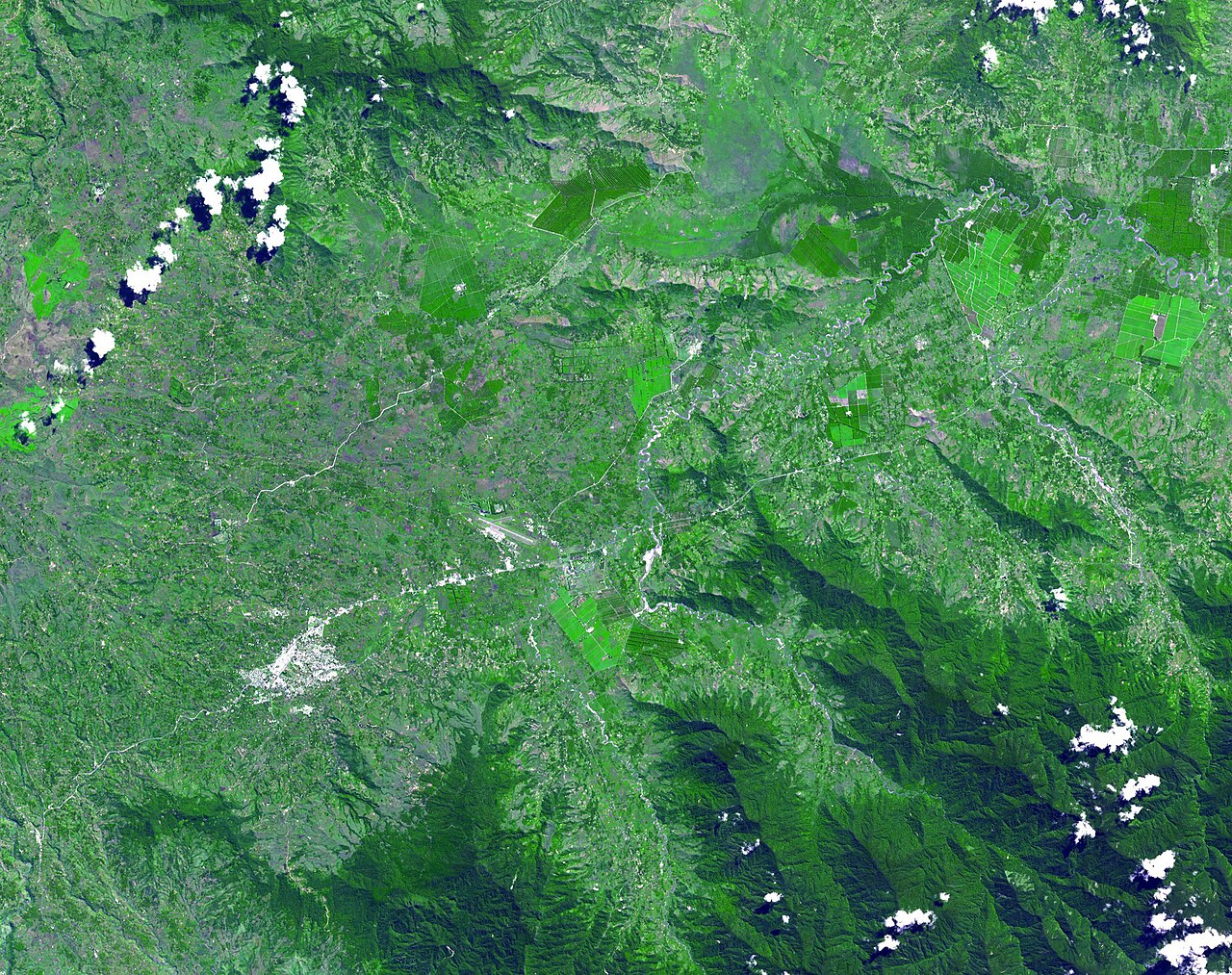
The Kuk Early Agricultural Site. The Kuk Early Agricultural Site, located in the Western Highlands of Papua New Guinea, is a UNESCO World Heritage site where evidence suggests the land has been cultivated for at least 7,000 years - and perhaps, in its earliest phases, for nearly 10,000. Emerging around the same era as early farming in the Fertile Crescent and East Asia, Kuk matters because it is one of the few places in the world where archaeological evidence suggests an independent invention of agriculture: proof that Indigenous Papuan societies developed farming on their own, in total isolation from the other cradles of agriculture across the sea, in what may be one of the oldest continuously farmed landscapes anywhere on Earth - the site was inscribed on the World Heritage List in recognition of that outstanding testimony to a farming tradition born independently in the Pacific - a place where the deep history of agriculture can still be read directly from the soil.
Excavations at Kuk reveal a well-preserved record of the great technical transformation from planting on mounds to draining the wetlands through ditches dug with wooden tools. The decisive shift came around 7,000-6,400 years ago, with organized farming based on the vegetative propagation of bananas, taro, and probably yams, and the site is an exceptional example of how agricultural practices changed across the ages. This horticultural tradition sustained dense highland populations for thousands of years; even today, modern farming at Kuk remains relatively low-key and does not intrude upon the archaeological features - ancient ditches and channels still legible beneath the working fields of the highland valley, where the same wetland that fed Papuan farmers for millennia now feeds their descendants and preserves their past.
 Britannica: Kuk Early Agricultural Site
 World History Encyclopedia: First Agricultural Revolution
 Humanities LibreTexts: 1.6: The Neolithic Revolution
 UNESCO World Heritage Centre: Kuk Early Agricultural Site