 Go Back

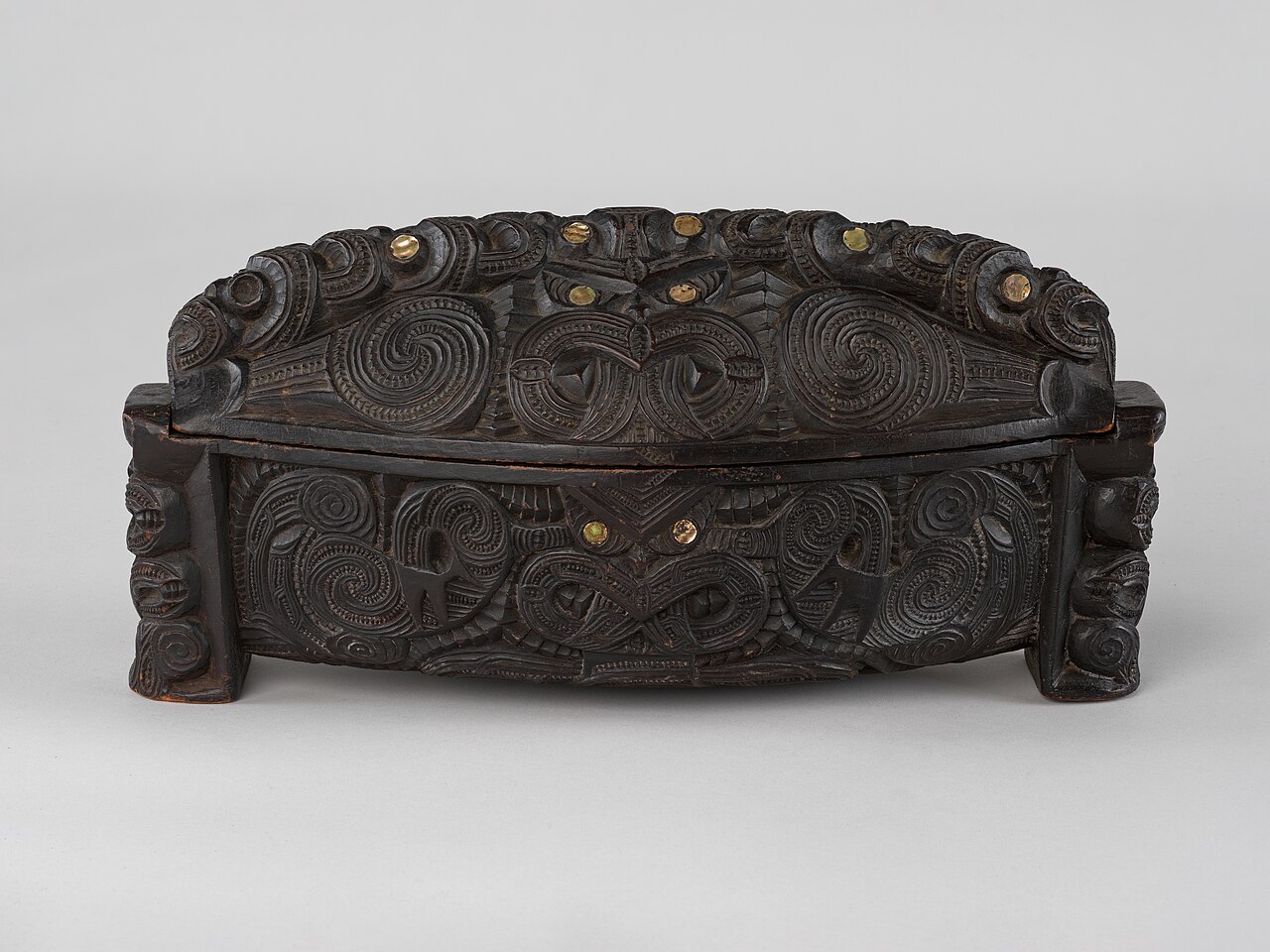
Maori Settlement of Aotearoa. The Maori settlement of Aotearoa (New Zealand) came when Polynesian voyagers arrived by canoe in several waves between 1250 and 1300 CE, guided across the Pacific by the brilliance of the stars in their waka hourua - voyaging canoes - from the ancestral homeland of Hawaiki. The first centuries are remembered as the 'Moahunter' or colonization period (1280-1500 CE), when the settlers adapted their tropical traditions to a cooler, temperate land and developed a distinct tribal culture organized around intricate wood carving, genealogical memory, and the fiercely independent warrior tradition for which the Maori became renowned.
Society was structured around the iwi, the tribe, and sacred knowledge was carried by respected specialists: the tohunga ta moko, the tattoo craftsman, was considered tapu, and the moko itself - reserved for the face and for Maori of high social status, for the head was considered the most sacred part of the body - chronicled a person's ancestral and life history, indicating their whakapapa, the line of ancestors from whom they descended; ta moko is related to the tatu of Eastern Polynesia and the tatau of Samoa, a tradition extending back thousands of years. The arrival of Europeans from the late eighteenth century - explorers, traders, and collectors - brought new relationships and new pressures. In 1840 the relationship was formalized by the Treaty of Waitangi, New Zealand's founding document: negotiated at Waitangi on February 5-6 by Britain's designated consul and lieutenant governor William Hobson, it was ultimately signed by 540 Maori rangatira, or chiefs. That same year Britain annexed all of New Zealand - the North Island on the basis of the treaty, and the South Island by the, in this case dubious, right of discovery.
 Britannica: Te Tiriti o Waitangi (1840)
 World History Encyclopedia: Traditional Maori Tattoo of New Zealand
 Humanities LibreTexts: 9.3: Polynesia
 BBC: BBC World Service - CrowdScience, Where was the last place humans made home?, How Maori people remember their arrival on New Zealand