 Go Back

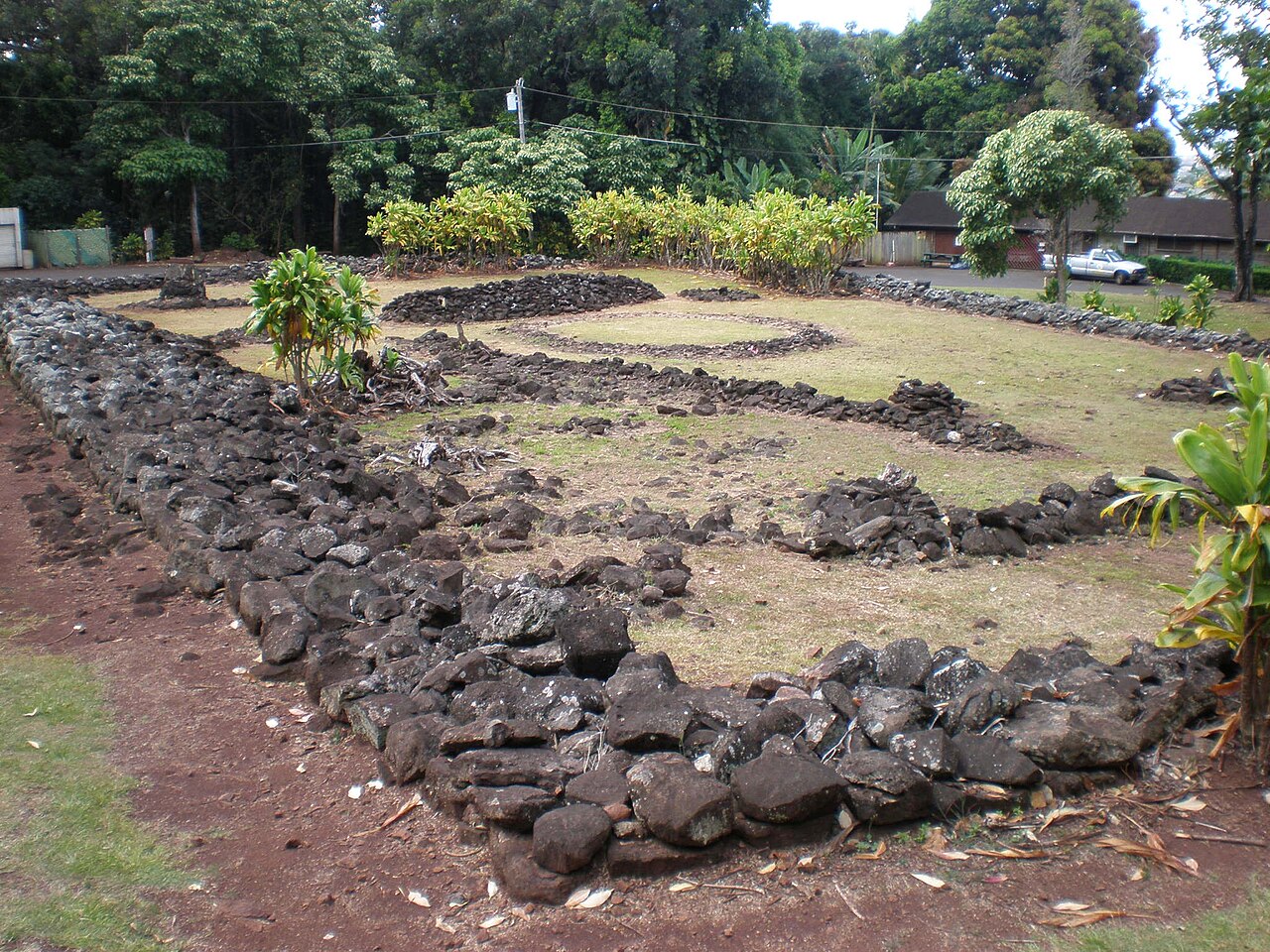
Pre-Unification Hawaiian Chiefdoms. Before 1795, the Hawaiian Islands were divided into competing chiefdoms, each island ruled by its own ali'i - chiefly lines such as the 'Ewa ali'i of Oahu and the ali'i nui of Hawaii island - contesting land, status, and power across the archipelago. Contact with Europeans, beginning when Captain Cook anchored off Kauai, introduced firearms, ships, disease, and new goods into these old rivalries. Into this world was born Kamehameha, whose rise legend aligned with the predicted reappearance of Halley's comet; as a teenager he was said to have overturned a great sacred volcanic boulder, and in 1779 he is believed - though accounts vary - to have fought in the conflict in which Cook was killed. When the ruling chief, his uncle, died in 1782, the dispute over how his lands would be distributed incited a bloody civil war, and at the Battle of Moku'ohai Kamehameha came face-to-face with his cousin and prevailed.
Kamehameha then fought a generation of wars, facing his rivals with small, elite groups of warriors rather than single decisive battles. He adopted the muskets and ship cannon that came with the growing number of Anglo merchants in the islands - though scholars such as Paul D'Arcy caution that their role has been overstated, for his power rested as much on alliances, trade, and the favor of the war god, sealed when he finished erecting the great temple of Pu'ukohola Heiau in 1791. In 1795, at the epic Battle of Nu'uanu, he conquered Oahu and unified most of the islands, establishing the Kingdom of Hawaii; after two failed assaults on Kauai, he completed the unification in 1810 not by conquest but by a historic peace meeting, in which his longtime rival King Kaumuali'i of Kauai agreed to recognize his rule. The old patchwork of warring chiefdoms had been transformed into a centralized monarchy.
 National Geographic: Kamehameha the Great, the king who united the Hawaiian Islands
 Smithsonian Institution: “E Mau Ke Ea: The Sovereign Hawaiian Nation” Opens at the National Museum of the American Indian Jan. 17
 Wikipedia: History of Hawaii
 Britannica: Hawaii