 Go Back

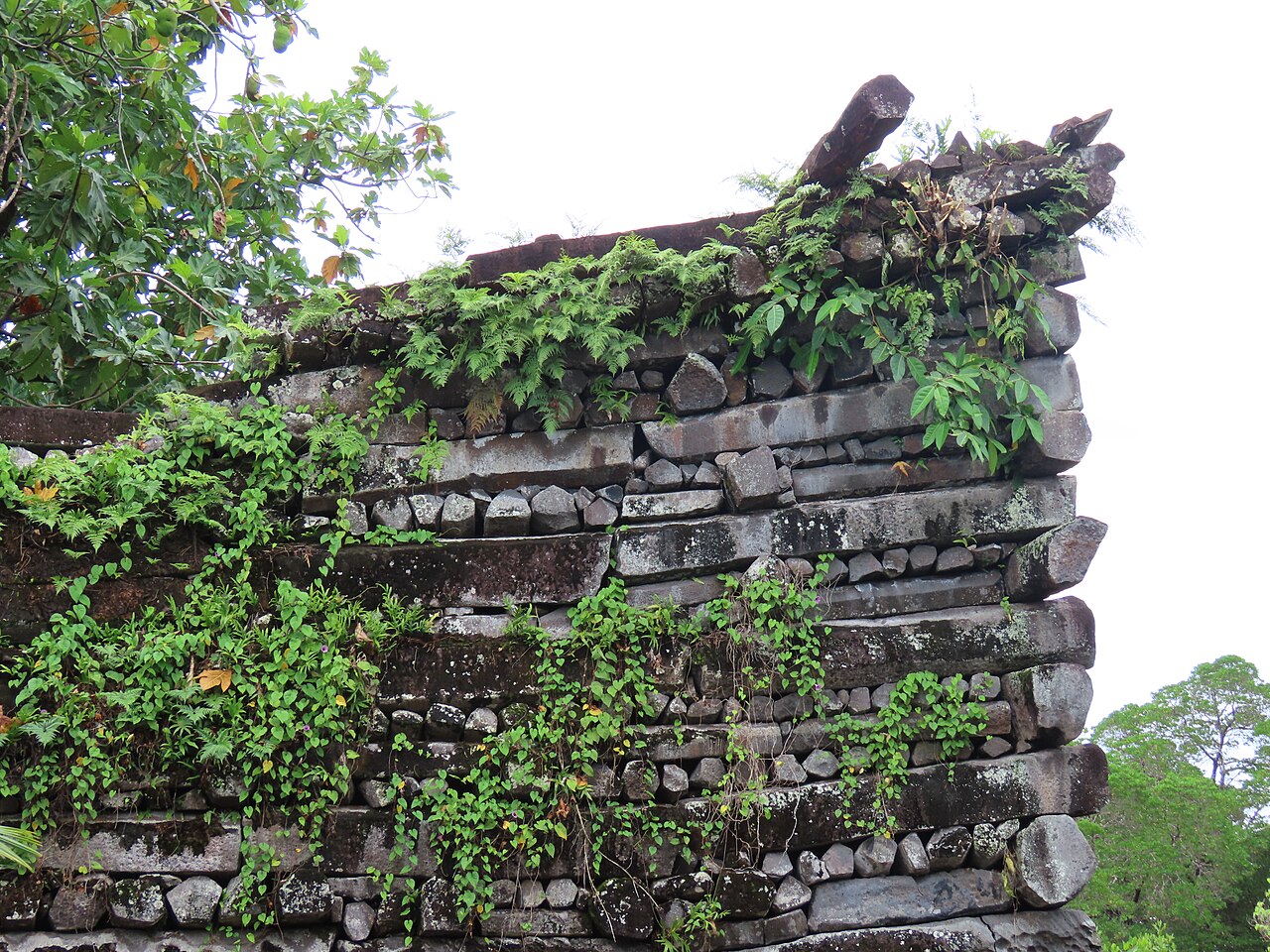
The Saudeleur Dynasty & Nan Madol. The Saudeleur Dynasty was the centralized dynasty that ruled the island of Pohnpei in Micronesia from around 1100 to about 1628, governing from Nan Madol - the so-called 'Venice of the Pacific', an apt comparison, for like Venice the city rests on a network of canals and waterways, though unlike Venice it is built around artificially constructed islets. Off the southeast coast of Pohnpei, ninety-nine artificial islets rise on walls of basalt columns and coral boulders, harboring the remains of stone palaces, temples, tombs, and dwellings; the great edifices were built between 1200 and 1500 CE as the ceremonial center of the Saudeleur, a vibrant period in Pacific Island culture. The dynasty matters because the huge scale of Nan Madol - a royal city raised upon the reef itself - is one of the most audacious achievements of the ancient Pacific.
The Saudeleur concentrated political and religious power at the capital, where the mortuary sector sprawls across fifty-eight islets in the northeast around a colossal royal tomb; the elite occupants of the islets depended on their subjects even for fresh water. The tribute system began seasonally - seafood presented to the Saudeleur at designated times - but over time the dynasty's demands grew oppressive, drawing the resentment of the Pohnpeians. The dynasty ended with the invasion of Isokelekel, a semi-mythical foreigner who, in Pohnpeian tradition, knew his destiny of vengeance even in the womb: accounts differ - in one, a game between local children and those from Isokelekel's canoe escalated into open war; in another, he staged an insurrection after winning the trust of his hosts - but all agree he overthrew the Saudeleur and replaced their rule with a new order. Nan Madol was abandoned, and today its ruins are a UNESCO World Heritage site.
 Britannica: Nan Madol
 World History Encyclopedia: Nan Madol, Reconstructed
 Humanities LibreTexts: 5.4: Nan Madol- “In the space between things”
 UNESCO World Heritage Centre: Nan Madol: Ceremonial Centre of Eastern Micronesia