 Go Back

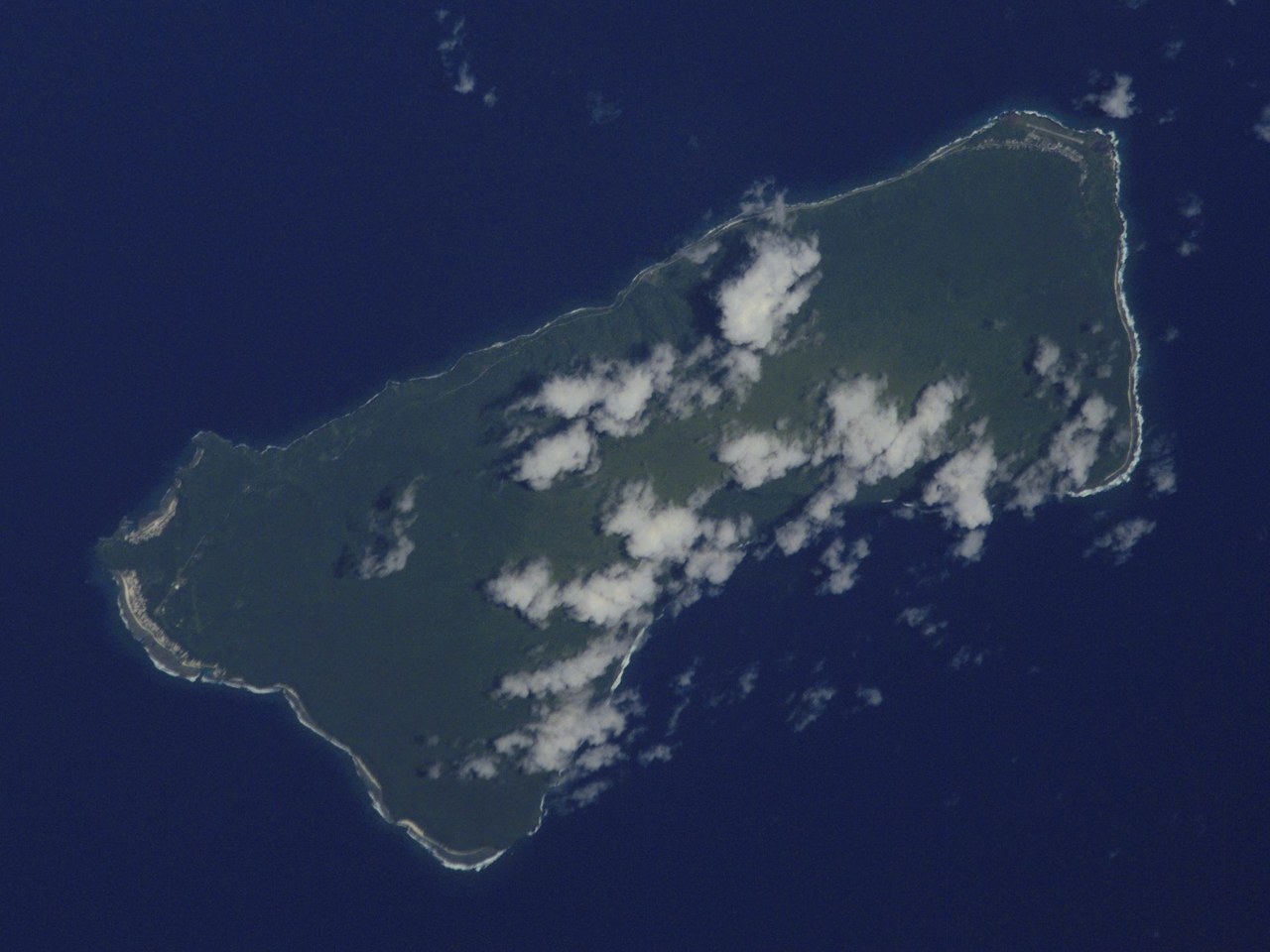
The Tui Manu'a and the Samoan Chiefdoms. The Tui Manu'a and the Samoan chiefdoms (c. AD 500-1909) represent one of the oldest political traditions of Polynesia. Samoa was settled by Lapita voyagers around three thousand years ago, and out of its early communities grew a society of chiefs, the matai, who governed villages and districts through councils bound by elaborate custom, the fa'a Samoa, the Samoan way. The most exalted title of all was the Tui Manu'a, the sacred ruler of the Manu'a islands, whose authority Samoan tradition placed at the very beginning of the islands' history.
The Tui Manu'a was more than an ordinary chief. According to Samoan oral tradition, the title descended from Tagaloa, the supreme god, and its holders ruled not only Manu'a but at times claimed tribute and allegiance across Samoa and even beyond, to Fiji, Tonga, and other island groups; some traditions remember a great Samoan maritime confederacy reaching across the southwest Pacific. Archaeology confirms Samoa's wide ancient connections, and the prestige of the Manu'a title was acknowledged far beyond its home islands.
From the thirteenth century the balance of power shifted. Tongan influence, and then the rise of the great warrior lineages of Upolu and Savaii, eclipsed Manu'a's political supremacy, though the title's sacred aura remained. In the nineteenth century Christianity spread through the islands, the Samoan kingdoms of the main islands contested the chieftainship among themselves, and the powers of Europe and America circled. In 1904 the last Tui Manu'a, Elisara, ceded the Manu'a islands to the United States, and he died in 1909, ending a line remembered as the oldest in Polynesia.
The Samoan chiefdoms endured where the Tui Manu'a did not: the matai system, the village councils, and the fa'a Samoa still order Samoan life today. The memory of Manu'a's ancient sacred kingship, and of the days when Samoan canoes ruled the seas of the southwest Pacific, remains a source of pride in both independent Samoa and American Samoa.
 Wikipedia: Tui Manu'a
 Samoa News Hub: Reassessing the Tui Manu'a Tradition
 American Religious History: Tui-Manu'a Elisara
Wikipedia: Tui Manu'a Confederacy