 Go Back

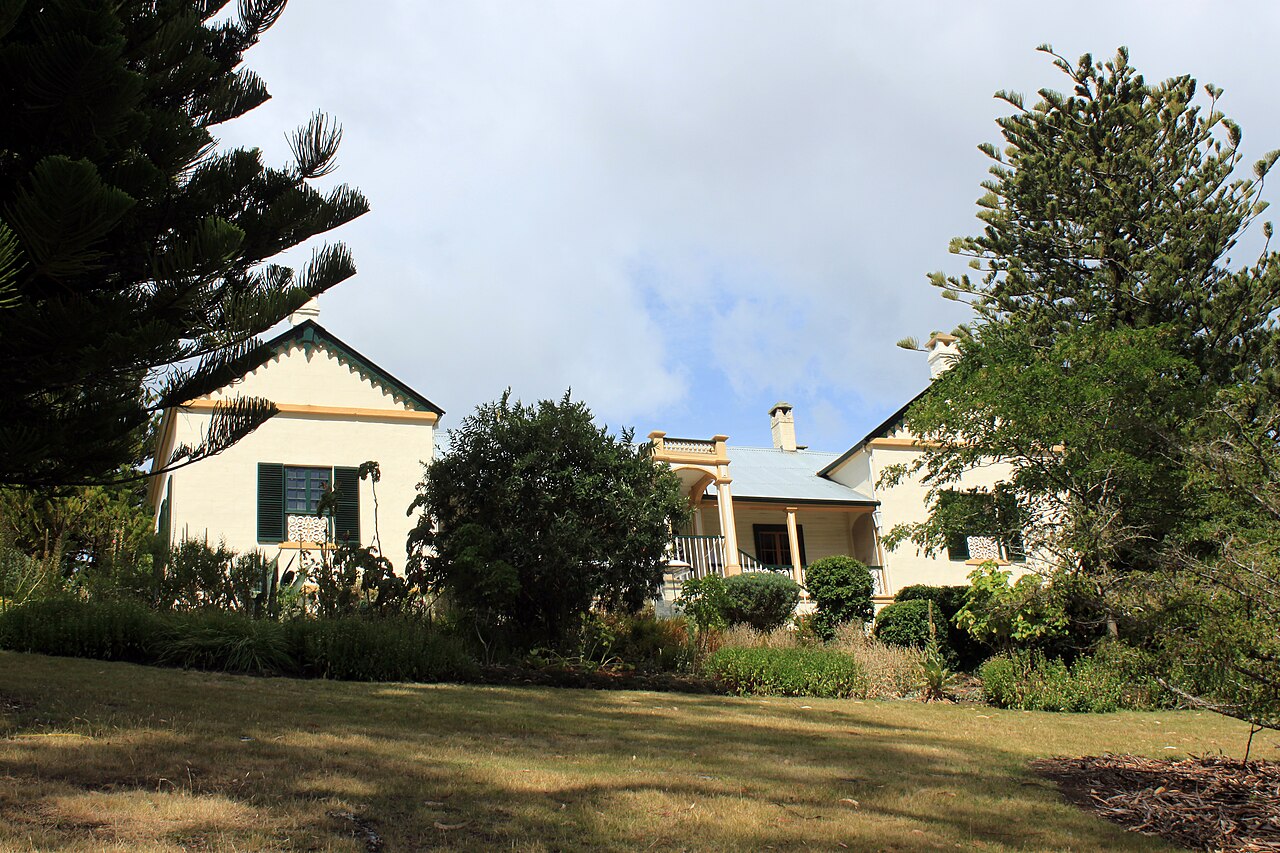
Colonial Australia & Penal Settlements. Colonial Australia began as a solution to a British problem: having transported about 50,000 convicts to the New World between 1718 and 1775, Britain lost that outlet with American independence and searched for an alternative. In August 1786 the Pitt government announced its intention to send convicts to Botany Bay - a site recommended by Joseph Banks, who had accompanied Cook on his 1770 voyage - and on January 26, 1788, the First Fleet under Captain Arthur Phillip founded the penal settlement at Sydney Cove. Over eighty years, between 1787 and 1868, around 166,000 men, women, and children were sent to the convict colonies; the system applied even to children from the age of nine, and its stated logic was rehabilitation through forced labour - convicts built the colony's farms, wharves, and roads.
By 1820 British settlement was still largely confined to a 100-kilometer arc around Sydney and the central plain of Van Diemen's Land, but from 1816 penal transportation increased rapidly and the number of free settlers grew steadily - by 1850 the settler population of New South Wales had grown to 180,000. New colonies followed at Western Australia in 1829 and South Australia and the Port Phillip District in 1836. Transportation to New South Wales ended in 1840 amid public demands for representative government, and a semi-elected Legislative Council was established. The expansion of cattle and sheep grazing inland came at devastating cost to Indigenous Australians through introduced diseases, violent conflict, and the dispossession of their traditional lands - a dispossession met by sustained Aboriginal resistance. Gold rushes in the 1850s then transformed the colonies' economies and accelerated democratic reform, and in 1901 the six self-governing colonies federated to form the Commonwealth of Australia.
 UNESCO World Heritage Centre: Australian Convict Sites
 BBC: BBC World Service - Witness History, The First Fleet Lands in Australia
 Wikipedia: History of Australia (1788–1850)
 Britannica: First Fleet