 Go Back

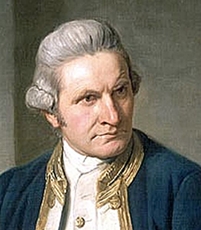
European Exploration of the Pacific. European exploration of the Pacific refers to the centuries of maritime expeditions led by Spanish, Dutch, French, and British navigators from the 16th to the 18th centuries, most notably James Cook and Abel Tasman. Driven by the search for Terra Australis Incognita (a theoretical southern continent) and lucrative trade routes, these voyages mapped vast ocean expanses and documented island cultures previously unknown to Western powers.
Explorers introduced European goods, technologies, and devastating foreign diseases to isolated Pacific populations, radically altering native trade networks and social dynamics. Expeditions were often accompanied by scientists and artists who cataloged unique flora, fauna, and indigenous customs, triggering intense European colonial interest in the region. This era of exploration set the direct stage for Western imperial annexation, missionary activities, and total political transformation across Oceania.