 Go Back

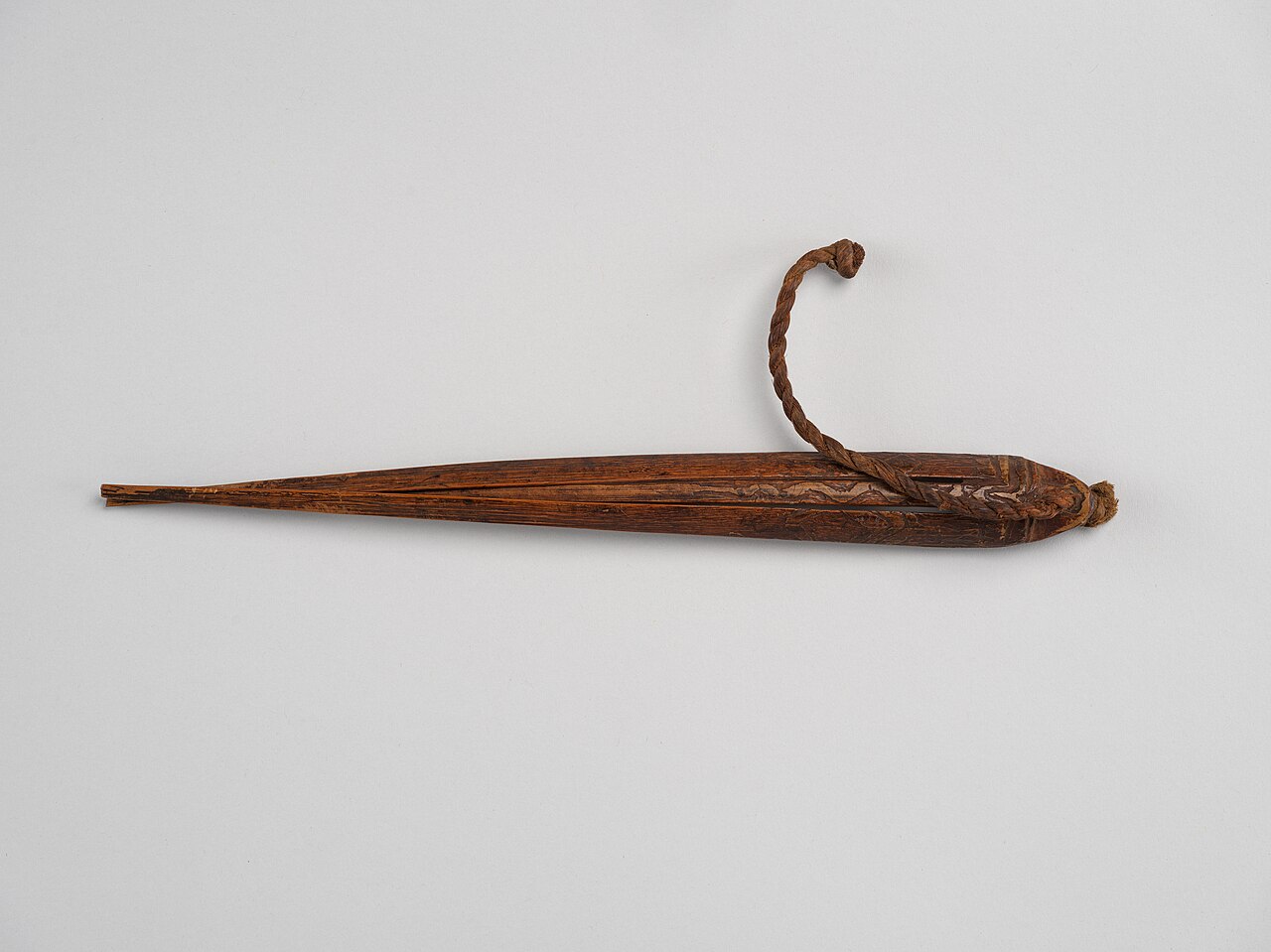
German New Guinea. German New Guinea was Germany's Pacific colony in the late 19th and early 20th centuries, covering the northeastern quadrant of New Guinea with the Bismarck Archipelago and the northern Solomons. By 1884 the German New Guinea Company was administering the northeastern quadrant - in the same year Britain declared a protectorate over the southeastern quadrant, later administered by Australia from 1906 - and it was in the island territories, especially after the imperial government took over in 1899, that most early economic activity took place: plantations were widely established in the New Guinea islands and around Madang, worked by laborers drawn from across the region. The chartered company's rule drew criticism for doing little to encourage colonial investment. The colony matters as the Pacific's brief but consequential German moment, ended by the First World War after barely thirty years.
Australian forces seized the colony in September 1914, and in 1921 Australian control was formalized as a League of Nations mandate, administered from Rabaul separately from Papua to the south. The planters went back to their copra, the remaining German settlers were deported, and in the early 1920s prospectors began pushing beyond the coasts toward the island's unknown interior, following rumors of gold up the Markham and Bulolo rivers. Thirty years of the German Pacific had ended in a morning's landing; the Australian chapter had just begun.
The colony's people were hundreds of distinct Melanesian societies, from the coastal trading villages of the Huon Gulf to the big-men of New Ireland and the Sepik. German rule touched most of them lightly but harshly where it came: labor recruiters signed on thousands for the plantations, mission stations - Lutheran, Catholic, Methodist - opened schools and stations along the coasts, and German scientists, anthropologists and explorers pushed into the Sepik basin and the Finisterre ranges in the colony's last years, mapping a world Europeans had barely seen.
 Britannica: Papua New Guinea - Colonization, Melanesia, Pacific
 Wikipedia: German New Guinea
Britannica: New Guinea
 ANU: Rabaul, German New Guinea - extracts from Report Imperial Charter of Protection (Schutzbrief), granted to the New Guinea Company from the Deutscher Reichs - Auzeiger, Berlin, 21 May 1885 - Archives