 Go Back

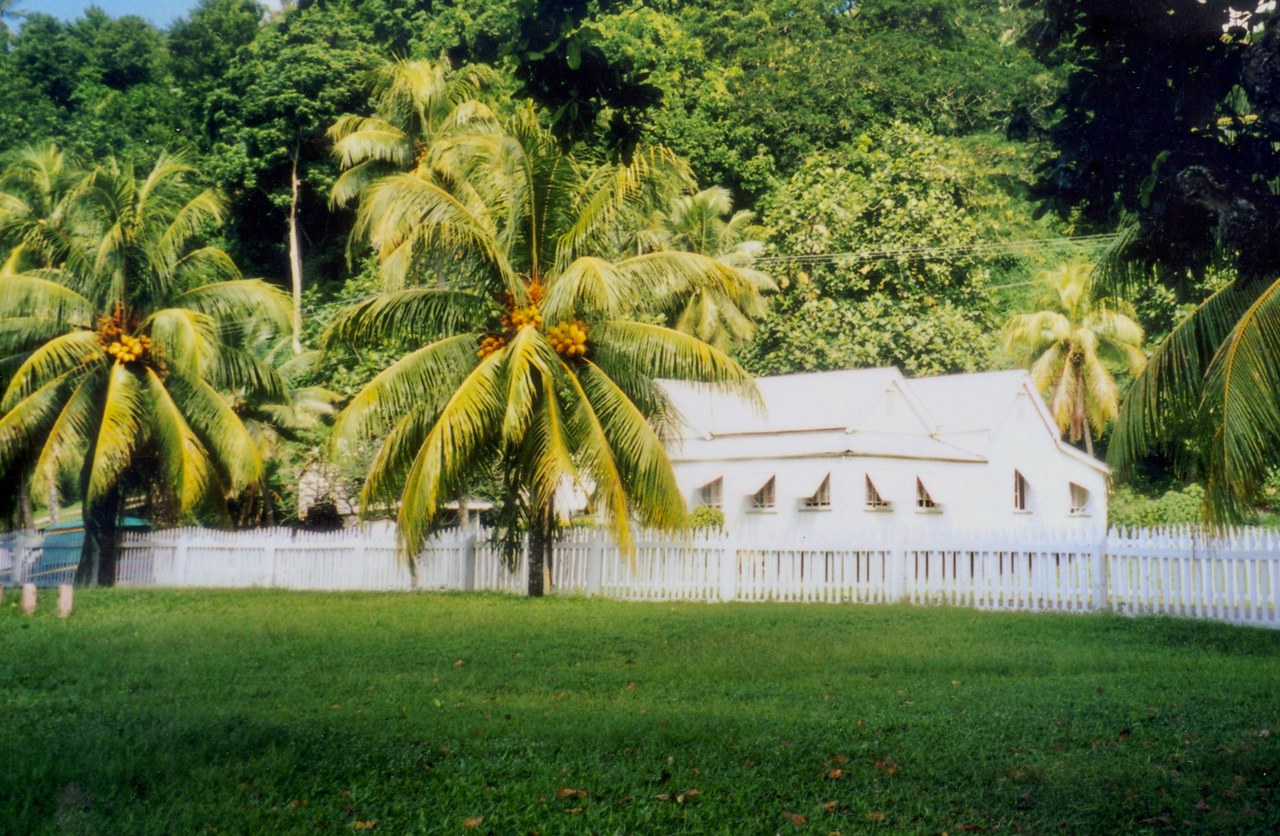
The Colony of Fiji. The Colony of Fiji, established in 1874, was born of a unique bargain: in 1874 the high chief Cakobau, self-proclaimed King of Fiji, and the other leading chiefs ceded their islands to Queen Victoria by the Deed of Cession, seeking order, protection, and the payment of Cakobau's debts. Fiji was one of the few places where British rule began by treaty with a reigning local monarch, and the deed remains the founding document of the Fijian state.
The early colonial government, under the first governor Sir Arthur Gordon, reshaped the islands with lasting consequences. Gordon protected Fijian land from sale, governed the villages through the chiefs, and, seeking labor for the sugar plantations, turned to India: between 1879 and 1916 some sixty thousand Indian indentured laborers, the girmitiyas, were brought to Fiji under harsh contracts to work the cane fields. Their descendants, the Indo-Fijians, came to make up nearly half the population, giving Fiji its distinctive and sometimes troubled two-community society.
Indenture defined the colony's half-century. The contracts were hard and the plantations harder, and agitation in India and Fiji finally ended the traffic: the last labor ship, the Sutlej, arrived in 1916, and the remaining indentures were cancelled in 1920. Most girmitiyas stayed, farming leased land and trading in the towns, and by the 1920s Indo-Fijians were approaching half the colony's population - a new Fiji growing beside the old chiefly order Gordon had built.
The sugar economy rested on a single giant, the Colonial Sugar Refining Company, whose mills and towns organized colonial life, while Fijian society was administered through its chiefs under regulations that preserved communal land and village government. By 1924 the colony had assumed the shape it would long keep: a prosperous sugar colony where an indigenous people, an immigrant community, and a small European elite lived in separate, uneasy balance.
 Museum of Archaeology and Anthropology, Cambridge: Chiefs and Governors
The Fiji Times: 150th Anniversary: The Letter to the Queen
 Wikipedia: Colony of Fiji
UK Parliament Hansard: The Fiji Islands: Cession to the British Crown