 Go Back

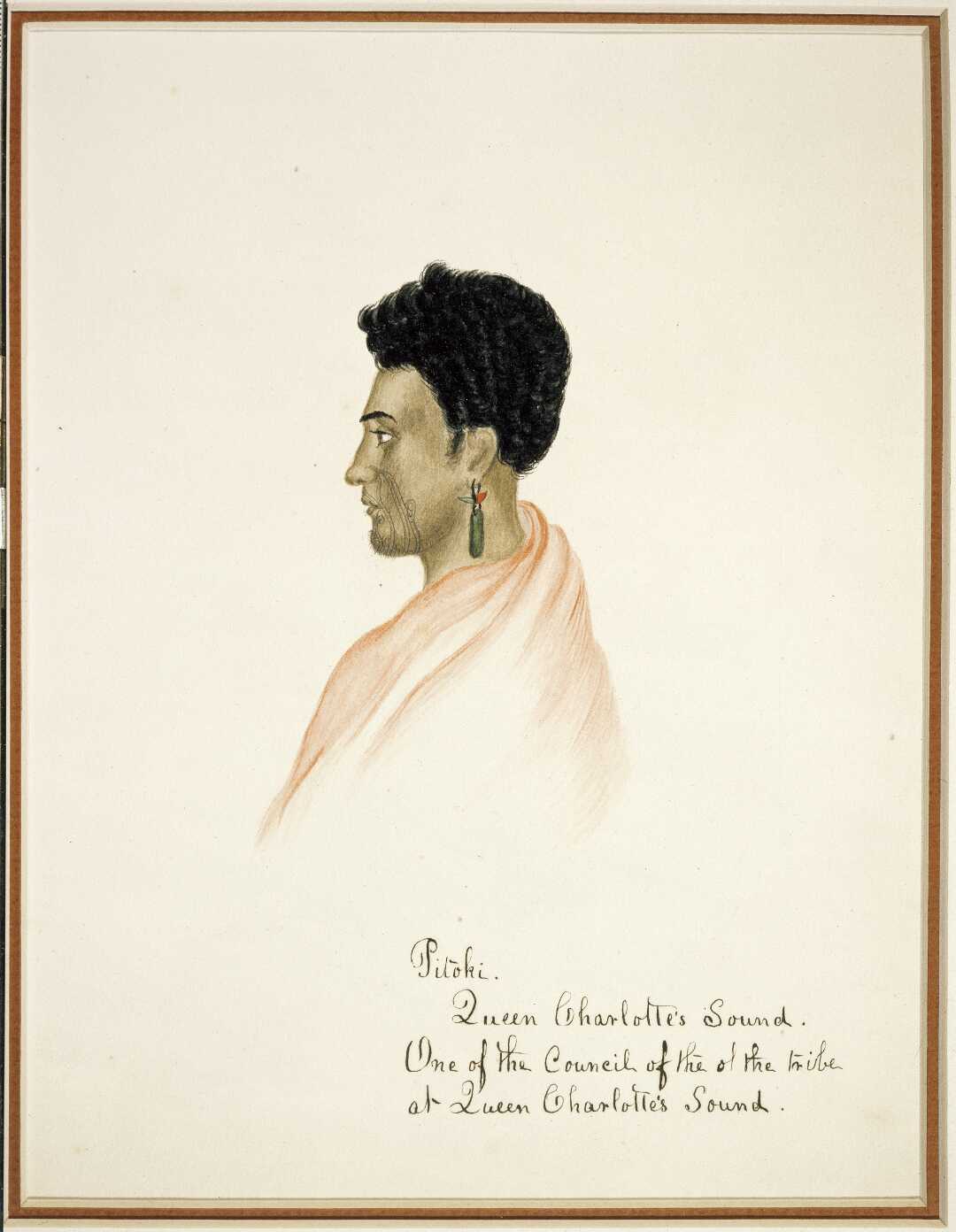
The Treaty of Waitangi & the New Zealand Wars. The Treaty of Waitangi, considered the founding document of New Zealand, was signed in the Bay of Islands on February 6, 1840, by Captain William Hobson, several English residents, and some forty-five Maori rangatira - the first of about 540 chiefs to sign - after ground prepared since 1833 by James Busby, the first British official on the islands, who forged alliances with local chiefs. Its three articles provided for the Maori signatories' acceptance of the British queen's sovereignty, the Crown's protection of Maori possessions with the exclusive right to buy their land, and the promise of the same rights as all British subjects. The treaty matters deeply because it remains the foundational - and continuously contested - constitutional document of modern New Zealand.
In May 1840 Hobson proclaimed British sovereignty over New Zealand, and everything changed: the influx of settlers was so great that land became scarce, and the government bought Maori land at meager prices to sell to settlers at a profit. In 1844 the Northern War broke out when the Ngapuhi chief Hone Heke Pokai - the treaty's first signatory - and his men chopped down the British flagstaff; wider wars followed across the islands until 1872. The British proceeded to confiscate almost half a million hectares of Maori land, some even belonging to tribes that had not fought, devastating Maori economic power for generations - the novelist Anthony Trollope, traveling through New Zealand in 1872 at the end of the war, described what he saw as a people robbed of their future. Twentieth-century treaty settlements would begin the long process of redress.
 Britannica: New Zealand Wars
 Khan Academy: Client Challenge
 National Geographic: Inside the New Zealand Wars: When the Māori battled the British
 UNESCO: The Treaty of Waitangi