 Go Back

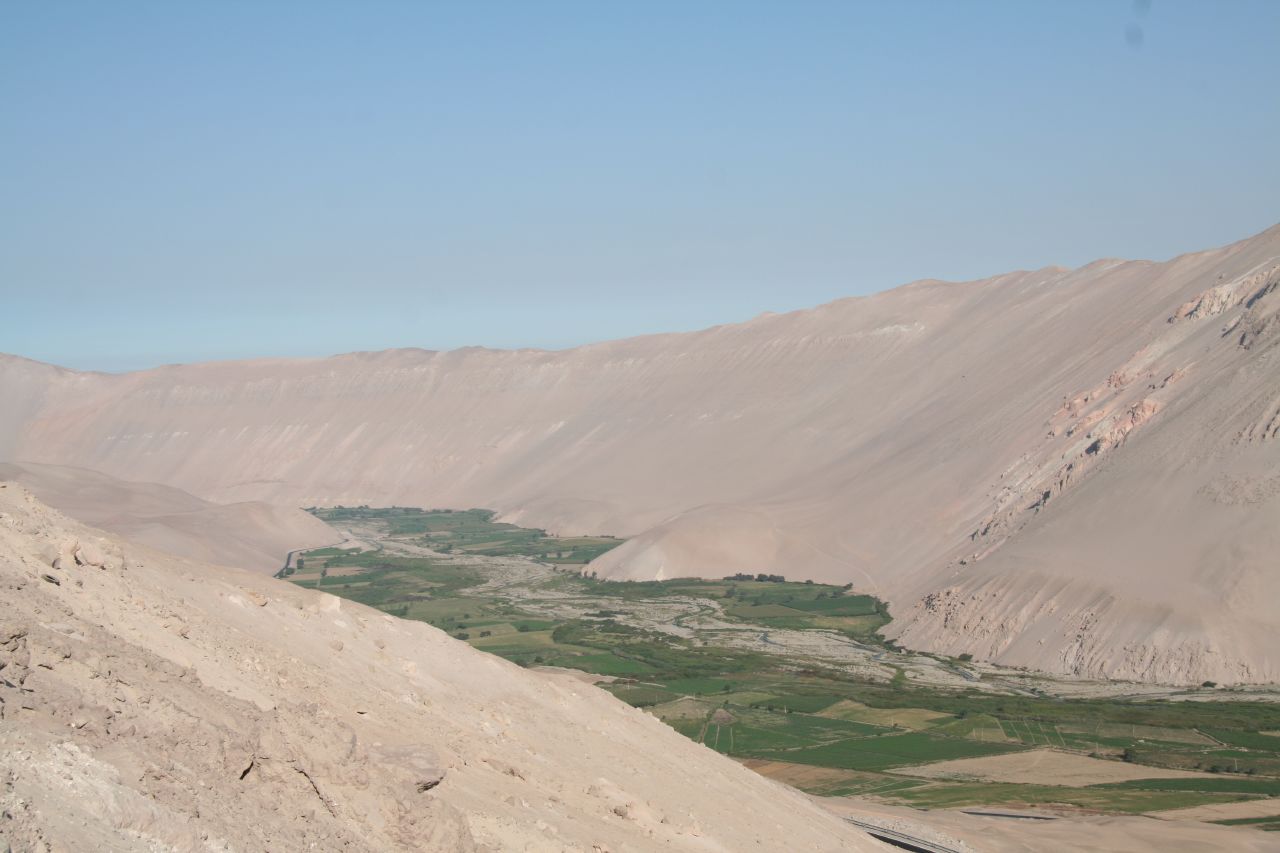
The Chinchorro Culture. On the desert coast of what is now northern Chile and southern Peru, around seven thousand years ago, a people of fishers and hunters did something no one else on earth had yet thought to do: they deliberately preserved their dead. The Chinchorro mummies of Arica and Camarones are the oldest known artificial mummies in the world, older than Egypt's by some two thousand years, and the practice endured for nearly four thousand years, from about 5000 to 1500 BC.
Chinchorro mummification was an astonishing craft. The earliest technique, the black mummies, involved disarticulating the body, removing the soft tissue, reinforcing the skeleton with sticks, and rebuilding the figure with clay and reeds before coating it in black manganese paste; later red mummies were painted over with ochre, their faces masked, their hair made of human wigs. Most striking of all, the Chinchorro did not reserve the rite for kings or priests: they mummified men, women, the elderly - and, with particular care, children and even miscarried infants. It was, it seems, a grief shared by a whole community, not a privilege of rank.
The people themselves lived simply by the standards of later Andean civilization: no farming beyond a little cultivation, no pottery, no metal. They lived on the richest fishing ground in South America, the cold Humboldt Current, harvesting shellfish, sea lions and fish with bone hooks and nets, and hunting inland with spear-throwers. The Atacama Desert preserved what they left: tools, baskets, fishhooks, and the mummies themselves, buried in the dry sand above the shore.
The Chinchorro tradition faded as new cultures, above all the ancestors of the great Andean states, spread through the valleys. But the mummies remained in the desert until modern archaeology brought them to light - some three hundred are known - and in 2021 the settlement and artificial mummification of the Chinchorro culture were inscribed on UNESCO's World Heritage List, honoring the oldest ritual of its kind known anywhere.
 UNESCO: Settlement and Artificial Mummification of the Chinchorro Culture
 Britannica: Chile - Preceramic Period