 Go Back

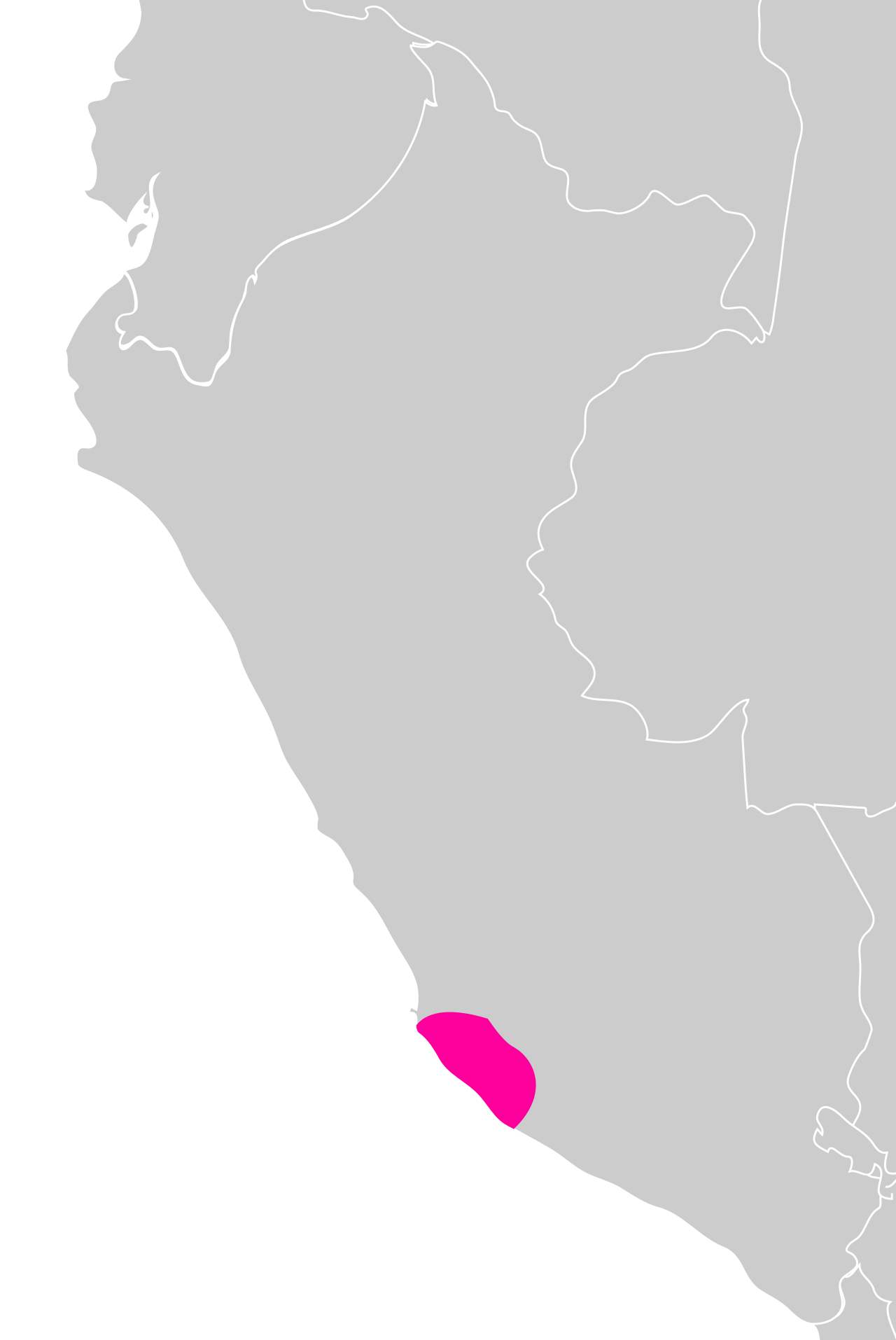
The Nazca Culture. The Nazca culture was an ancient civilization that flourished on the southern coast of Peru between 200 BCE and 600 CE, settling the Nazca valley and its neighbors - the Pisco, Chincha, Ica, Palpa, and Acari valleys - with their principal religious and urban sites at Cahuachi and Ventilla. Cahuachi, on the south bank of the Nazca River fifty kilometers inland, was a site of pilgrimage and the Nazca religious capital, where postholes suggest canopies once protected worshippers from the sun and textile scenes link religious gatherings to harvest festivals. The culture matters above all for the Nazca Lines: great geoglyphs etched into the desert floor - geometric shapes, or animals such as the hummingbird, the spider, even a killer whale - including straight lines up to twenty kilometers long whose exact purpose remains debated, perhaps connecting sacred sites or pointing to water sources.
To survive under the present threat of drought, the Nazca built an extensive network of underground aqueducts, galleries, and cisterns to ensure a good water supply during the dry months. Their pottery is polychrome, sometimes modeled in the culture's later phases, and counted amongst the finest of ancient Peru, decorated with mythical transformational creatures - especially felines - and with trophy-heads, which also appear as miniature border decorations in their textiles; the presence of highland vicuna wool in those textiles is evidence of established trade with the highland cultures. Fine pottery and textiles were buried with the dead, with no particular distinction between male and female graves. In their ceramics, their featherwork, and their vast desert drawings, the Nazca left one of the most distinctive artistic legacies of the ancient Andes.
 Britannica: Nazca
 World History Encyclopedia: Nazca Civilization
 Humanities LibreTexts: 12.17: The Nazca
 Smarthistory: Nasca culture