 Go Back

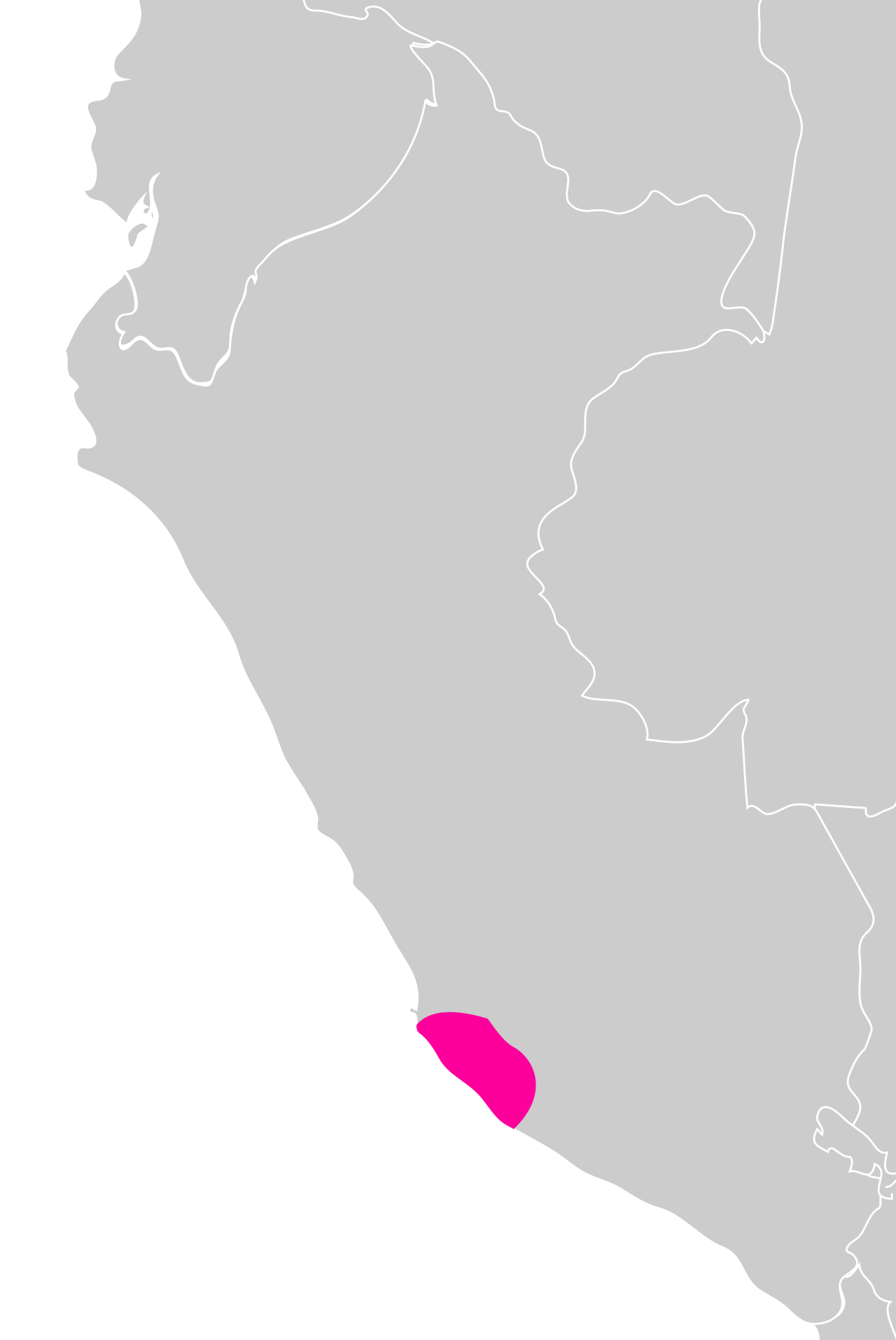
The Nazca Culture. The Nazca culture was an ancient coastal civilization that flourished along the desert valleys of southern Peru from roughly 100 BCE to 800 CE. Centered near the ceremonial pilgrimage center of Cahuachi, they adapted remarkably well to one of the driest environments on Earth. This culture is world-famous for creating the Nazca Lines—massive geoglyphs etched into the desert floor depicting geometric shapes, animals, and plants that can only be fully appreciated from above.
To survive in their hyper-arid environment, the Nazca engineered underground aqueducts known as puquios, which tapped into subterranean water tables to irrigate crops. They produced vibrant, polychrome ceramics featuring intricate mythical creatures and developed advanced textile traditions. Like many coastal Andean cultures, the Nazca suffered heavily from environmental degradation, severe deforestation of native huarango trees, and catastrophic El Niño flooding, which ultimately destabilized their society by 800 CE.