 Go Back

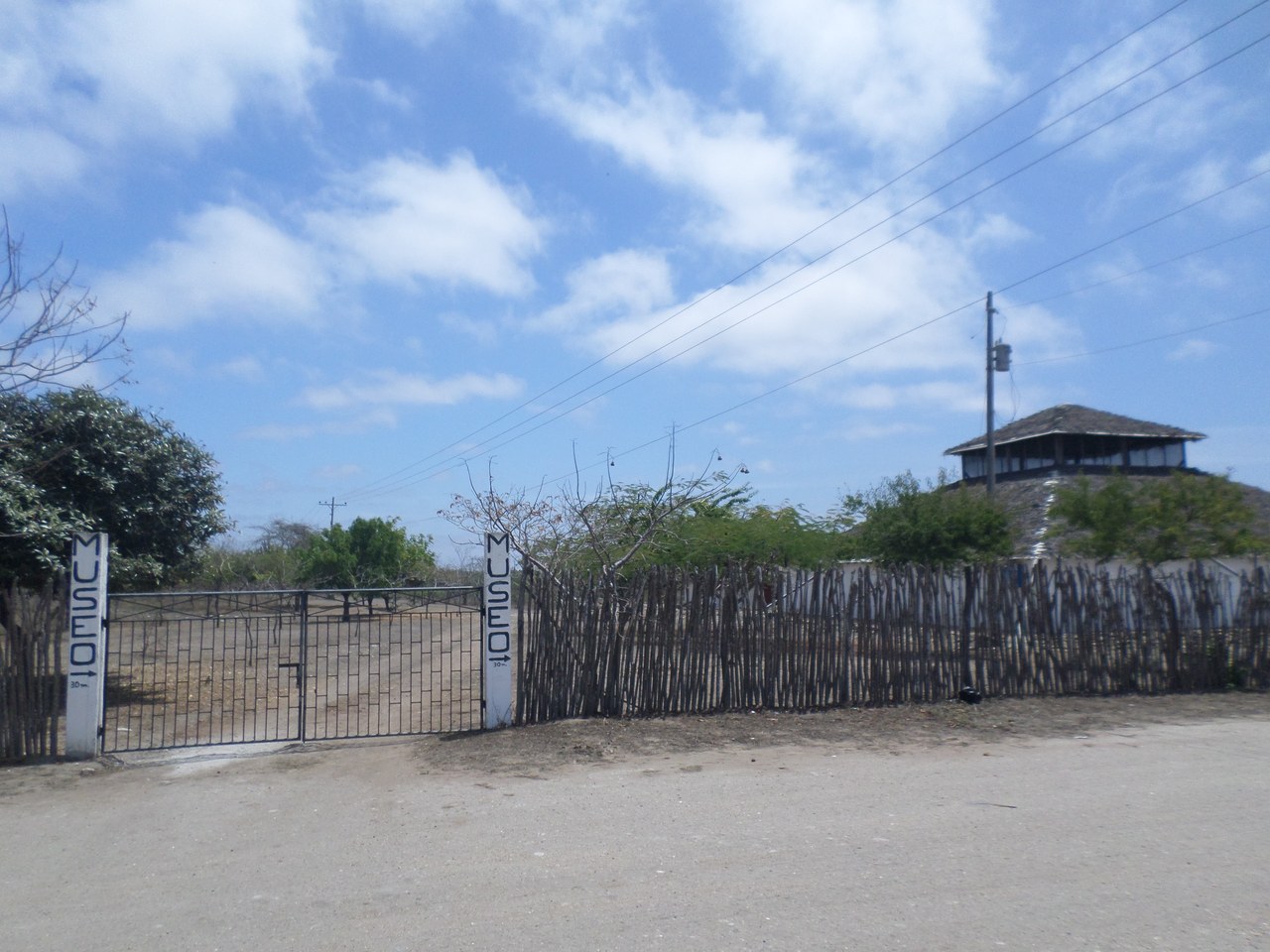
The Valdivia culture of coastal Ecuador produced some of the oldest pottery in the Americas and one of the earliest village societies on the Pacific coast of South America. Flourishing from about 4400 to 1450 BCE along the fertile valleys of what are now Guayas and Manabí provinces, Valdivia communities lived in permanent villages of houses arranged around a central plaza, a layout that suggests organized social life long before cities appeared in the Andes. The largest known site, Real Alto, grew into a substantial ceremonial center with mound structures, housing perhaps a thousand or more people at its height.
Valdivia people were skilled farmers and fishermen. They cultivated maize, beans, squash, and cotton in the river valleys and harvested the rich Pacific waters for fish and shellfish, leaving behind huge shell middens that archaeologists still study. Cotton was especially important, woven into textiles and fishing nets. This mixed economy of farming and fishing supported a settled, growing population centuries before comparable developments elsewhere in the region, and it made the Ecuadorian coast one of the earliest centers of sedentary life in the Americas.
The culture is most famous for its ceramics. Valdivia potters produced elegant bowls and jars decorated with incised geometric designs, and they created thousands of small ceramic figurines, mostly female, often elaborately styled with detailed hairdos. These so-called Venus figurines are among the most celebrated artworks of ancient South America, though their purpose remains debated: they may have been used in fertility rites, healing ceremonies, or household rituals. Some were deliberately broken, perhaps as part of the ceremonies in which they were used.
Valdivia pottery was once thought to show influence from the Jōmon culture of Japan, a theory that has since been discarded in favor of local development. As the culture declined after about 1450 BCE, its traditions fed into the succeeding Machalilla and Chorrera cultures of the Ecuadorian coast, and its ceramic and village-building legacy spread into the wider Andean world. The Valdivia culture demonstrated that complex, settled life on the Pacific coast of South America arose independently and remarkably early, thousands of years before the Inca.
 The Metropolitan Museum of Art: Valdivia Figurines
 Humanities LibreTexts: Valdivia Culture
 Smithsonian National Museum of the American Indian: Valdivia figurines - Infinity of Nations
 Wikipedia: Valdivia culture