 Go Back

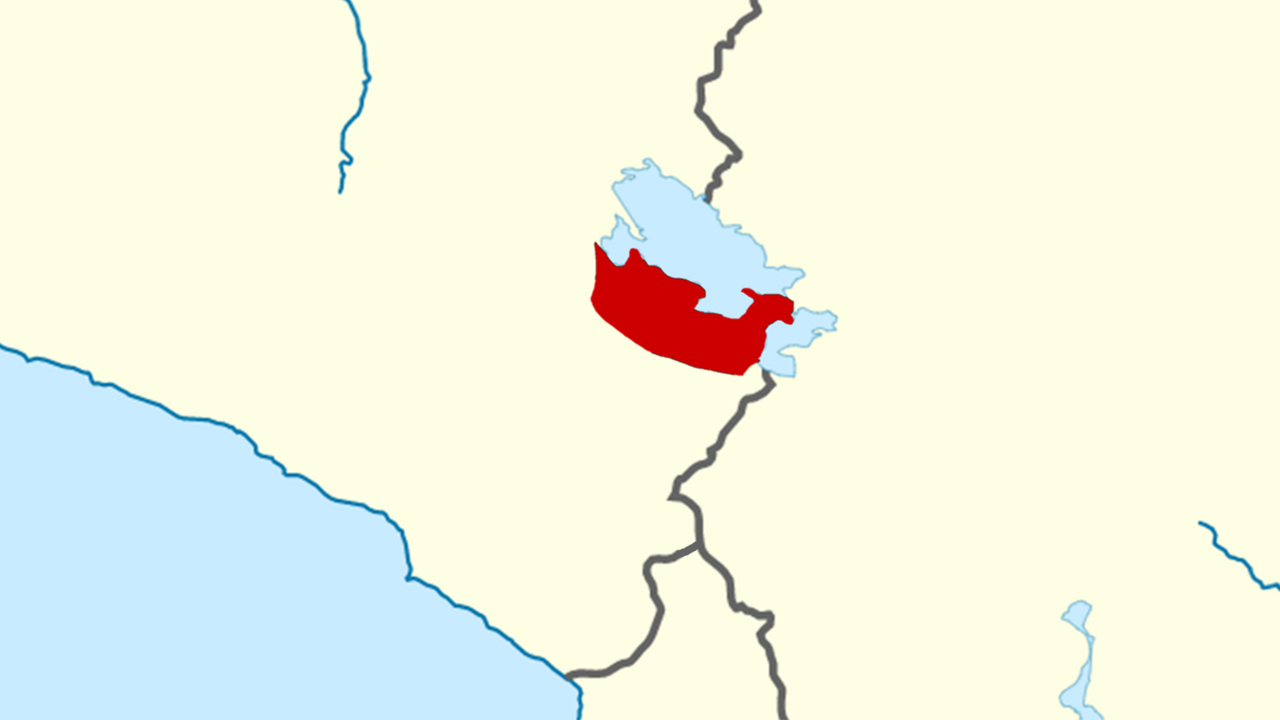
The Aymara Kingdoms. The Aymara kingdoms - also called the lake kingdoms - developed between 1150 and 1477 CE in the high plateau around Lake Titicaca, in the region Andeans called Qullaw, after the disappearance of Tiwanaku left a political vacuum. In its wake, a number of Aymara-speaking, independent, and rival kingdoms emerged, among them the Lupaca, the Colla, the Pacajes, and the Azangaros. Their world was divided between Urcosuyu - 'male, fire' - on the western side of the lake and Umasuyu - 'female, water' - on the eastern side, and their societies often had two leaders apiece; most of these kingdoms buried their leaders in tower-shaped mausoleums, and each held lands at different altitudes in what scholars call a 'vertical archipelago'. These kingdoms matter because they kept the Andean altiplano's ancient ways alive through the centuries between empires, and their lords would play decisive roles in the fate of the Inca.
The kingdoms warred constantly - above all the rivalry between the Aymara kurakas of Chucuito, of the Lupaca kingdom, and Hatunqulla, of the Colla kingdom. When the Inca pressed south, the Lupaca leader Cari faced the Colla leader Chuqui Capac, who attacked the Lupacas near Paucarcolla before the Inca army arrived; after a long battle near Hatunqulla, Chuqui Capac was taken prisoner, and the Colla lands were subdued - some by force, others peacefully. Destroyed towns were repopulated with mitmakunas, resettled colonists, and the Aymara kingdoms accepted the dominion of Cuzco while keeping their lands and their far-off colonies in the eastern mountains. That arrangement survived until the first years of the Spanish conquest, when the kingdoms' territorial and political dismemberment began.
 Britannica: Colla
 Smithsonian Institution: The Great Inka Road: Engineering an Empire
 The Metropolitan Museum of Art: Wari Imperial Art
 UNESCO: Safeguarding intangible cultural heritage of Aymara communities in Bolivia, Chile and Peru - UNESCO Intangible Cultural Heritage