 Go Back
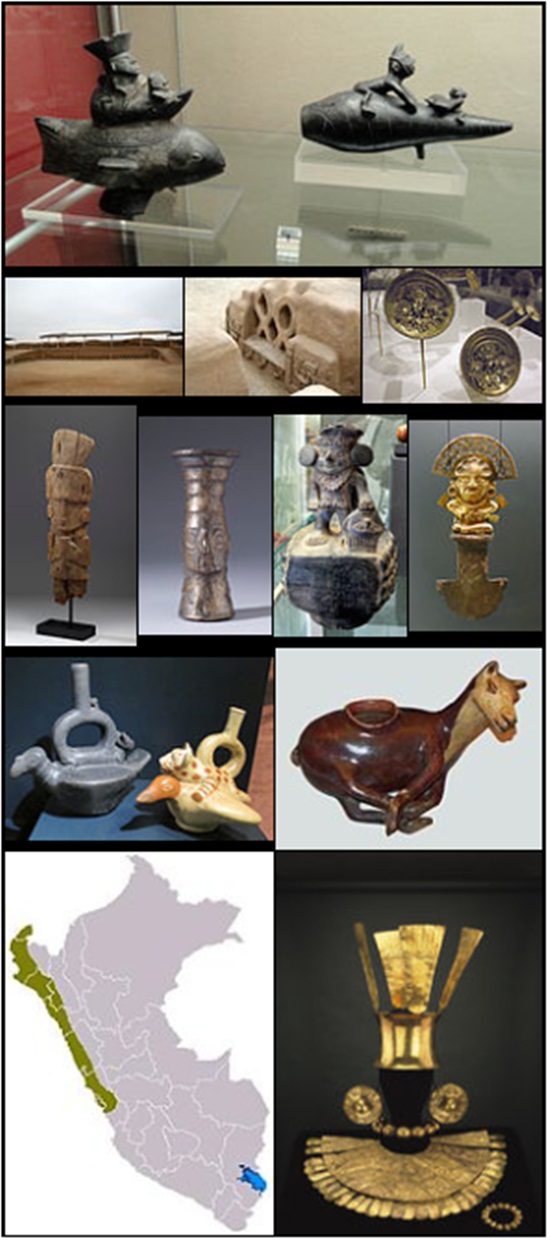
The Chimú Empire. The Chimú Empire was a powerful coastal state that dominated the northern coast of Peru from roughly 900 to 1470 CE, emerging out of the earlier Moche culture. Centered at the massive capital city of Chan Chan—the largest adobe brick metropolis in the pre-Columbian Americas—the empire spanned over five hundred miles of arid coastline. This empire matters because it developed extraordinary urban planning, intricate silver metallurgy, and complex canal networks that turned dry desert river valleys into productive agricultural zones.
Governed by an absolute monarch, Chimú society was strictly hierarchical, housing its elites in massive, walled palace compounds known as ciudadelas. They established a state-managed economy that regulated trade, textile production, and specialized metalworking across conquered valleys. The Chimú maintained a strong regional hegemony until the late 15th century, when the expanding Inca Empire under Topa Inca Yupanqui cut off their vital upland irrigation canals, forcing the empire to surrender and integrate into Tahuantinsuyu.