 Go Back

The Diaguita. In the dry valleys that cut between the Andes of northwestern Argentina and northern Chile, the Diaguita built one of the most distinctive cultures of the pre-Columbian south. From around AD 900 they terraced the steep valley sides, drew irrigation canals from the snowmelt rivers, and raised maize, beans and quinoa in one of the driest inhabited regions on earth. Their villages of stone and adobe climbed the hillsides; their largest, the Quilmes citadel of the Calchaqui valleys, held several thousand people within its rings of walls and terraced fields.
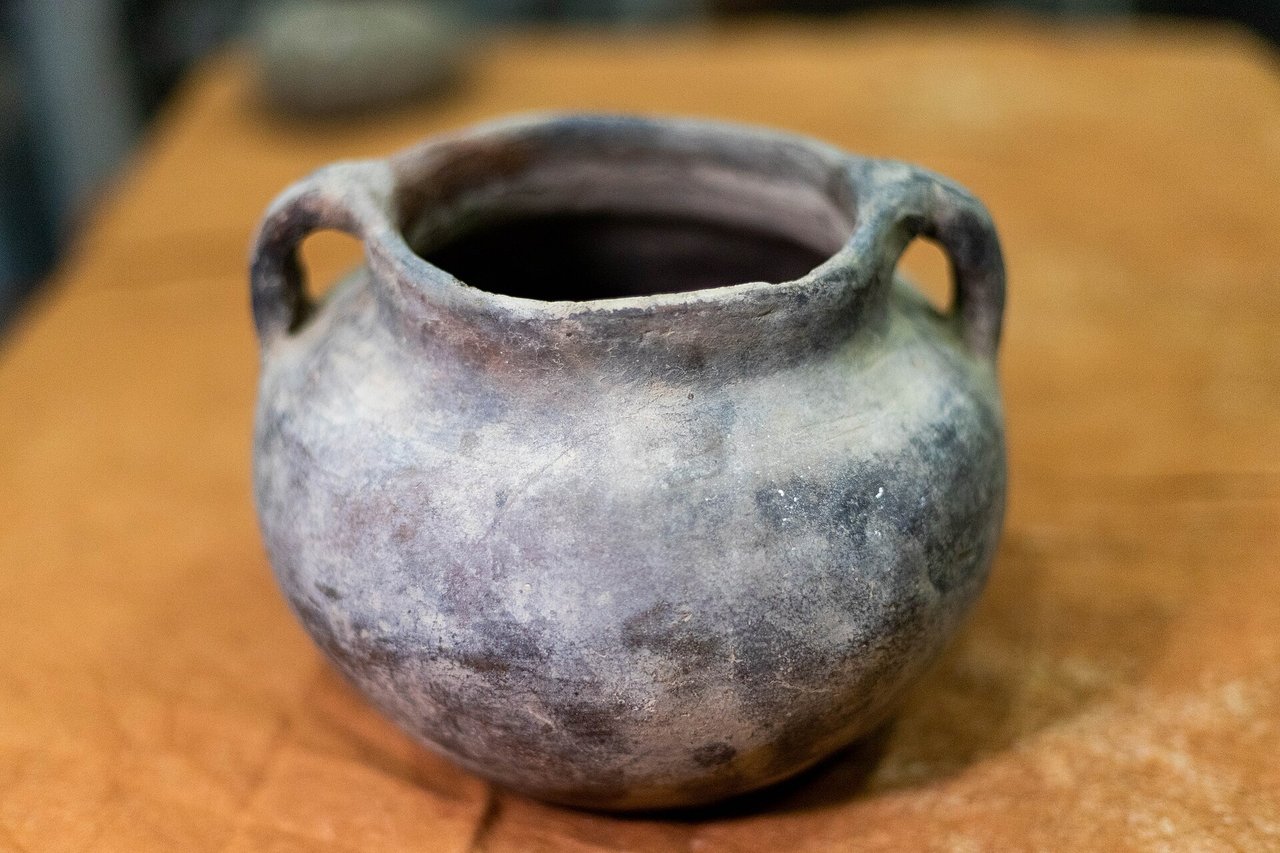
The Diaguita were master potters: their funerary urns, painted in black, white and red with geometric designs and stylized faces, are among the finest ceramics of ancient South America. They worked copper and bronze, herded llama, and their chiefs ruled valley confederations linked by kinship and trade across the cordillera. Their society was organized and warlike, and their hilltop strongholds - pucaras - commanded every approach to the valleys.
Around 1470 the expanding Inca Empire came down the valleys and, after hard fighting, absorbed the Diaguita lands. The conquerors deported whole communities - the empire's device of resettlement - and imposed their own officials and gods, yet Diaguita identity endured under the new order. When the Spaniards arrived a lifetime later, it was the Diaguita who met them with the longest and fiercest resistance in the south: the Calchaqui Wars, above all the great rising of the 1630s and the long guerrilla of the chief Pedro Chamijo, held the valleys against Spain for over a century.
The last Diaguita resistance was broken in the 1660s, and defeat and deportation scattered the people - many were carried as far as the environs of Buenos Aires. The valleys' identity, though, never died: the Diaguita are today a recognized indigenous people of Argentina and Chile, and the ruins of Quilmes, rising against the Calchaqui hills, remain the monument of a nation that fought two empires in turn.
 Britannica: Diaguita
 Encyclopedia.com: Diaguitas