 Go Back

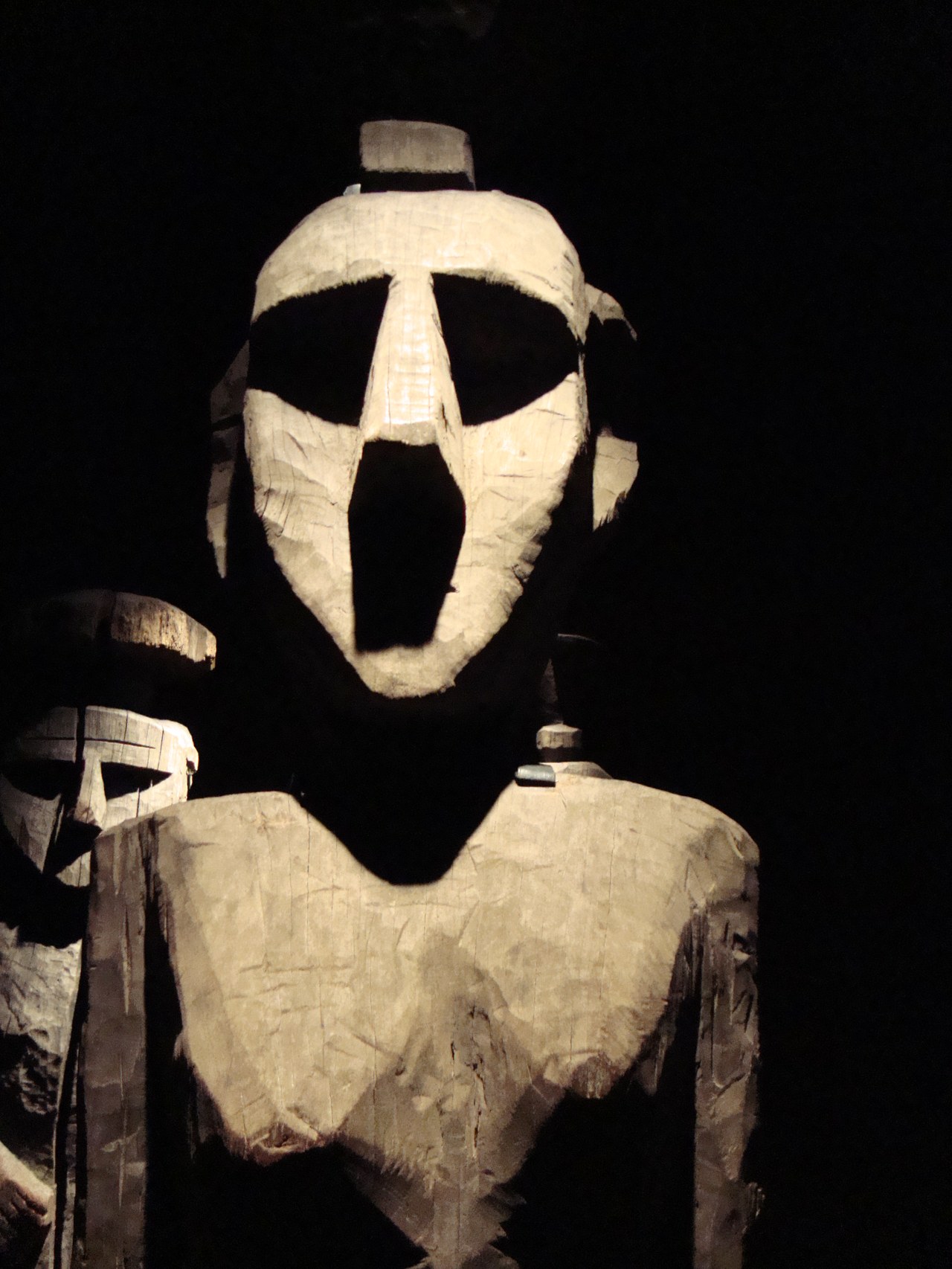
The Mapuche, the people of the land, developed in the valleys and forests of south-central Chile into one of the most resilient Indigenous societies of the Americas. Their ancestors had inhabited the region for thousands of years, and by about 600 CE their communities were settling into farming life, cultivating maize, potatoes, quinoa, and beans and raising llamas. The Mapuche never formed a centralized state. Instead they lived in scattered, largely autonomous communities organized around extended families, each led by a lonko, or headman, with religious life guided by shamans called machi, usually women.
Mapuche society was decentralized but far from primitive. Communities gathered for collective labor, feasts, games, and councils where disputes were settled and war leaders chosen. Their world stretched from the Itata River south toward Chiloé, encompassing coastal ranges, fertile central valleys, and the northern edges of the rainy southern forests. They traded with peoples of the Andes and the Argentine pampas, adopting technologies and ideas while fiercely guarding local independence. Silver work later became a Mapuche hallmark, with elaborate jewelry worn by women of status.
The first empire to test Mapuche independence was the Inca. In the late fifteenth century, Inca armies pushed south through Chile, incorporating the northern valleys as far as the Maule River. At the Maule they met the Mapuche and their allies, and after a major battle, commonly placed around the 1470s-1480s, the Inca advance stopped. The Maule became a frontier: north of it lay the Inca province of Chile, south of it the unconquered Araucanía. The Mapuche learned from the encounter, adopting some Inca military and political ideas while rejecting Inca rule.
When the Spanish arrived in the 1540s, they found no emperor to capture, only hundreds of determined communities. The Mapuche destroyed the first Spanish towns in the south and in 1553, under the toqui Lautaro, defeated and killed the conquistador Pedro de Valdivia. Thus began the Arauco War, which would burn for three centuries, the longest resistance in the Americas. The Mapuche remained independent in their heartland until the 1880s, and today they are the largest Indigenous people of Chile, still defending land and language.
 Wikipedia: Mapuche history
 Encyclopedia.com: Araucanians (Mapuche)
Country Studies (Library of Congress): Chile: The Indigenous Population
 Mapuche International Link: Mapuche Nation