 Go Back

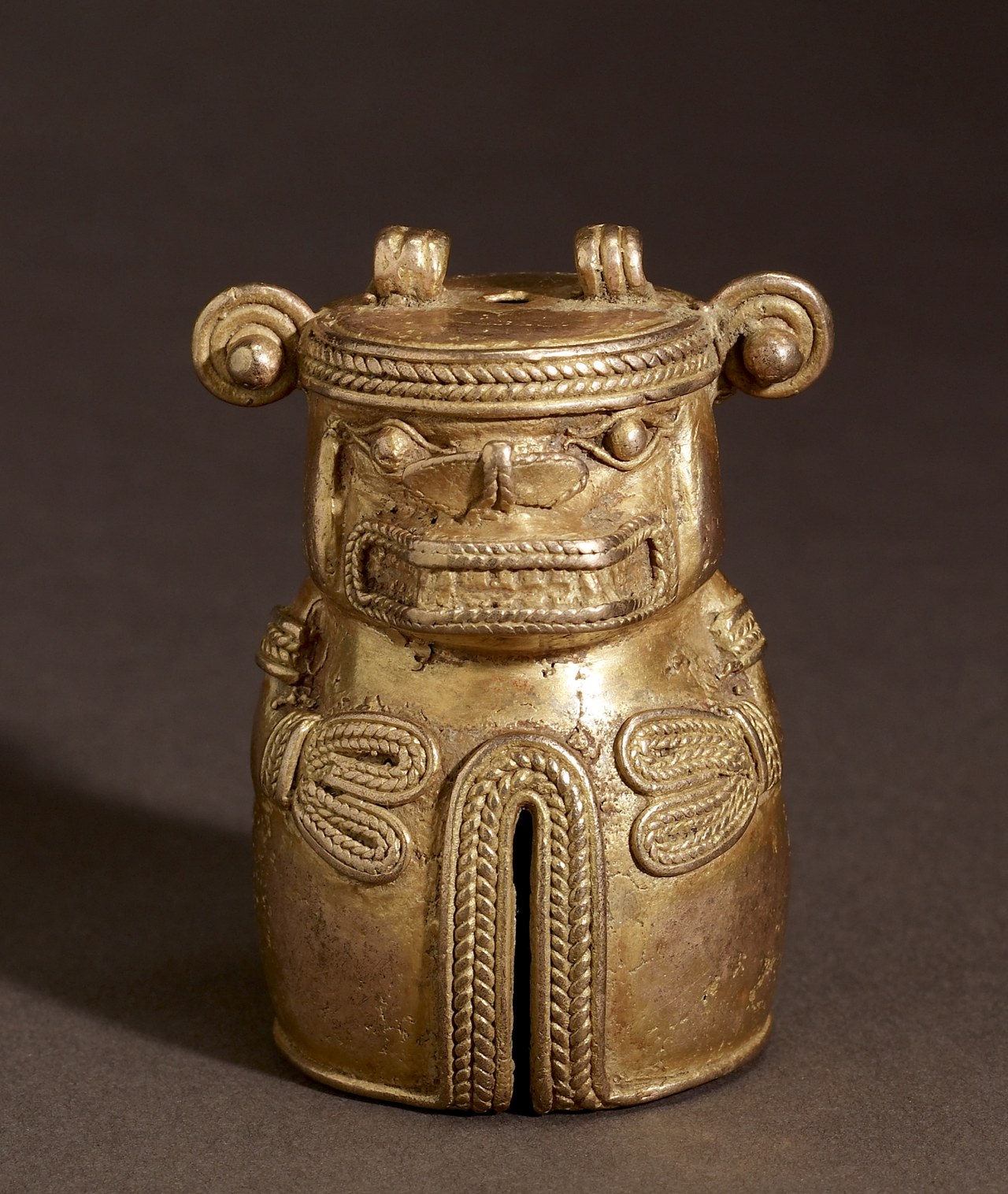
The Tairona civilization flourished on the Caribbean slopes of the Sierra Nevada de Santa Marta in Colombia, building stone cities on jungle ridges and crafting some of the finest goldwork of the ancient Americas. From the early centuries CE, Tairona communities terraced the steep mountainsides of the world's highest coastal mountain range, creating a network of stone-paved paths, plazas, stairways, and circular house platforms. At its height around 1000-1500 CE, the Tairona population may have numbered in the hundreds of thousands across the Sierra Nevada's northern slopes.
The most famous Tairona site is Ciudad Perdida, the Lost City, known to the local Kogi people as Teyuna. Built from about 800 CE, it consists of over two hundred stone terraces linked by stairways, crowning a ridge deep in the forest. It was rediscovered by looters in the 1970s, sparking a treasure rush before the government secured the site. Other major centers included Pueblito and Bonda. Tairona towns were connected by stone roads that ran along the ridgelines, parts of which still survive and are used by Indigenous communities today.
Tairona artisans were master goldsmiths, working in the lost-wax technique to cast intricate pendants of bat-men, jaguars, and shamans in tumbaga, a gold-copper alloy. Their ceramics included incised blackware jars, and they carved stone batons, beads, and ceremonial seats. Tairona religion centered on the Sierra Nevada itself, regarded as the heart of the world, with priests maintaining cosmic balance through ritual. This worldview survives strikingly intact among the Kogi, Arhuaco, Wiwa, and Kankuamo peoples, the Tairona's direct descendants, who still farm the same terraces and walk the same stone paths.
Spanish contact brought catastrophe. Coastal Tairona towns were drawn into the pearl and slave trades, and from the 1520s Spanish expeditions pushed inland, meeting stiff resistance. After decades of war, the surviving Tairona withdrew into the high Sierra, where their descendants preserved their traditions in isolation for centuries. Today the Kogi and their neighbors are recognized as guardians of the Sierra Nevada de Santa Marta, and Ciudad Perdida, reached by a multi-day jungle trek, has become one of South America's great archaeological destinations.
 Encyclopedia.com: Tairona
 Enciclopedia Banrepcultural: Tairona
 Wikipedia: Tairona
 Journal of Field Archaeology: Tairona settlement research