 Go Back

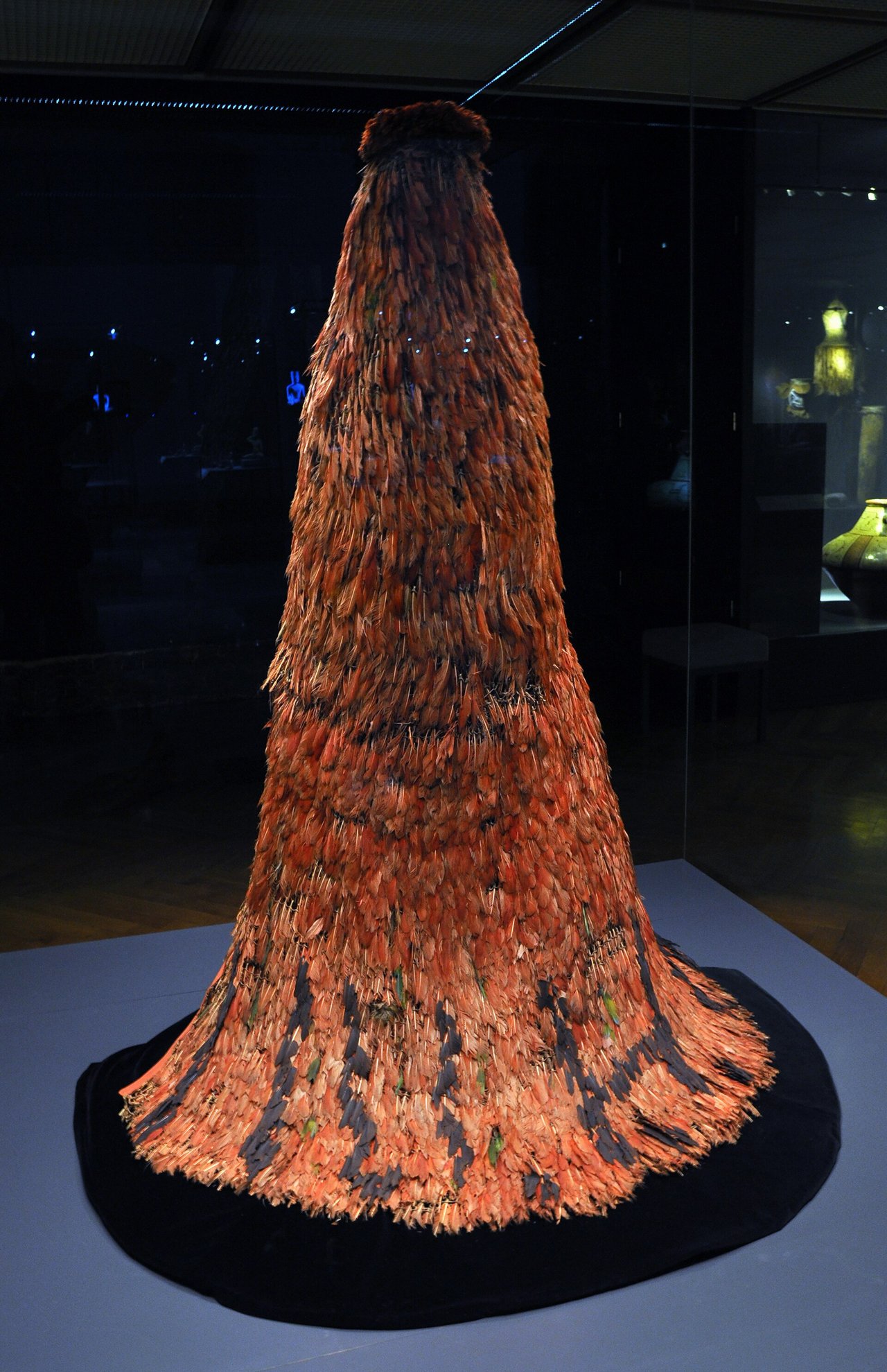
The Tupinamba. When the Portuguese first sailed down the coast of Brazil around 1500, the people who watched them from the beaches were the Tupinamba, the most numerous and formidable nation of the coastal forests, kin to the Guarani and speakers of a Tupi language. From the Amazon's mouth to Sao Vicente their villages of palm-thatched longhouses commanded the shores that Portugal would claim: warlike, skilled canoe-men, farmers of manioc, and the makers of the red featherwork capes that became the first treasures of Brazil in the cabinets of Europe.
Tupinamba society turned on the vendetta between villages and the fate of war captives. Prisoners might live for years among their captors, married and honored, before the great communal ritual of execution and the feast that followed - the practice that so appalled and fascinated the first Europeans that the name of the Tupinamba became a byword for cannibalism in sixteenth-century Europe. Yet the same coast produced the century's most extraordinary eyewitness accounts: the German gunner Hans Staden, held captive among them, and the French Calvinist Jean de Lery, whose memoir of living in a Tupinamba village is a founding text of anthropology.
The first decades of contact were a bewildering traffic: French traders from Honfleur and Huguenot settlers of Antarctic France at Rio allied with the Tupinamba against the Portuguese, and the Tupinamba fought on both sides of the European quarrel, masters of their coast for sixty years. Mem de Sa's destruction of the French at Rio in 1567 and the smallpox that followed broke their power; disease, slavery and war then consumed the coastal villages within a century.
The Tupinamba of the coast vanished as a nation, absorbed into missions and plantations or driven into the interior, where related Tupi peoples survived. Their language lived on as the lingua geral, the lingua franca of colonial Brazil, spoken by Portuguese and mameluco for two centuries, and their words - for the animals, plants and foods of Brazil - entered Portuguese itself: jaguar, tapioca, piranha, toucan.
 Britannica: Tupinamba
 Encyclopedia.com: Tupinamba