 Go Back

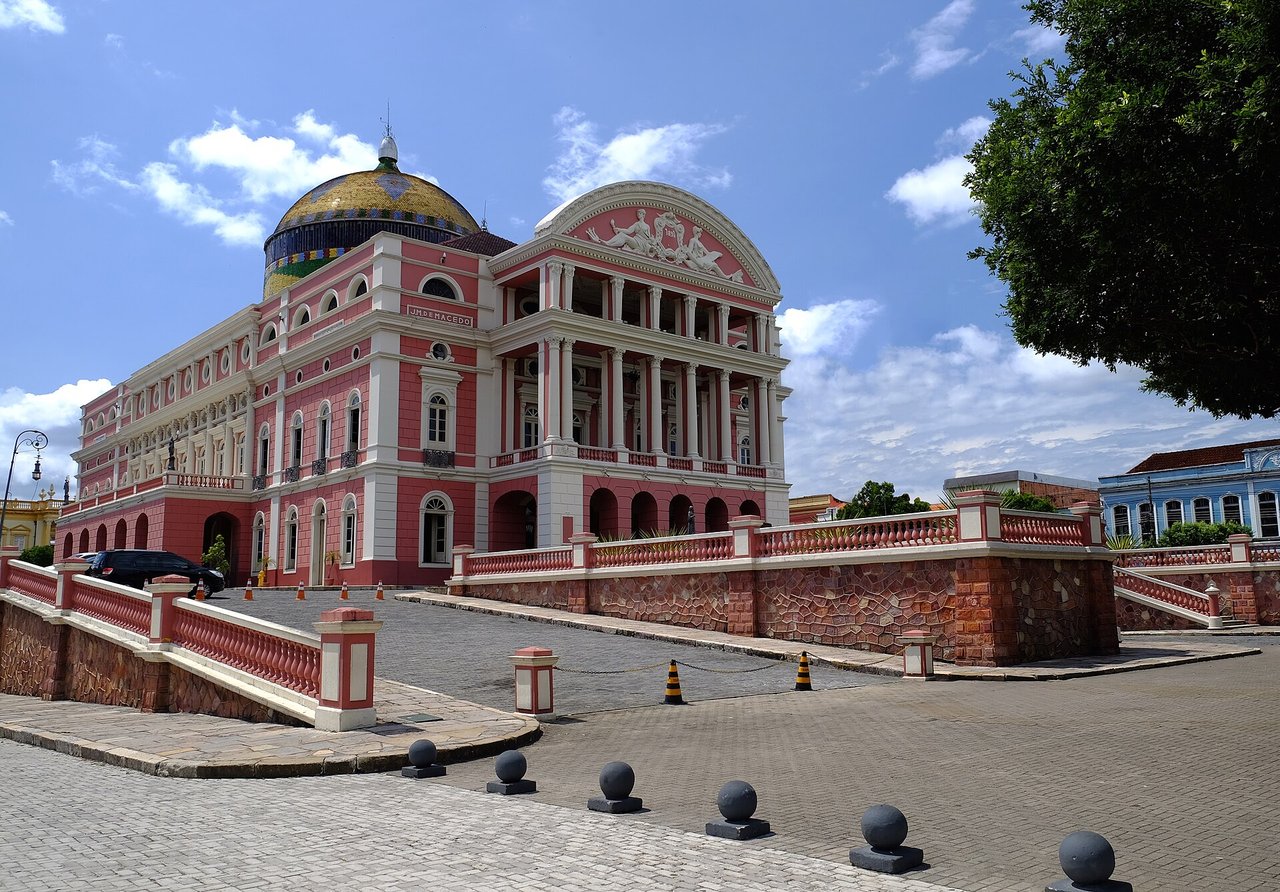
The Amazon Rubber Boom. Deep in the Amazon forest, the Hevea tree wept a white sap that the peoples of the forest had used for centuries - and which the industrial world, from the 1880s, suddenly could not live without: rubber for the tires of the bicycle and then the automobile. The only place on earth it grew wild was the Amazon, and for thirty years the basin of the greatest river became the scene of one of the most feverish booms in history. Manaus, a river-port of a few thousand, became by 1900 a city of electric trams, electric light and an opera house in Italian marble, where the rubber barons lit cigars with banknotes.
Behind the opera house was the rubber estate, and behind the estate, the seringal. The system was debt-slavery in the green hell: collectors - tappers - recruited from the drought-starved northeast of Brazil and from the indigenous peoples, carried hundreds of miles upriver, bound by debts to the trading houses, and set to walk the estradas through the forest from tree to tree, bleeding the latex into cups. Mortality was enormous; and where labor would not come, it was hunted: the enslavement and extermination of the forest peoples, above all in the Putumayo, reached a savagery that Roger Casement's report of 1912 exposed to a horrified world.
The boom made and unmade nations' maps: Bolivia's Acre territory, rich in rubber, was taken over by Brazilian tappers who proclaimed their own republic and, after three wars of skirmish, were bought out by Bolivia's sale of Acre to Brazil in 1903. Iquitos in Peru, Leticia, and a hundred river towns lived on the latex price; a third of the Amazon's people, by some counts, were gathered into the seringais.
It ended as suddenly as it rose. In 1876 the Englishman Henry Wickham had carried seventy thousand Hevea seeds from the Tapajos to Kew Gardens, and by 1913 the plantations of British Malaya - orderly, efficient, safe - had broken the wild rubber price forever. Manaus's opera house closed its doors; the barons vanished; the forest towns went back to the river. The boom left the Amazon's boundaries drawn, its peoples decimated, and its cautionary tale: the jungle's riches, the Brazilians say, are caboclo's gold - gone in a hand's turn.
 Britannica: Manaus
 Encyclopedia.com: The Rubber Industry
Britannica: Roger Casement