 Go Back

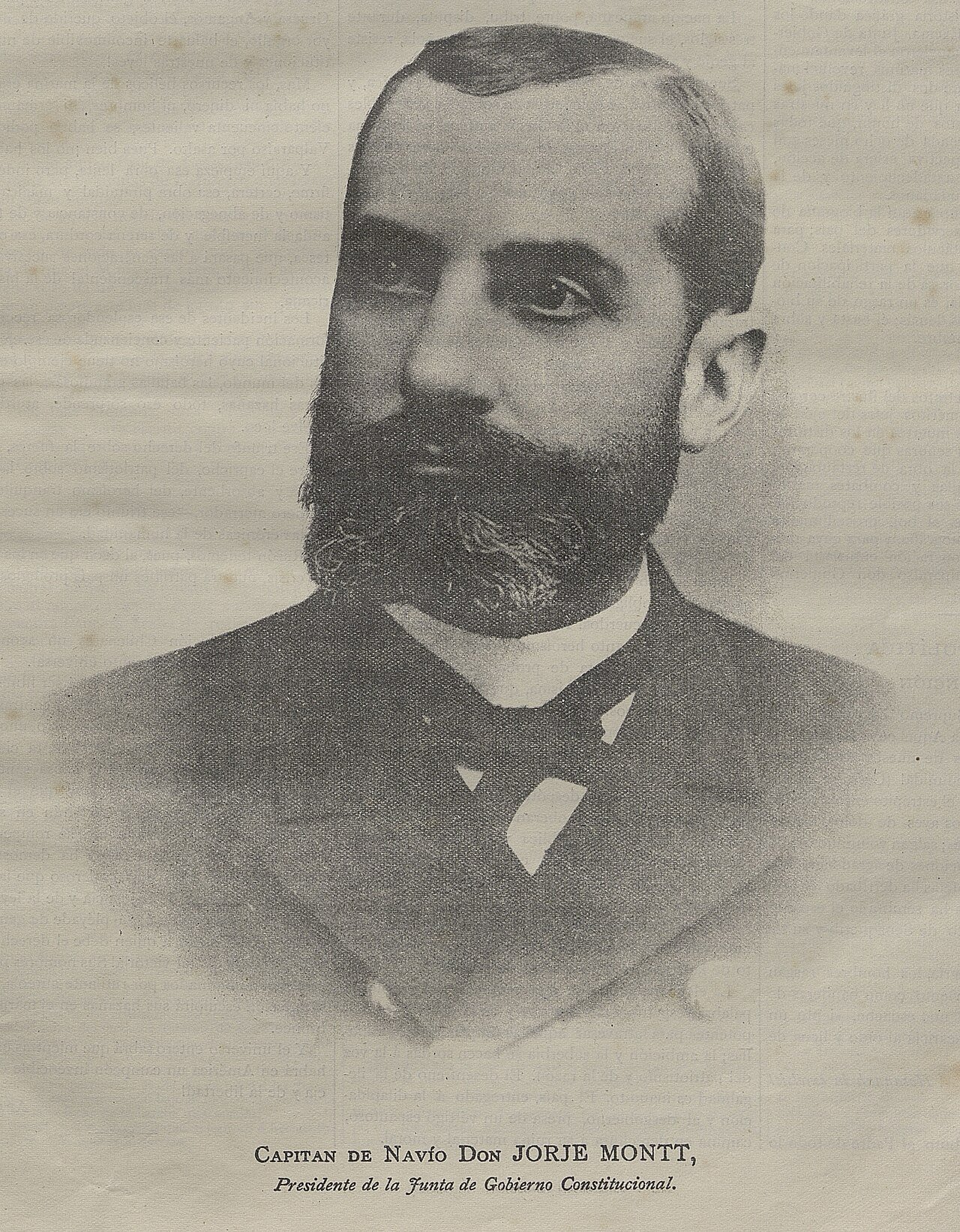
Chile's Civil War of 1891. Chile after the War of the Pacific was the dominant power of the South Pacific, rich on nitrate - and locked in a constitutional duel between its president and its congress. Jose Manuel Balmaceda, elected in 1886, was a president of grand designs: railways, schools, public works on a scale the nitrate boom could finance, and a determination to keep the nitrate wealth in Chilean hands. To a congress of nitrate interests and parliamentary principle, he was a would-be dictator; when it refused him a budget, he ruled without one, and in January 1891 congress proclaimed him deposed.
The country split by its armed forces: the navy declared for congress, the army for the president. The congressional squadron seized the nitrate ports of the north, raised an army of its own, and in eight months of war - the battles of Concon, where the congressionalists stormed ashore, and Placilla, in August 1891 - destroyed the presidential army. Perhaps ten thousand died, among them the flower of two generations of Chilean officers, many killed by their own cadets and classmates.
Balmaceda would not survive his defeat. Sheltering in the Argentine legation as the victors entered Santiago, he wrote his testament - I am not defeated, my cause will triumph - and shot himself on 19 September 1891, the day after his legal term ended. His death made him what his life could not: the martyr of the presidential ideal, and the idol of every later Chilean strongman.
The victors built the Parliamentary Republic that ruled Chile for a generation: a government by party caucus and cabinet crisis, nicknamed by its enemies the rule of the senores. It brought prosperity, corruption and drift until the new century's discontents swept it away, but 1891 settled the central question of the Chilean state - no king in Santiago - at a price in blood that Chileans never forgot, in the only civil war Chile has fought as a republic.
 Britannica: Jose Manuel Balmaceda
 Memoria Chilena: La Guerra Civil de 1891
Britannica: Chile - The Parliamentary Republic