 Go Back

Chile emerged from the War of the Pacific (1879-1884) with a prize that transformed it: the nitrate deserts of Bolivia and Peru. The Atacama held the world's greatest deposits of sodium nitrate, the era's indispensable fertilizer and an ingredient of explosives. Foreign, mostly British, capital developed the oficinas, the desert processing plants, and nitrate taxes soon supplied half or more of the Chilean state's revenue. The new wealth made Chile the dominant power on the Pacific coast, but it also sharpened the struggle between president and congress over who would control the bonanza.
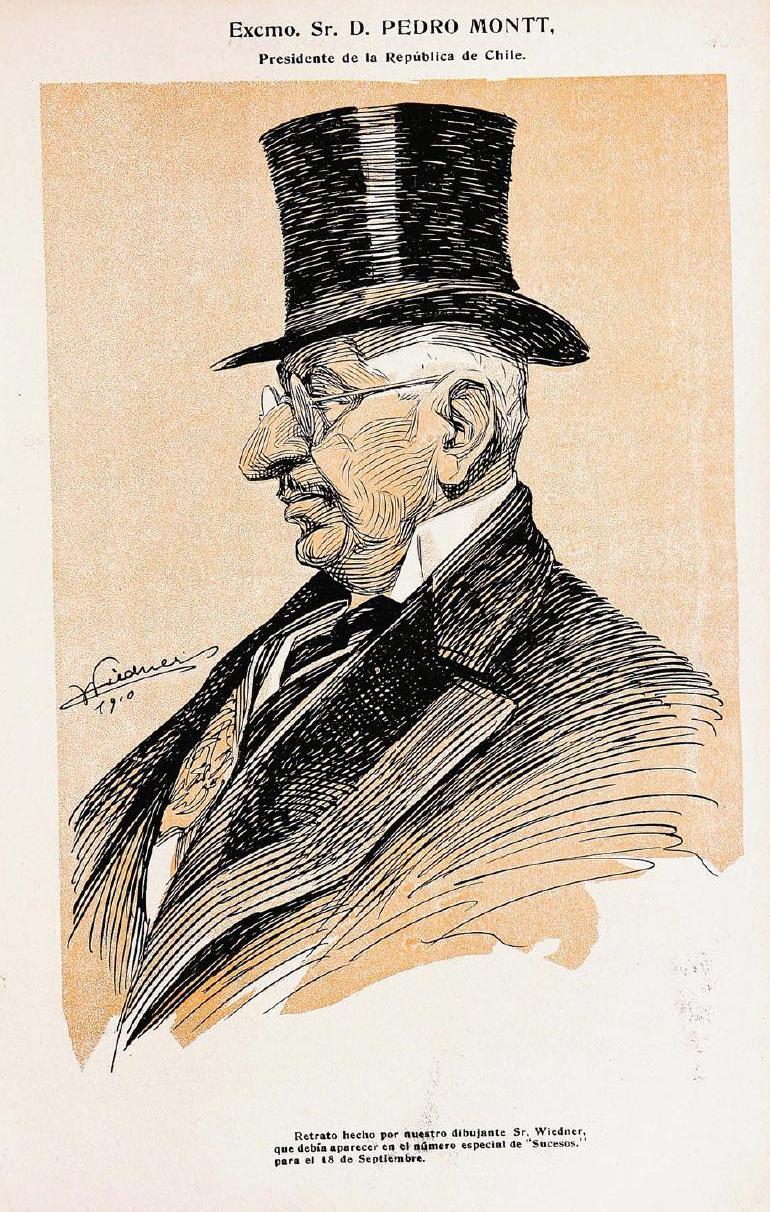
That struggle exploded in 1891. President Jose Manuel Balmaceda, determined to spend nitrate revenue on railways, schools, and public works, defied a hostile congress, which declared him deposed. Civil war followed, and the congressional forces, backed by the navy and nitrate interests, crushed the presidential army in months; Balmaceda took his own life as his term ended. The victors built the Parliamentary Republic, an era from 1891 to the 1920s in which presidents were figureheads and cabinets rose and fell on votes of a fractious congress. Real power lay with shifting coalitions of Conservative, Liberal, and Radical bosses.
The nitrate age created a new working class and a new social question. In the bleak desert pampa, tens of thousands of workers, the rotos of Chile and Peru and Bolivia, labored in brutal conditions, paid in tokens redeemable only at company stores. Their strikes were answered with troops: in 1907 the army massacred hundreds, perhaps thousands, of striking workers and their families at the Santa Maria School in Iquique, a wound the labor movement never forgot. Unions and mutual aid societies spread, and the Democratic Party and a growing workers' federation carried the miners' demands into politics.
After the First World War, the system broke down. Competition from synthetic nitrate weakened demand for Chilean natural nitrate, and oficinas closed across the desert. Economic crisis met political paralysis: congress obstructed reform, and governments fell almost yearly. In 1920 the voters rallied behind Arturo Alessandri, the Lion of Tarapaca, who promised labor laws and social reform, but the old parliament strangled his program. In September 1924 young army officers, tired of the deadlock, rattled their sabres in the galleries of congress itself and forced reforms through; Alessandri left the country. The Parliamentary Republic was finished, and the age of military intervention had begun.
 Library of Congress Country Studies - Chile: The Parliamentary Republic
 Biblioteca del Ministerio de Hacienda de Chile - 1880-1925: el periodo parlamentario
 Hispanic American Historical Review - Nitrate Crises and the Chilean State