 Go Back

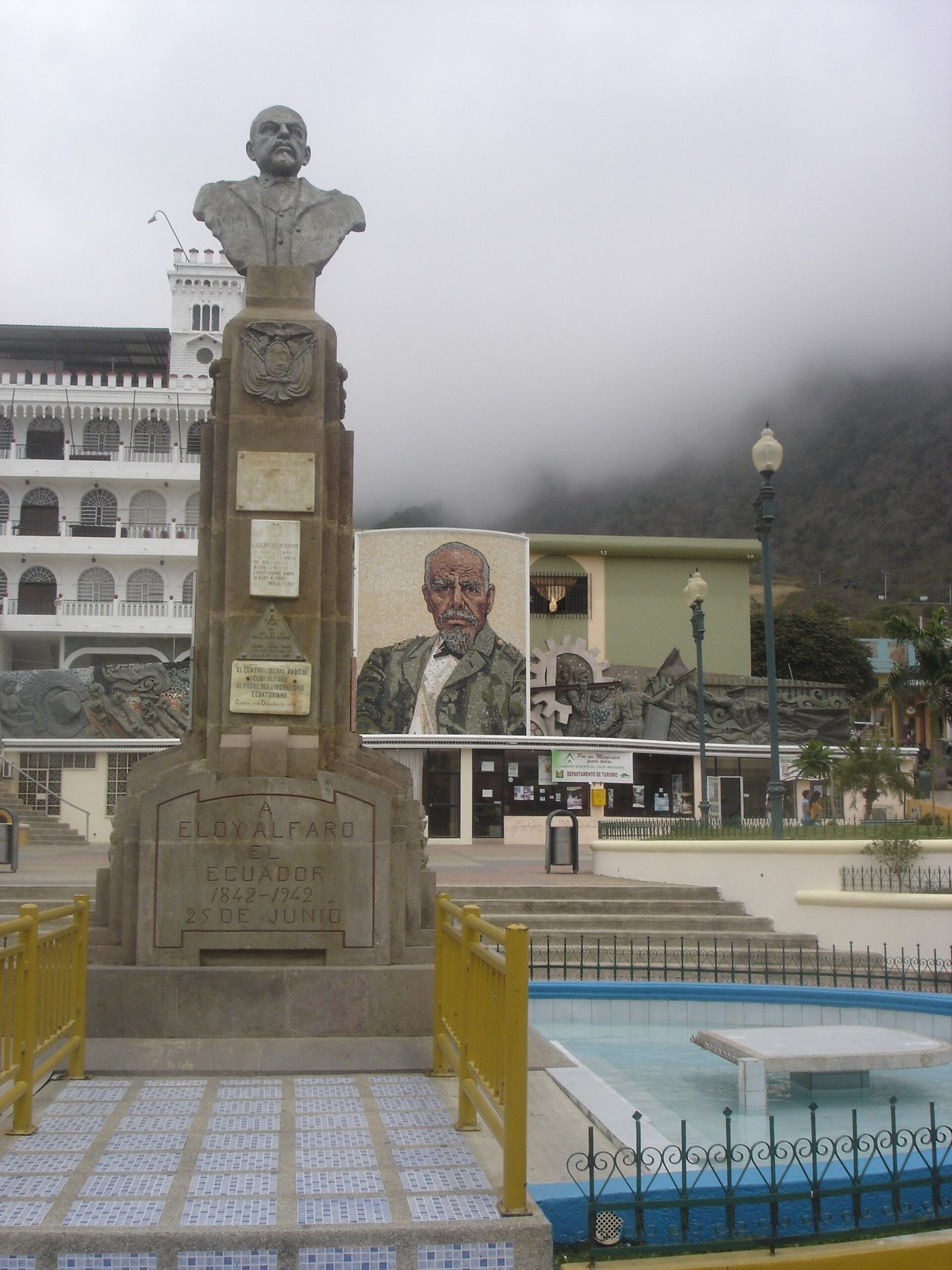
Ecuador's Liberal Revolution of 1895. For a generation Ecuador had been the most clerical state in the Americas: Gabriel Garcia Moreno, the devout strongman assassinated on the cathedral square in 1875, had consecrated the republic to the Sacred Heart, made the Church the partner of the state, and left his conservative successors ruling a theocracy in miniature. In 1895, after a stolen election, the coast rose. Guayaquil - liberal, commercial, anticlerical, and long resentful of the mountain capital - proclaimed the revolution, and General Eloy Alfaro, the veteran radical in exile, came home to lead it.
The revolution was swift and total. Alfaro's army entered Quito in September 1895, the conservatives were driven from power, and for the next sixteen years - the two terms of the Old Fighter himself and those of his Liberal successors - Ecuador was remade: church and state separated, civil marriage and divorce introduced, education secularized, religious orders curbed, the vote and the press widened. Alfaro's other work was steel: the Guayaquil-Quito railway, the audacious line that climbs from the coast over the Andes by the Devil's Nose switchbacks, completed in 1908, bound the two Ecuadors - coast and sierra - into one country for the first time.
The Liberals governed by the sword as much as by statute, and Alfaro's own end showed the savagery beneath the politics: overthrown in 1911 and returned from exile to fight again, he was defeated, shipped to Quito as a prisoner, and in January 1912 a mob dragged Eloy Alfaro and his fellow generals from the prison and burned their bodies in the public park - the night Quito's elite avenged itself on the old revolutionary.
The revolution of 1895 endured past its maker. Liberal rule lasted until 1925, and its settlement - the secular state, the coast-sierra axis, Guayaquil's weight in the nation - defined modern Ecuador. Alfaro, ashes and all, is the country's liberal founding father: the railway he built still crosses the Devil's Nose, and his statue stands where his pyre was lit.
 Britannica: Eloy Alfaro
Britannica: Gabriel Garcia Moreno
Britannica: Ecuador