 Go Back

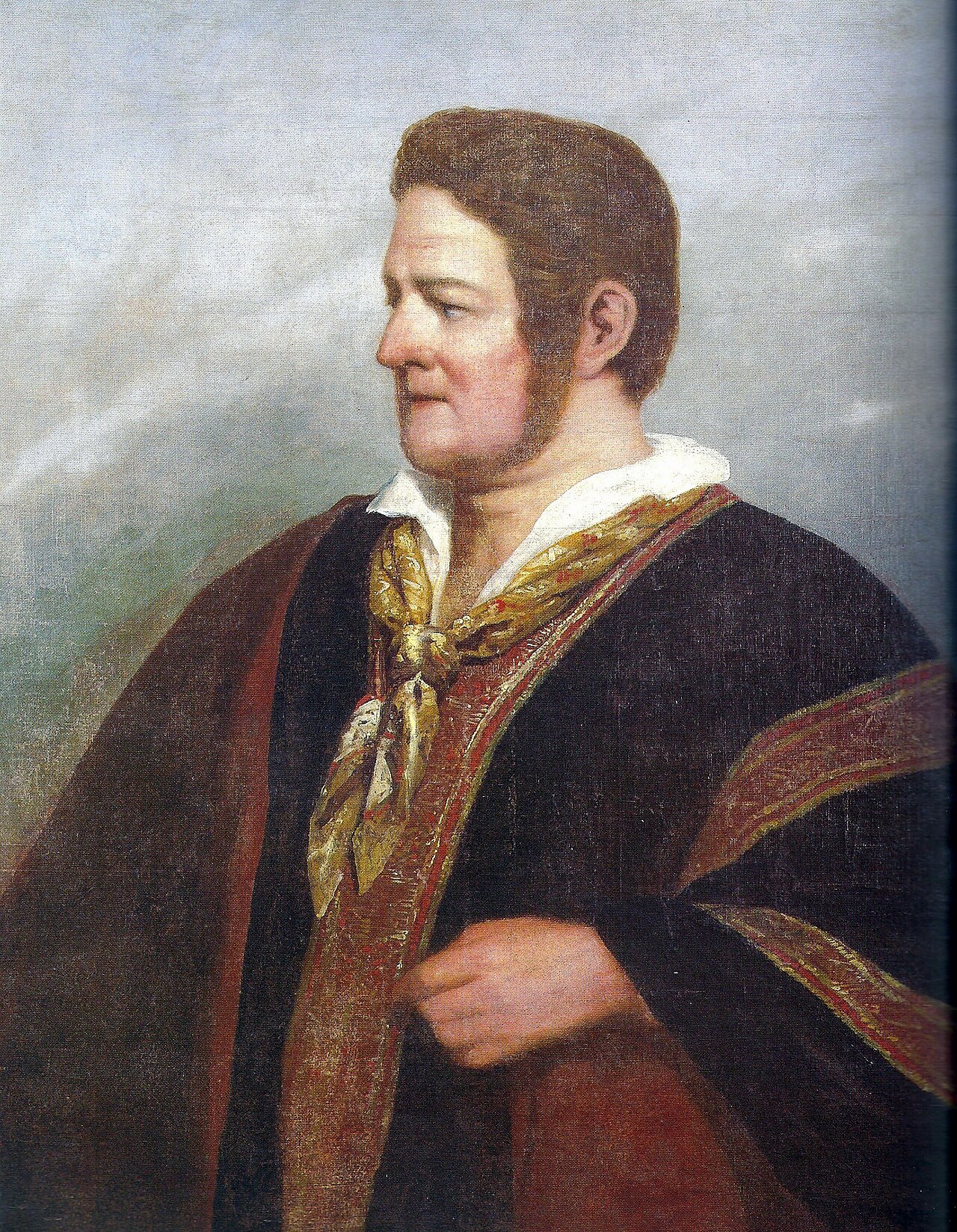
After independence from Spain in 1816, the United Provinces of the Rio de la Plata fell into a generation of civil war. At the heart of the conflict stood two visions of the nation. The Unitarians, based in Buenos Aires, wanted a centralized state modeled on European liberalism, with free trade and a strong capital. The Federalists, championed by the caudillos, the provincial strongmen who commanded the loyalty of the gaucho cavalry, defended provincial autonomy and traditional rural society. Between them, the provinces fought, united, and fell apart again, while Buenos Aires grew rich on the customs duties of the port.
Out of this chaos rose Juan Manuel de Rosas. A wealthy rancher from Buenos Aires province and a master of gaucho cavalry, Rosas became governor in 1829. He stepped down in 1832 to lead a military campaign against the Indigenous peoples of the southern frontier, then returned to power in 1835 with sweeping authority. For seventeen years he ruled Buenos Aires and dominated the loose Argentine Confederation, a league of provinces without a national constitution, which the Federal Pact of 1831 had created. The other provinces kept their own caudillos, but Rosas controlled foreign policy, war, and the all-important customs revenue.
Rosas governed through a mixture of popular support, patronage, and terror. He built a formidable following among the rural poor, Afro-Argentines, and the militia, while his supporters in the Mazorca, his enforcement organization, hunted down opponents, and public ritual demanded loyalty to the federalist cause, down to the obligatory red ribbon. Exiled Unitarians, including the writer Domingo Faustino Sarmiento, denounced him from Chile and Uruguay in works like Sarmiento's Facundo, which painted the struggle as one between civilization and barbarism. Foreign powers intervened too: France blockaded Buenos Aires from 1838 to 1840, and an Anglo-French fleet tried to force open the rivers between 1845 and 1850, but Rosas outlasted them both.
The end came from within the federalist camp. Justo Jose de Urquiza, the caudillo of Entre Rios, broke with Rosas over control of trade and power, allied with Brazil and Uruguay, and defeated him at the battle of Caseros in February 1852. Rosas fled to exile in England, where he lived quietly as a farmer until his death. The victors gave Argentina a constitution in 1853 and, after a final decade of division, a unified national state in 1862. Rosas remained the most controversial figure in Argentine history: tyrant to his enemies, defender of national sovereignty against foreign intervention to his admirers, and inescapable to anyone explaining how the nation was made.
 Encyclopedia.com - Rosas, Juan Manuel de
 Wikipedia - Juan Manuel de Rosas
 Britannica - Juan Manuel de Rosas