 Go Back

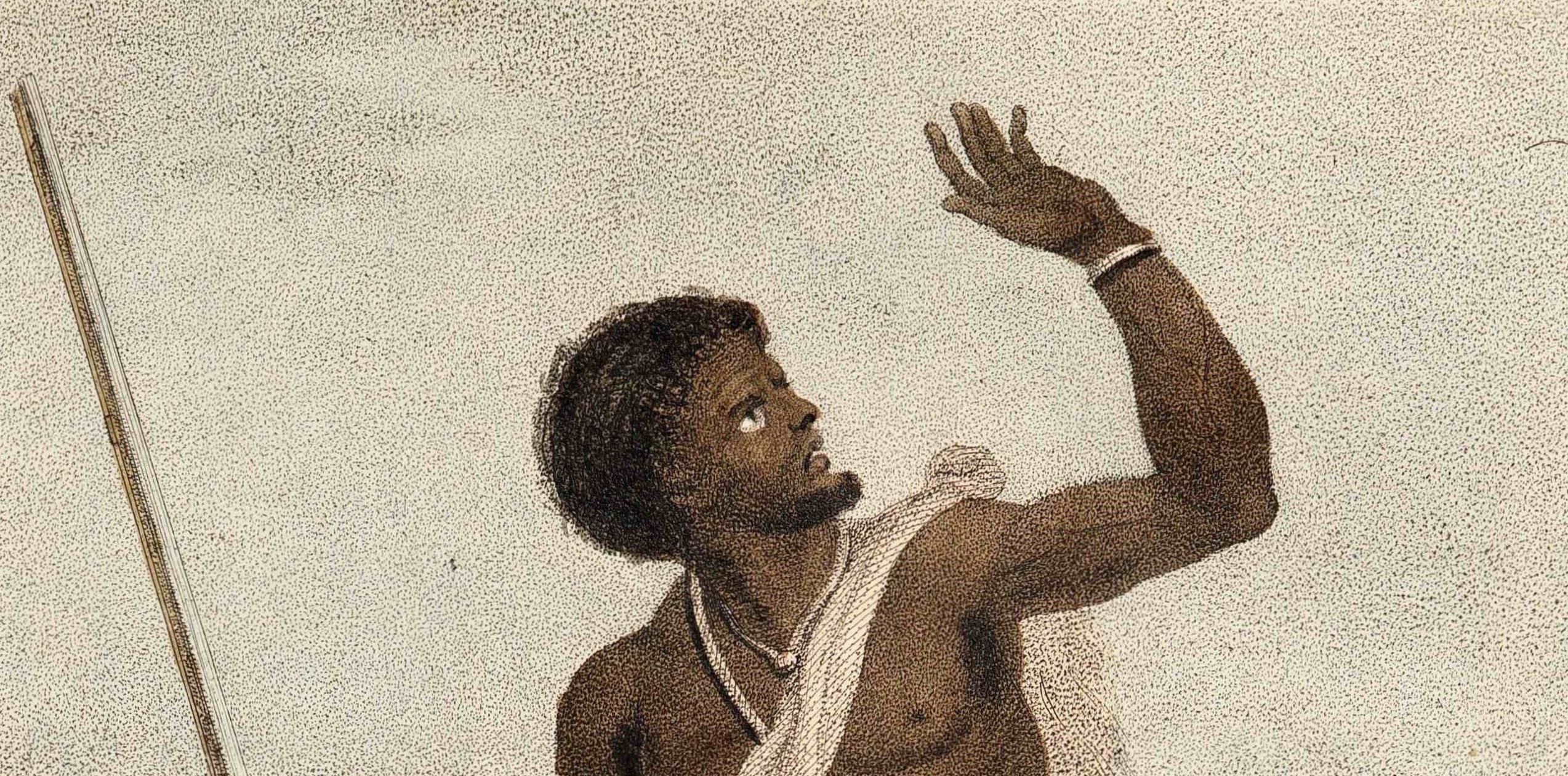
Suriname became a Dutch colony in 1667, when Dutch forces seized it from the English and the Treaty of Breda confirmed the conquest, just as it left the Dutch former colony of New Netherland in English hands. On the coastal plain the Dutch built one of the harshest plantation regimes in the Americas. Sugar, and later coffee and cacao, were produced by enslaved Africans who outnumbered Europeans ten to one, and the colony was notorious for its brutality. Paramaribo grew into a cosmopolitan port, home also to one of the oldest Jewish communities in the Americas, whose plantations at Jodensavanne lined the Suriname River.
From the beginning, the enslaved resisted by running away. Escapees fled into the vast rainforest of the interior, where they founded independent communities that the Dutch could not destroy. Over generations these Maroons organized themselves into distinct nations, among them the Saramaka, the Ndyuka, and the Matawai, each with its own territory along the great rivers. They fought the colony's armies to a standstill, and in the 1760s the colonial authorities were forced to sign peace treaties recognizing their freedom: with the Ndyuka in 1760, the Saramaka in 1762, and the Matawai in 1767. In return, the Maroon nations promised to return future runaways, a clause that sat uneasily beside their own origins.
The Maroon nations developed rich cultures of their own. Governed by paramount chiefs called granman, with councils, shrines, and their own languages blending African and European elements, they lived by farming, hunting, fishing, and trade with the coast. Their woodcarving, textiles, and oral traditions preserved African memories in new American forms, and their knowledge of the forest made them nearly unconquerable. Later groups, like the Aluku, won recognition after further wars, while Moravian missionaries gradually opened contact between the interior peoples and the colonial world.
The coastal plantation system, meanwhile, went into decline. The Dutch abolished slavery in Suriname in 1863, but forced the freed people into ten more years of state-supervised labor, until 1873. To replace them the colony imported indentured workers from British India after 1873 and from Java after 1890, creating the remarkably mixed society of modern Suriname. In the early twentieth century the economy found a new base when bauxite mining began during the First World War. By 1924 the old sugar order was a memory, but the Maroon nations of the interior, treaty-bound and self-governing, remained the proudest survivors of the plantation age.
 Wikipedia - Saramaka
 Cambridge University Press - IRSH: Okanisi, a Surinamese Maroon Community
 Duke University Press - Ethnohistory - via DOI