 Go Back

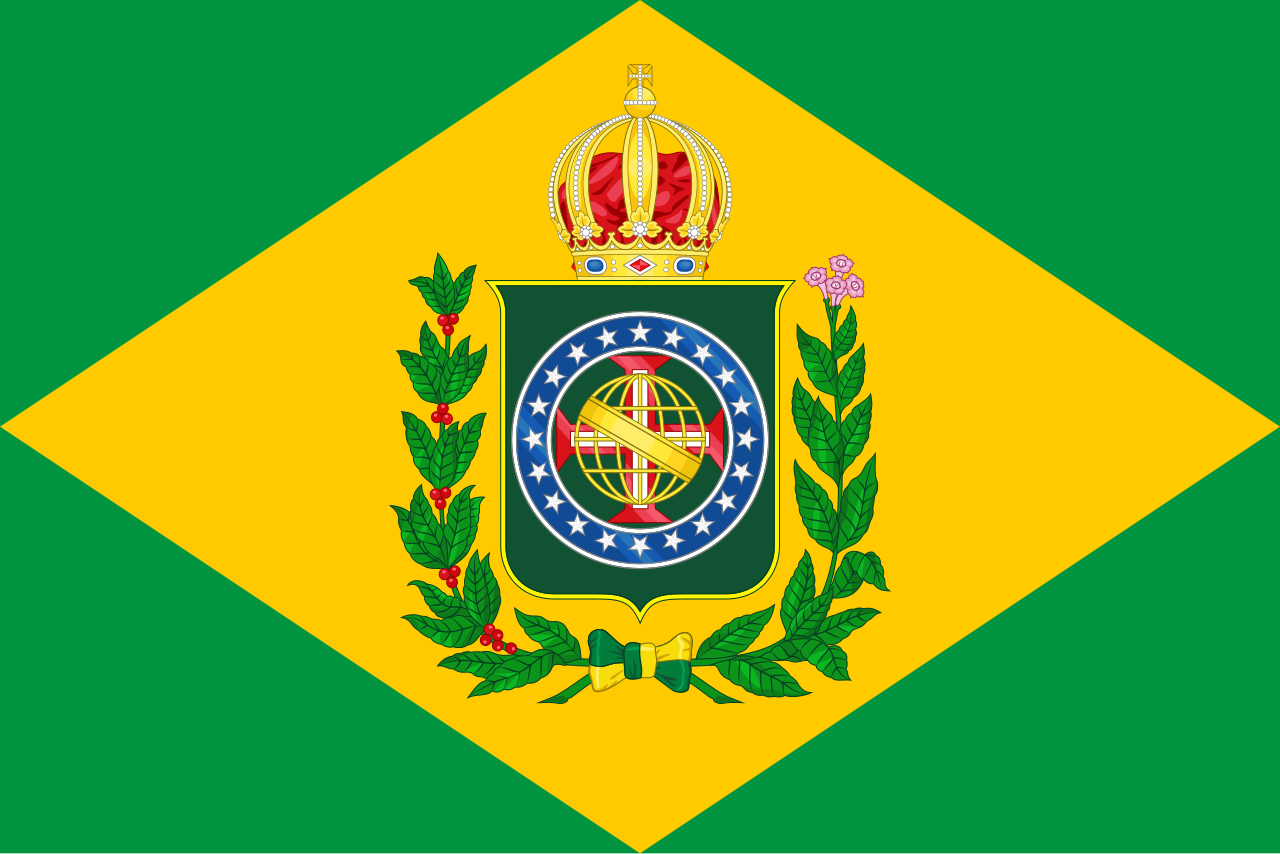
The Empire of Brazil. The Empire of Brazil was a 19th-century state that encompassed modern-day Brazil, existing from 1822 to 1889 under the rule of Emperors Pedro I and Pedro II. Uniquely in Latin America, Brazil transitioned to independence without a prolonged, devastating war, as the Portuguese prince regent declared independence from Portugal and established a constitutional monarchy. This empire matters because it maintained territorial integrity and political stability across a massive landmass while neighboring Spanish-American republics fragmented.
The empire operated a plantation economy heavily reliant on enslaved African labor to produce major cash crops like sugar and coffee. Emperor Pedro II oversaw decades of industrial modernization, cultural development, and relative political calm. However, the gradual abolition of slavery, culminating in the Golden Law of 1888, deeply alienated wealthy conservative coffee planters. Deprived of elite landlord support, the monarchy was overthrown in an unbloody military coup in 1889, establishing the First Brazilian Republic.