 Go Back

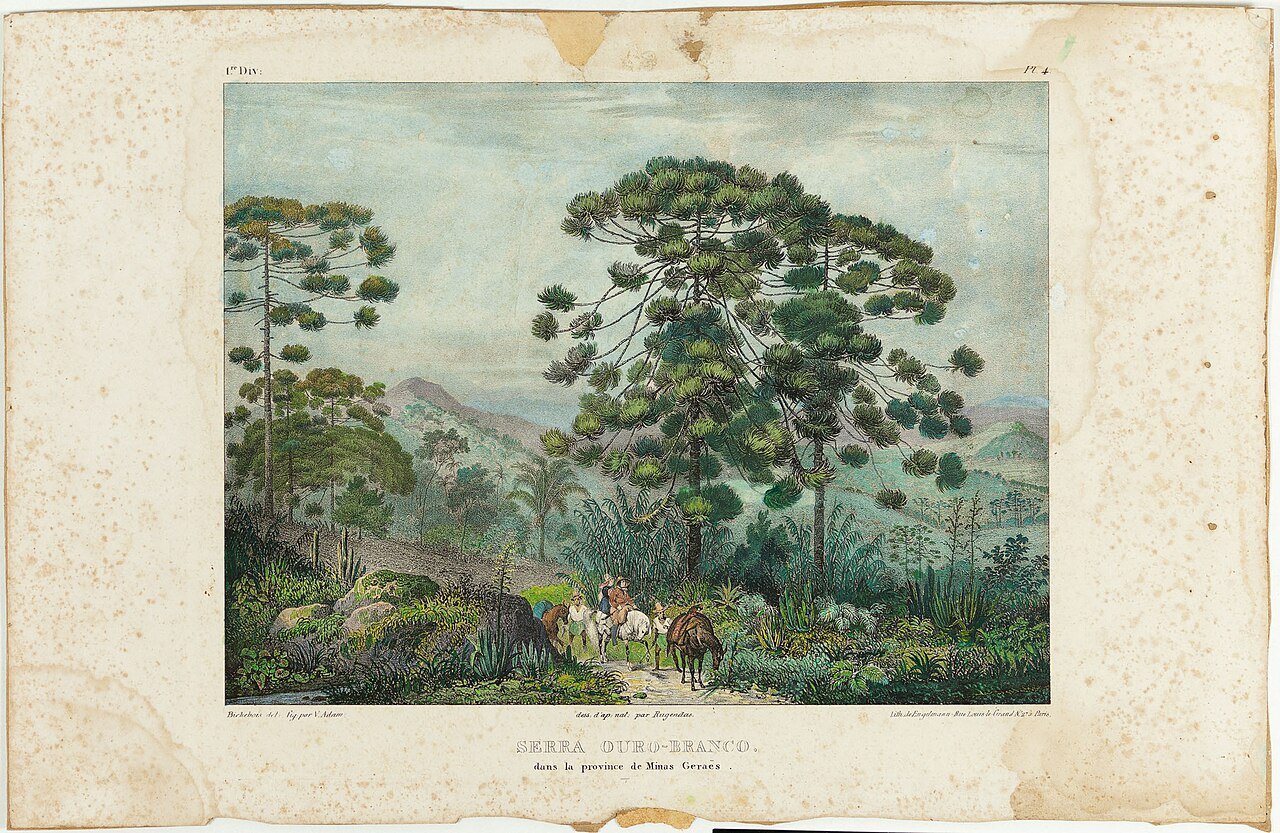
The Gold Rush of Minas Gerais. In the 1690s the bandeirantes found gold in the streams of the rugged interior north of Rio de Janeiro, and within a decade the greatest gold rush of the eighteenth-century world was underway. Tens of thousands poured into Minas Gerais - from the sugar coast of Brazil, from Portugal in such numbers that the king tried to close the ports, and with them hundreds of thousands of enslaved Africans, torn from the plantations of the northeast and the barracoons of West Africa to dig the richest goldfield yet found. The deposits gave up more gold in a century than the whole Spanish empire had produced in two.
The rush moved Brazil's center of gravity. The coast's sugar economy faded before the mines; the capital itself was moved from Salvador to Rio de Janeiro in 1763 to be nearer the gold road. In the mining mountains rose instant cities of extraordinary wealth - Vila Rica, Rich Town, the modern Ouro Preto, richest of all - where the gold bought baroque splendor: churches plated inside with gold leaf, and the sculptures of Aleijadinho, the Little Cripple, the mulatto master-carver whose prophets at Congonhas are the supreme works of colonial art in the Americas.
The crown's fifth - the royal quinto on every ounce - filled the treasury of Lisbon and, through the Methuen trade, paid Britain for the manufactures Portugal could not make; historians have traced Brazilian gold into the sinews of Britain's industrial revolution. The miners' own society was violent, feverish and restless, and its resentments at the crown's demands bred the first conspiracy for Brazilian independence: the Inconfidencia Mineira of 1789, betrayed before it began, whose leader Tiradentes - Tooth-Puller - was hanged and quartered, and became the martyr of the nation to come.
By the 1760s the shallow gold was failing, and Minas turned to cattle and coffee; the diamonds of Tijuco lasted longer under the crown's closed monopoly. But the gold century had made Brazil: it had peopled the interior, given it cities and an art, and left a restless, self-aware mineiro society that would lead Brazil to independence. Ouro Preto, preserved whole, is a World Heritage Site.
 Britannica: Minas Gerais
 UNESCO: Historic Town of Ouro Preto
Britannica: Tiradentes