 Go Back

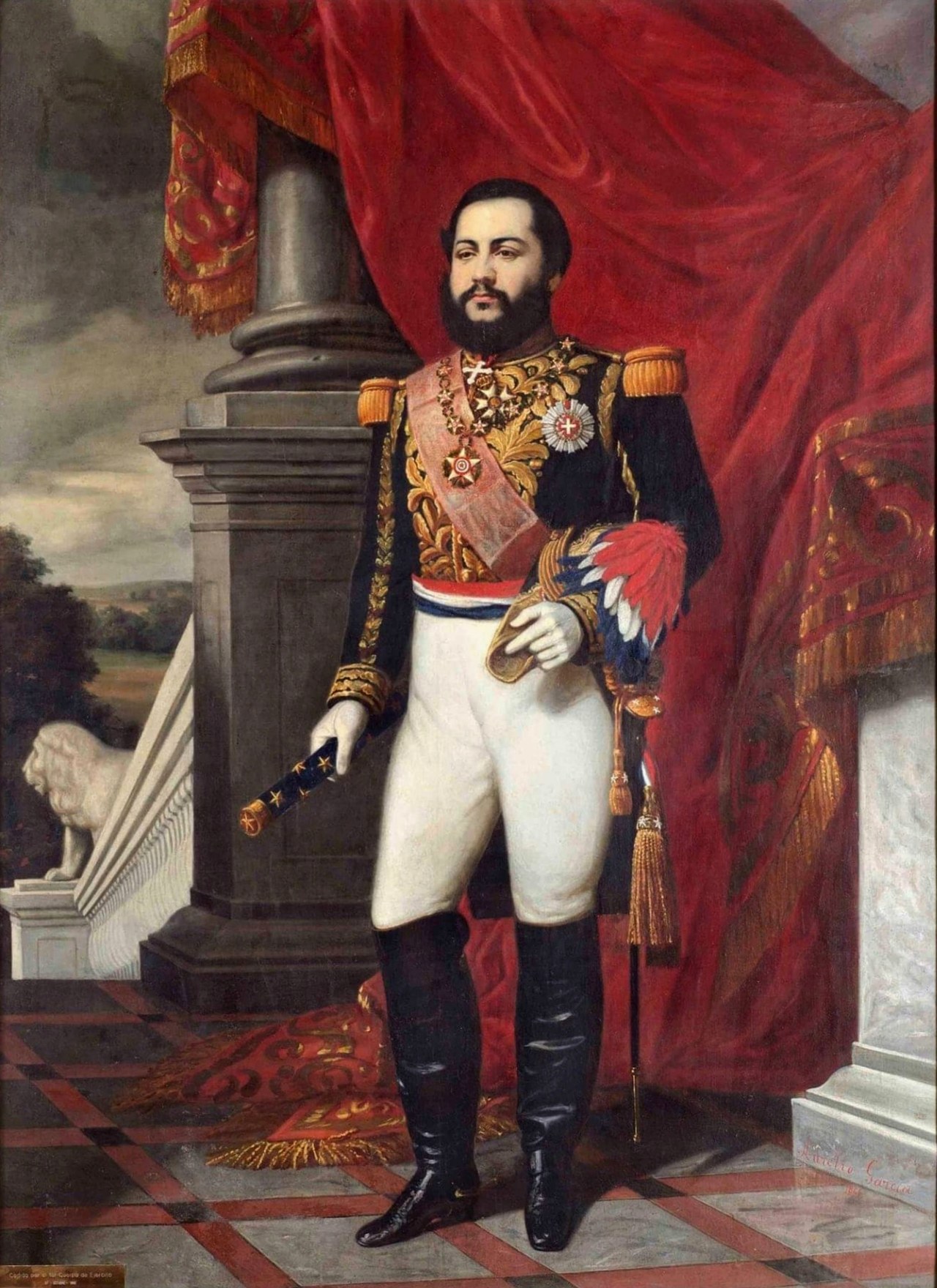
The Paraguayan War, also called the War of the Triple Alliance, was the deadliest conflict in Latin American history, a catastrophe that destroyed much of a nation. It pitted Paraguay, under the dictator Francisco Solano López, against the Triple Alliance of Argentina, Brazil, and Uruguay. The war's roots lay in the tangled politics of the Río de la Plata: when Brazil intervened in Uruguay's civil war in 1864 to install a friendly Colorado government, Solano López saw the regional balance collapsing and demanded Brazil withdraw. When it refused, Paraguay seized a Brazilian steamer and invaded the province of Mato Grosso.
To strike at Uruguay and Argentina, López requested passage for his army across Argentina's Corrientes province. When President Bartolomé Mitre refused, Paraguay invaded anyway in 1865, turning Argentina into an enemy. In May 1865 Argentina, Brazil, and the new Colorado government of Uruguay signed the Treaty of the Triple Alliance, pledging to fight until López was overthrown. Paraguay, though landlocked and outnumbered perhaps ten to one, had one of the strongest armies in South America, hardened by decades of military buildup under López and his father.
The war began with Paraguayan offensives, but the Alliance soon gained the upper hand. The Brazilian navy destroyed the Paraguayan fleet at the Battle of Riachuelo in June 1865, seizing control of the rivers. Allied armies invaded Paraguay, and in May 1866 at Tuyutí they shattered the main Paraguayan army in the largest battle in South American history. The long siege of the fortress of Humaitá consumed two more years before the allies broke through in 1868 and took the capital, Asunción. López retreated into the northern hills and fought a brutal guerrilla war, drafting children and old men, until Brazilian cavalry cornered and killed him at Cerro Corá on March 1, 1870.
The cost was staggering. Paraguay lost perhaps half its population, some estimates run even higher, including the great majority of its adult men, and saw its industry dismantled and its territory stripped by Argentina and Brazil. The war left wounds that lasted generations, yet it also forged national identities: Paraguay remembers López ambivalently as both national martyr and ruinous gambler, while Brazil's victory discredited its monarchy and strengthened its army. The war's trauma fed directly into the Chaco War between Paraguay and Bolivia two generations later.
 Britannica: War of the Triple Alliance
 Wikipedia: Paraguayan War
 Encyclopedia.com: War of the Triple Alliance