 Go Back

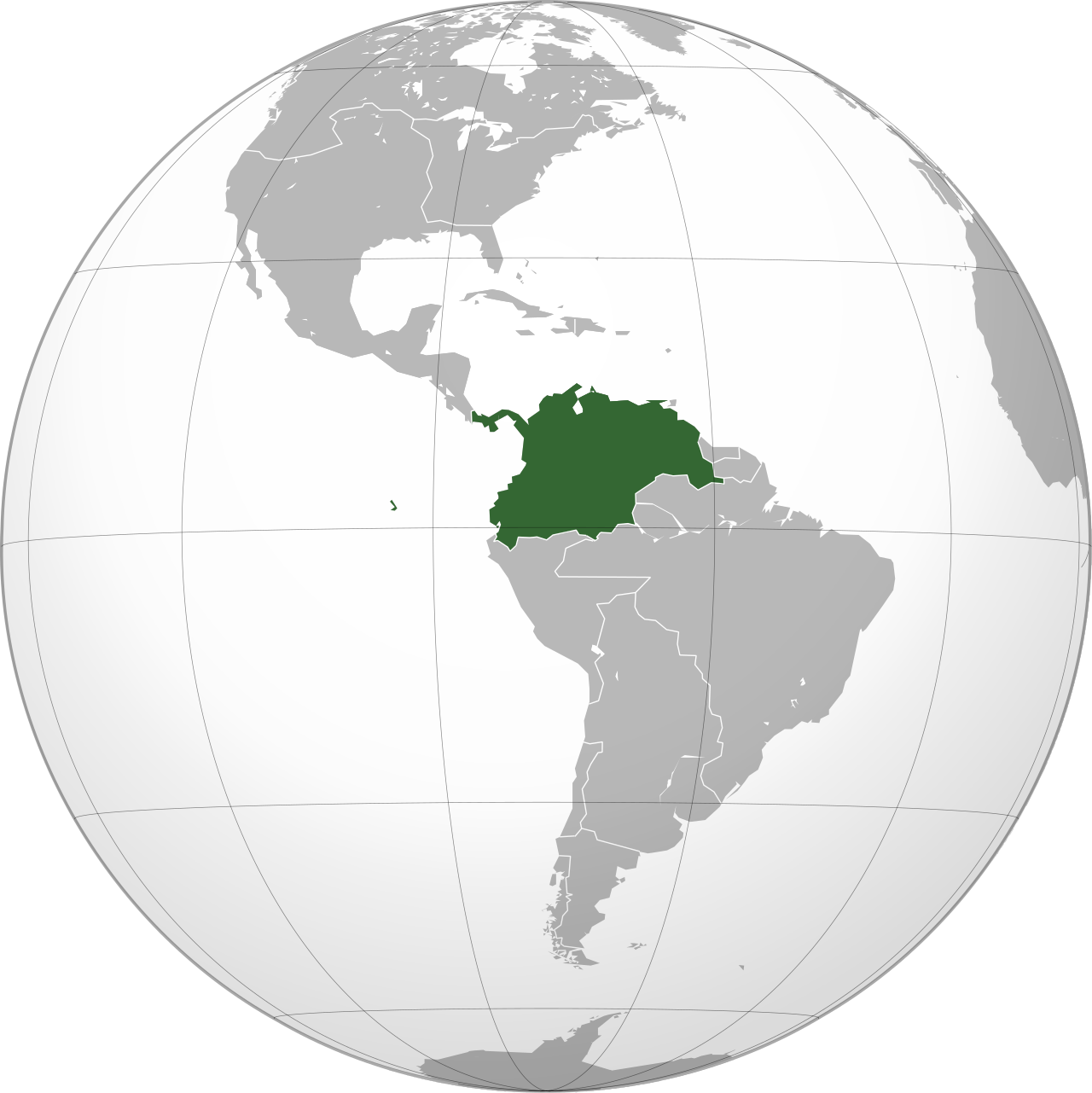
The Viceroyalty of New Granada. The Viceroyalty of New Granada was one of the principal colonial administrative changes effected by the Bourbon monarchs of Spain - a viceroyalty first established in 1717, suppressed in 1723, and reestablished in 1739, taking in present-day Colombia, Ecuador, Panama, and Venezuela, with its capital at Santa Fe de Bogota. Its creation reflected the growing population and increasing commerce of northern South America, as the Bourbon crown reshaped an empire that had long been ruled from Lima. This viceroyalty matters because it drew the political map from which the modern nations of the north of the continent would emerge.
New Granada sat within a hierarchical system of colonial government, with the Crown and the Council of the Indies at the top and, moving downward, the viceroy, the audiencias, mayors, and local councils - a system designed to extract wealth while keeping officials in check. The Council of the Indies made colonial and ecclesiastical appointments, fixed the geographical scope of expeditions, and heard appeal cases from the colonial audiencias. The viceroy had overall responsibility for his jurisdiction and resided in the viceregal capital, but could not pass local legislation - though he could serve as president of the audiencia in his capital - that being the responsibility of the individual audiencias, courts with jurisdiction over a particular city and its surrounding area. The audiencia is thus the prime example of Spain's general approach to colonial government - great faith put in legal codes, and officers rotated to ensure they could not be easily corrupted. It was in this ordered world of viceroys and judges that the independence generation of Bolivar and Santander would grow up.
 Britannica: Viceroyalty of New Granada
 World History Encyclopedia: Colonial Government in the Spanish Empire
 Humanities LibreTexts: 3.2: Viceroyalty of New Granada
 Smarthistory: Viceroyalty of New Granada