 Go Back

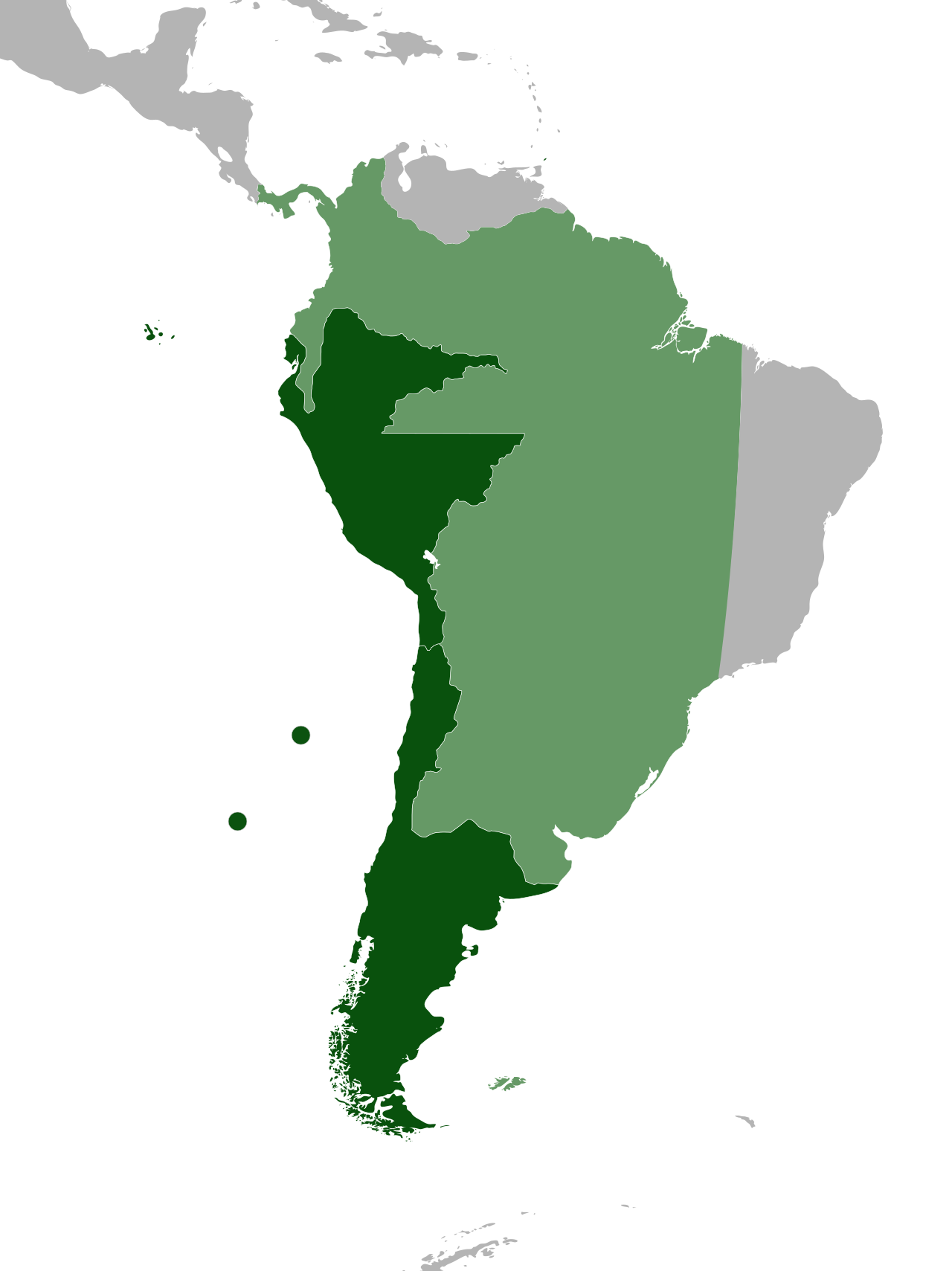
The Viceroyalty of Peru. The Viceroyalty of Peru was established in 1542 as Spain's second viceroyalty in the Americas, and at its height it encompassed part or all of modern-day Venezuela, Panama, Colombia, Ecuador, Peru, Bolivia, Chile, Paraguay, Uruguay, and Argentina - nearly the whole of Spanish South America. Its capital was assigned to Lima, the coastal city founded by Pizarro in 1535. The viceroyalty was born from conquest: it was in Cajamarca that Atahualpa had agreed to fill a room - seventeen feet wide and eight feet high - with gold and silver as ransom for his freedom, a moment captured in the famous colonial image of the Inka asked what the Spaniard eats, and answering: gold, and Spanish colonial rule in the Andes was only consolidated with the execution of Tupac Amaru, the last ruler of the Neo-Inka state, a semi-autonomous faction that held out after the empire's fall. This viceroyalty matters because for two and a half centuries it was the administrative heart of Spain's South American empire.
Peru was more than a machinery of extraction: a vibrant artistic culture emerged throughout the viceroyalty's major cities, each a hotbed of artistic activity - Lima, the old Inca capital of Cuzco, and Arequipa in present-day Peru, and Quito in present-day Ecuador - where indigenous, European, and African traditions met in painting, sculpture, and architecture. From its Andean silver to its viceregal court, Peru set the pattern of Spanish rule on the continent, until the Bourbon reforms of the 18th century carved New Granada and the Rio de la Plata from its flanks and the wars of independence brought the viceregal age to an end.
 Britannica: Viceroyalty of Peru
 World History Encyclopedia: Colonial Government in the Spanish Empire
 Humanities LibreTexts: 3.1: Viceroyalty of Peru
 Smarthistory: The Viceroyalty of Peru, an introduction