 Go Back
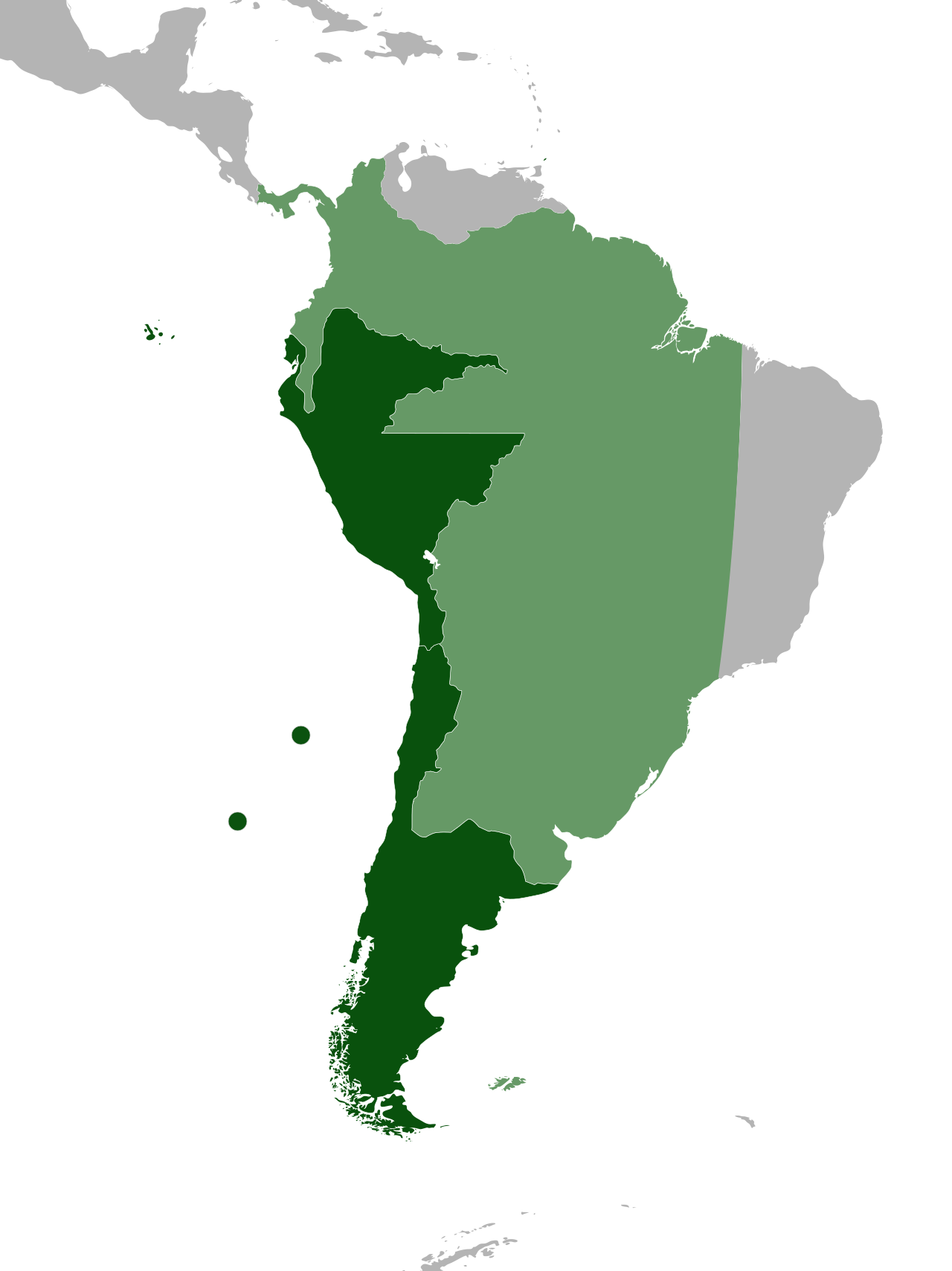
The Viceroyalty of Peru. The Viceroyalty of Peru was a major Spanish colonial administrative unit established in 1542, initially encompassing almost all of Spanish-controlled South America. Centered around its wealthy capital at Lima, the "City of the Kings," this administration matters because it served as the political and economic heart of Spain's South American empire for nearly three centuries, driven by the colossal silver production of the Potosí mines.
The colonial economy relied heavily on the forced labor of indigenous populations through the adapted mita system, resulting in devastating human loss and repeated indigenous rebellions, most notably led by Túpac Amaru II in 1780. To improve administrative efficiency, the Spanish Crown later split off the Viceroyalties of New Granada and Río de la Plata in the 18th century. Lima remained a conservative royalist stronghold until liberating armies led by José de San Martín and Simón Bolívar finally secured independence in the 1820s.