 Go Back

The War of the Pacific reshaped the map of South America's west coast, costing Bolivia its access to the sea and leaving bitterness that endures to this day. The conflict grew out of the nitrate boom in the Atacama Desert, the driest place on Earth, where vast deposits of sodium nitrate, essential for fertilizer and explosives, had become enormously valuable. The richest deposits lay in territory belonging to Bolivia and Peru, but the mining companies working them were largely Chilean and British, and a tangle of tax disputes and border treaties set the stage for war.
The spark came in 1878 when Bolivia imposed a new tax on the Chilean-owned nitrate company at Antofagasta, violating an 1874 treaty. When the company refused to pay, Bolivia seized its assets, and in February 1879 Chilean troops occupied the port of Antofagasta. Bolivia declared war, and Peru, bound by a secret defensive alliance with Bolivia since 1873, was drawn in. Chile thus faced two allies, but it held the decisive advantage: naval power. After sinking the Peruvian warship Huáscar at the Battle of Angamos in October 1879, Chile controlled the sea and could move armies along the coast at will.
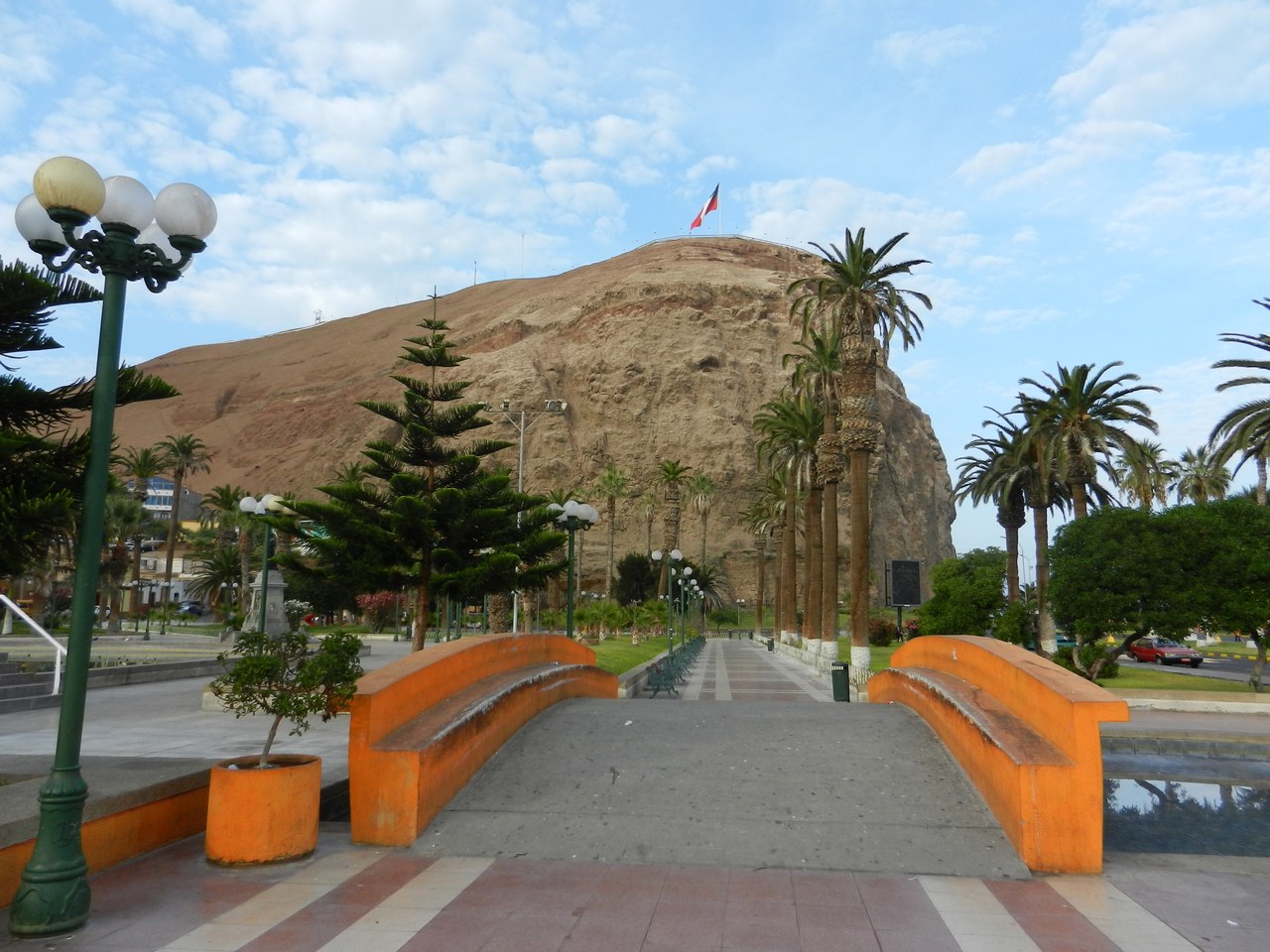
Chilean forces invaded Peru's Tarapacá province, winning hard-fought battles at San Francisco and Tarapacá, and then stormed the fortress of Arica in June 1880 after the bloody Battle of Tacna destroyed the allied army. In January 1881 Chilean troops occupied Lima itself, looting the Peruvian capital, including its national library. Peru's resistance continued in the Andean highlands under General Andrés Avelino Cáceres until 1883, when the Treaty of Ancón ended the war: Peru ceded Tarapacá outright, and Chile occupied Tacna and Arica pending a plebiscite that was long delayed and never fairly resolved the dispute.
Bolivia made peace with an armistice in 1884, confirmed by treaty in 1904, losing its entire coastline and becoming landlocked. The consequences still reverberate: Bolivia celebrates an annual Day of the Sea and took its claim to the International Court of Justice in 2013, losing in 2018 but keeping the cause alive. Chile gained the nitrate wealth that financed its golden age, while Peru suffered economic ruin and political collapse. The war redrew borders that remain fixed, but the grievances it created remain part of all three nations' politics.
 Wikipedia: War of the Pacific
 Origins (Ohio State University): The War of the Pacific and the Fate of South America
 Memoria Chilena (Biblioteca Nacional de Chile): Las operaciones militares de la Guerra del Pacífico