 Go Back

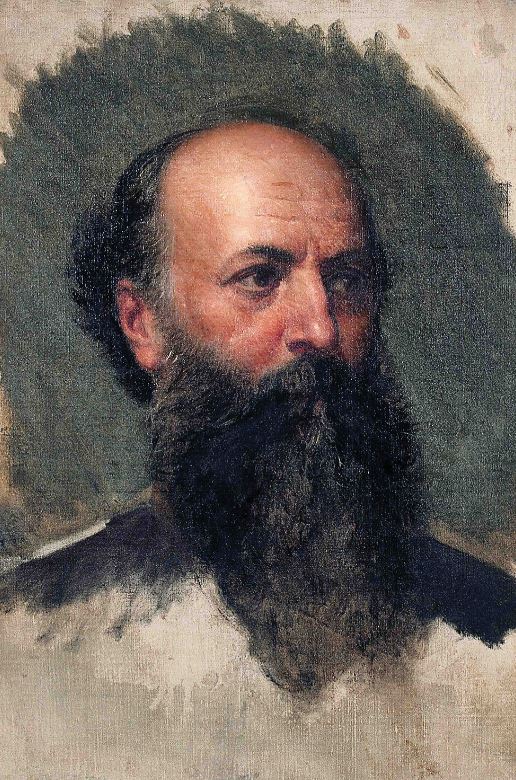
After independence, Venezuela spent a century ruled by caudillos, regional strongmen who rose by military force and governed through patronage. The most successful of the nineteenth century was Antonio Guzman Blanco, the Illustrious American, who dominated the country between 1870 and 1888. Guzman modernized Caracas with boulevards and monuments, built schools and telegraphs, and waged a fierce campaign against the Catholic Church, expelling orders and seizing its property. But his rule was personal and corrupt, and when he fell, the country dissolved again into rivalries among regional armies and ambitious generals.
In 1899 a new strongman marched from the Andes: Cipriano Castro, who seized Caracas at the head of a private army. Castro's defiance of Venezuela's foreign creditors provoked a major international crisis. In 1902 Britain, Germany, and Italy blockaded and bombarded Venezuelan ports to force payment of debts, seizing or sinking much of the small navy. The crisis, resolved by arbitration in 1903, alarmed all of Latin America and prompted the Argentine jurist Luis Drago to declare that no power had the right to collect debts by force. The United States also asserted its own right to intervene in Caribbean states, a very different response to the debt question.
Castro's own vice president, Juan Vicente Gomez, seized power in 1908 while Castro was abroad and remained the dominant ruler through 1924. Gomez, an Andean cattleman known as the Benemerito, ran the country like a private estate: he reduced public debt, crushed political rivals through a ruthless network of spies and prisons, and amassed one of the greatest personal fortunes in South America. Coffee and cacao exports funded the state, and the army and oil concessions went to his family and friends. Opposition existed mainly in exile, where critics plotted and wrote against the tyranny.
Under Gomez, Venezuela's fate changed beneath the ground. Foreign companies, including Shell and subsidiaries of Standard Oil, won concessions and began drilling around Lake Maracaibo. A major commercial discovery came at Zumaque in 1914, and in December 1922 the Barroso Number Two well at Cabimas blew in as a spectacular gusher. The great oil boom had begun. By 1924 expanding oil production and foreign concessions were beginning to change the state's sources of revenue and its relationship with international companies. Coffee and cacao still mattered, but the political importance of petroleum was already clear.
 Wikipedia - Juan Vicente Gomez
 Cambridge University Press - Juan Vicente Gomez and the Oil Companies in Venezuela, 1908-1935 (B.S. McBeth)
 Britannica - Juan Vicente Gomez
University of Calgary Press - Shell in Venezuela, 1913-1924